After the flood
Xinaliq is an ancient village in the Quba region in Azerbaijan. The people here, being isolated by mountains, have developed a unique culture and routine of living. The area abounds with the richest traditions linked to rain and land cultivation coupled a special attitude to domestic animals, weddings and funerals, as well as to celestial bodies.
The residents of the village of Xinaliq consider themselves as a separate ethnic group. According to some ethnologists the people of Xinaliq are related to the ancient tribe of Uti, who lives in the village of Nij in Gabala and belong to the Shahdag ethnic group. The people of Xinaliq call their village "Ketsh", themselves - "Kyat" or "Kettid", and their language - "Ketsh mitsl".
The title refers to the legend that names the Xinaliq people as living descendants of "biblical Noah".
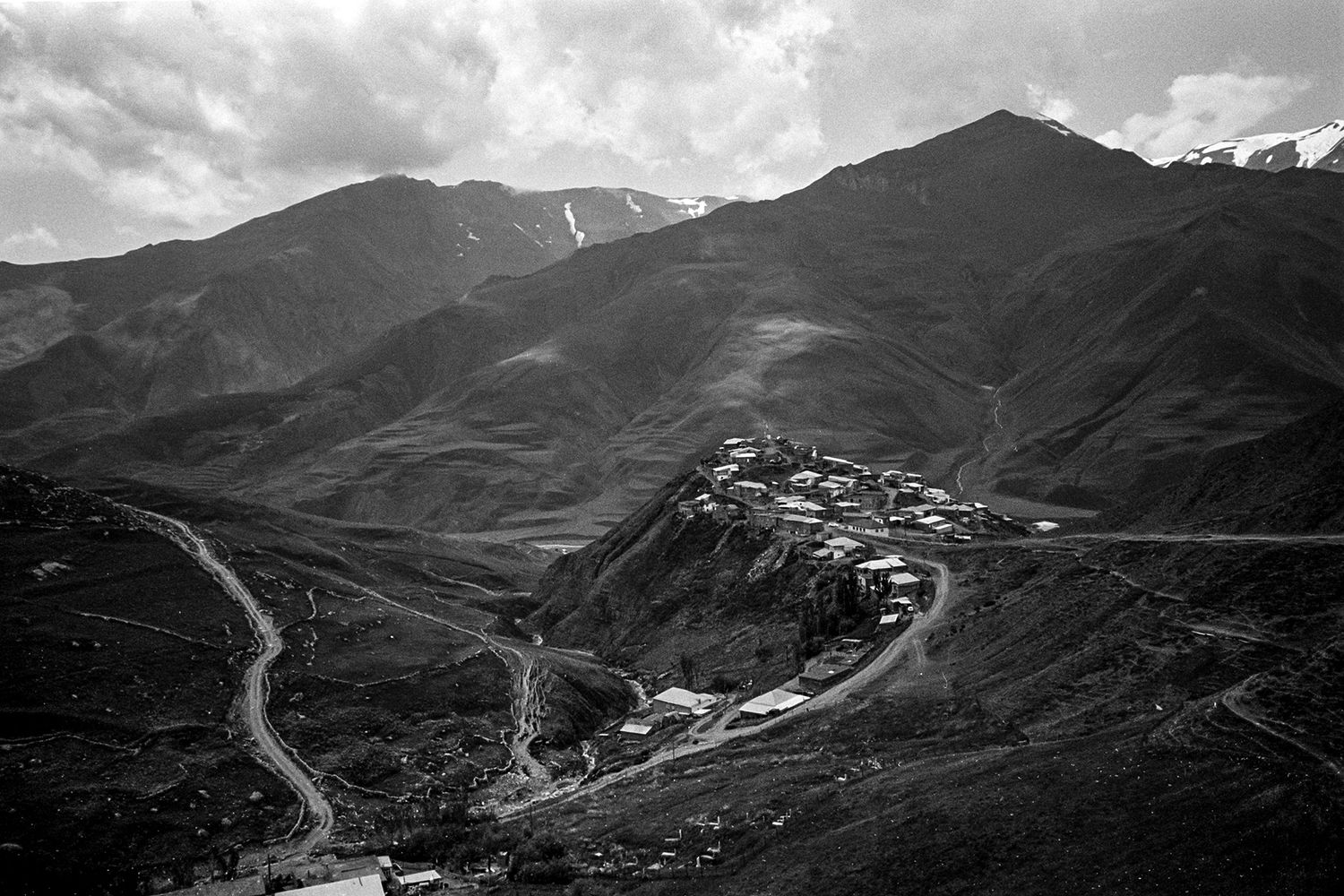
Xinaliq sits on a mountaintop 2,350 meters above sea level in the Greater Caucasus Mountains. It's surrounded by some of the highest peaks in Azerbaijan, including Bazarduzu (4,466m), Shahdag (4,243m), and Gizilgaya (3,723m).
Xinaliq stands as one of the oldest continuously inhabited areas in the world, with a history spanning over 5,000 years. Despite the extreme environmental conditions, modern technology has already found its way, but the ethnical heritage, the cultural-, religious- and linguistic character remained untouched.
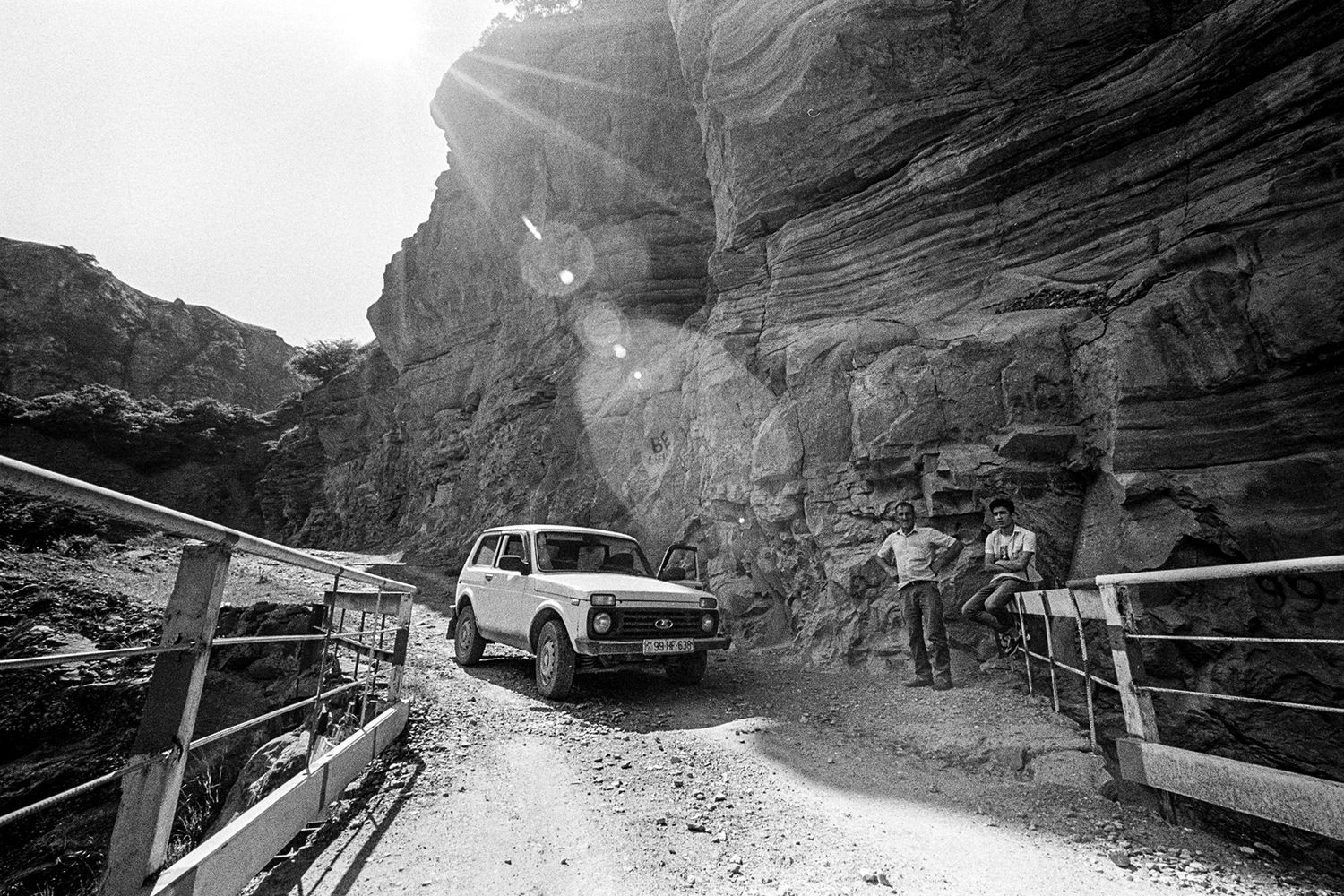
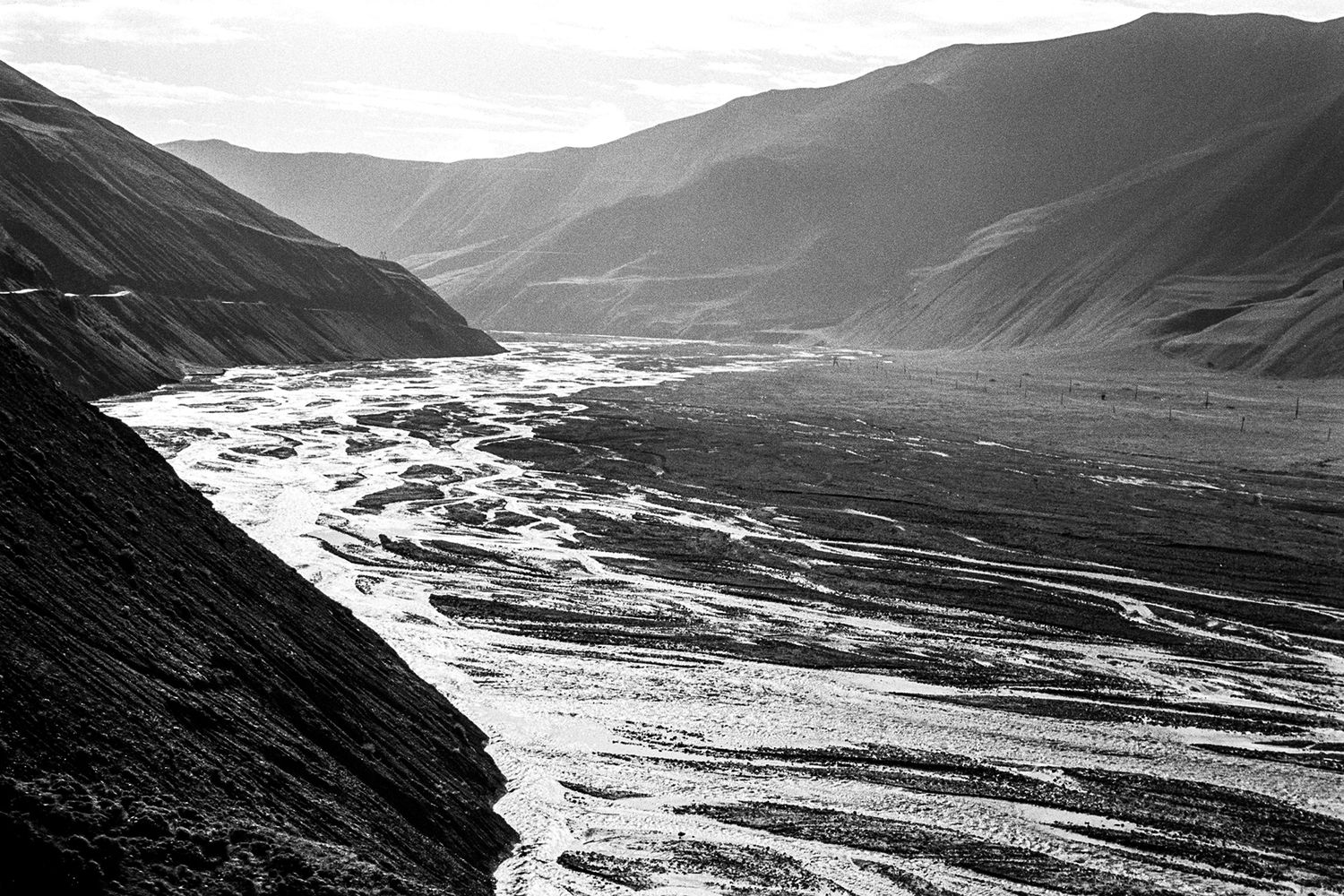
The only road near and far is heading east between mountains along the Gudiyalchay river.
Xinaliq was included on the World Monuments Fund's 2008 Watch List of the 100 Most Endangered Sites due to concern over building the road between the village and Quba. The listing is not intended to criticize potential tourism or business ventures in the village but it serves as a warning, emphasizing the importance of preserving the site's historical essence amidst any new developments. The Xinaliq language has been categorized as "severely endangered" by UNESCO's Atlas of the World's Languages in Danger.
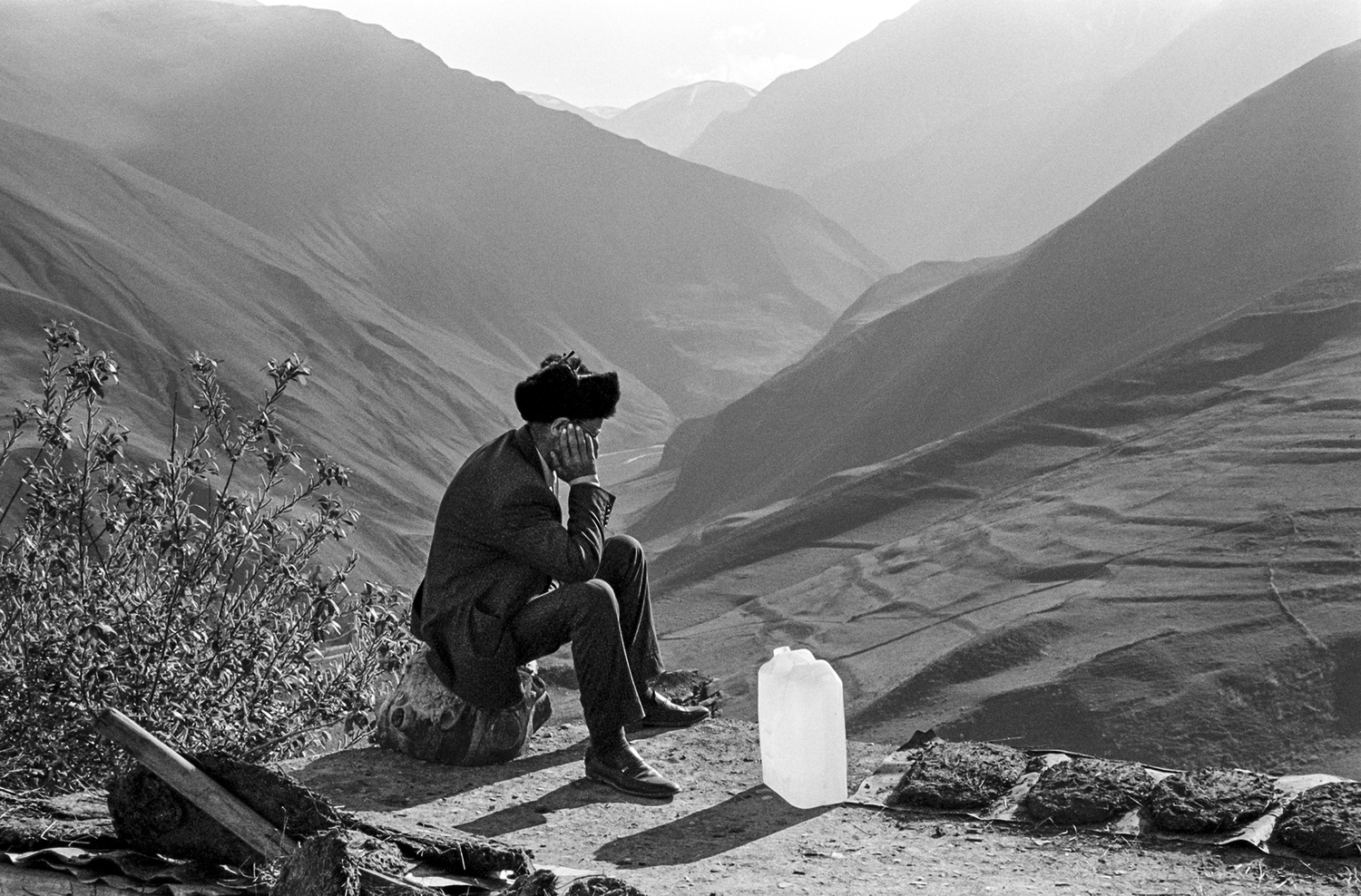
Manur bricks are drying in the sun. In the past, this bio-fuel was widely used across the country. In Xinaliq, even today it remained the major fuel resource and it's still used for wall construction.
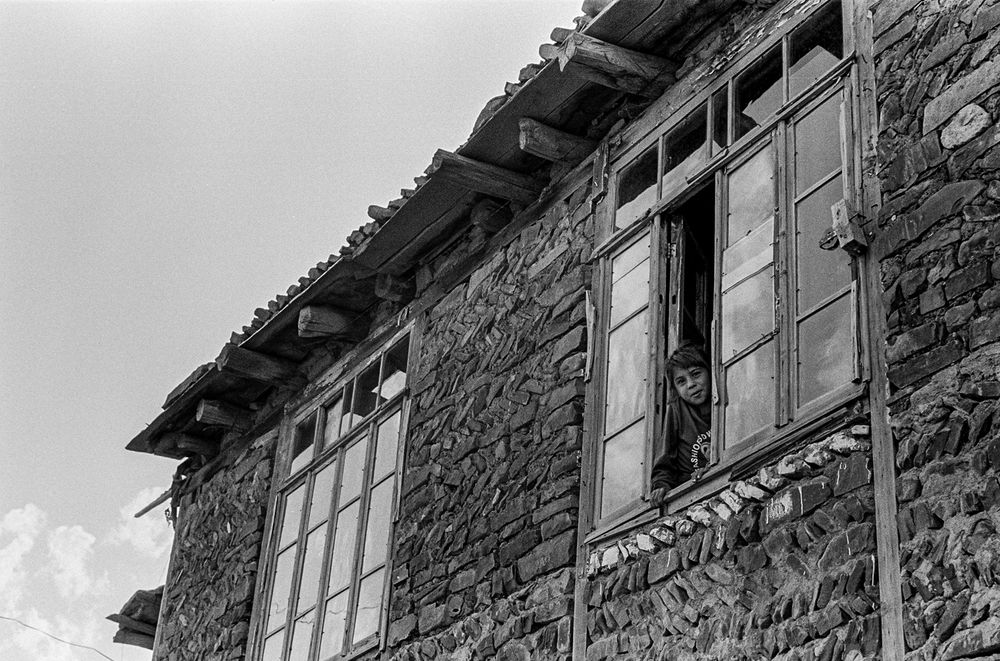
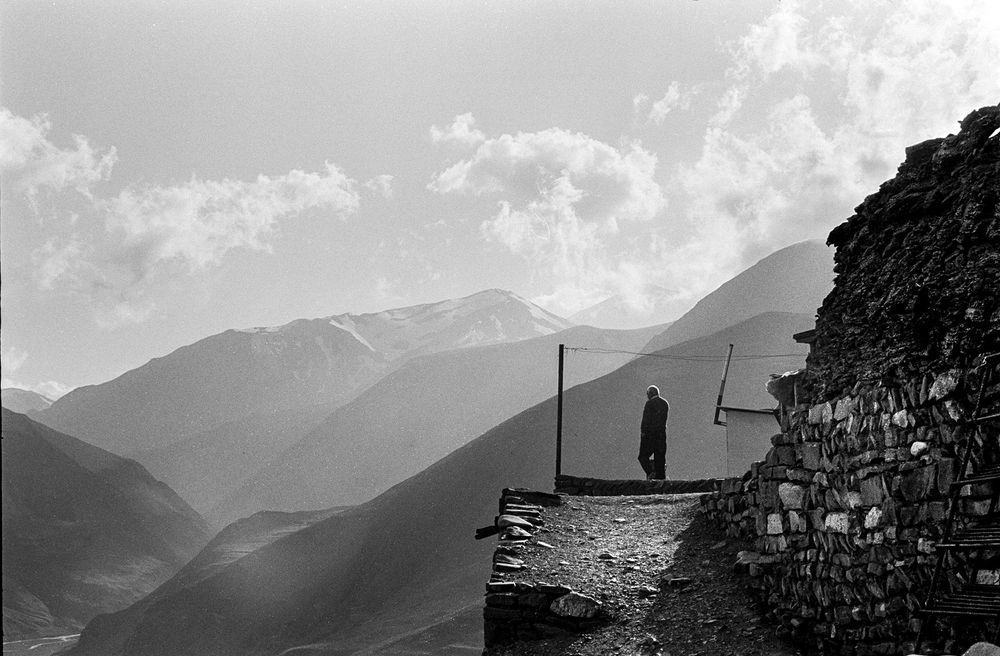
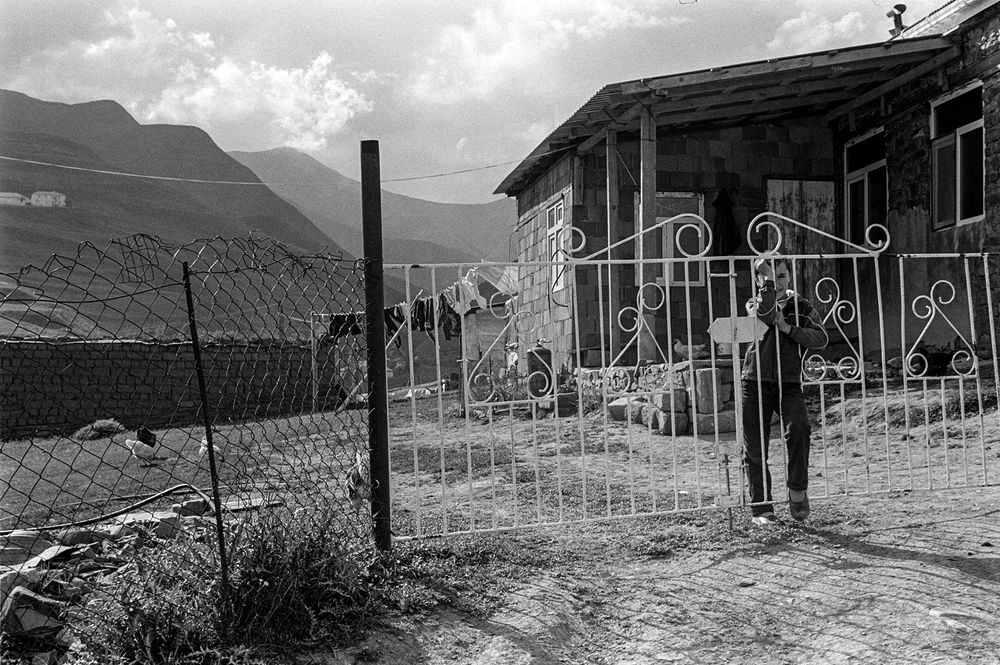
Many of the houses are ancient, built around 200-300 years ago. The walls are made of river stone and the roofs are flat, often serving as terraces and walkway for the houses above.
The architectural style of Xinaliq demands particular consideration. Due to the extremely steep slopes, houses are closely arranged, allowing the roof of one house to function as the terrace for another. The houses are heated using dung, called "tezek", which is created from compacted manure. The manur is piled up and mixed with hay before being pressed and dried on the sun.
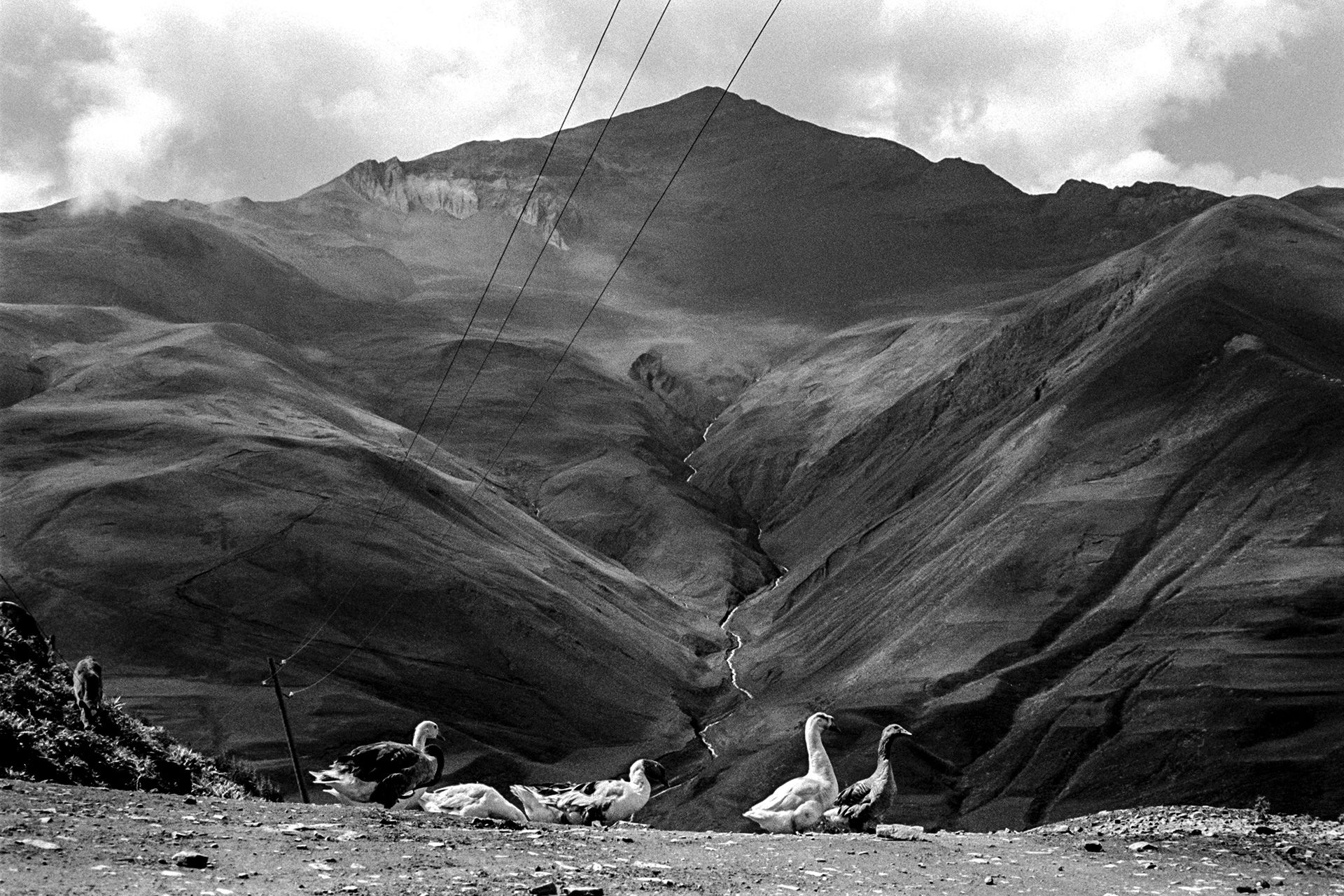
Electric wires break the view of the famous landscape, often associated with the village. In 2006, president Ilham Aliyev (son of Heydar Aliyev) announced plans for some modernization. After thousands of years of isolation, Xinaliq has been connected to the world by finishing the road between the village and Quba, the region's capital.
Many residents here rely, either directly or indirectly, on livestock for their livelihoods. While sheep breeding remains a primary occupation, Xinaliq is renowned for its unique white honey, with numerous beehives dotting the mountainside. Local claim that it is a remedy for seventy diseases.
The people of Xinaliq follow traditional patterns of seasonal translocation of their sheep, cattle and horses from winter fields to the high summer pastures.