Red albatross
Cuba was discovered by Christopher Columbus, the Italian explorer in 1492, during his first voyage to the Americas. He described the country's shore as "the most beautiful that eyes have ever seen". Although this status would make the country an economic powerhouse, in recent decades and even today Cubans have been subjected to extreme economic hardship, including serious food, medicine and fuel shortages, and increased blackouts.
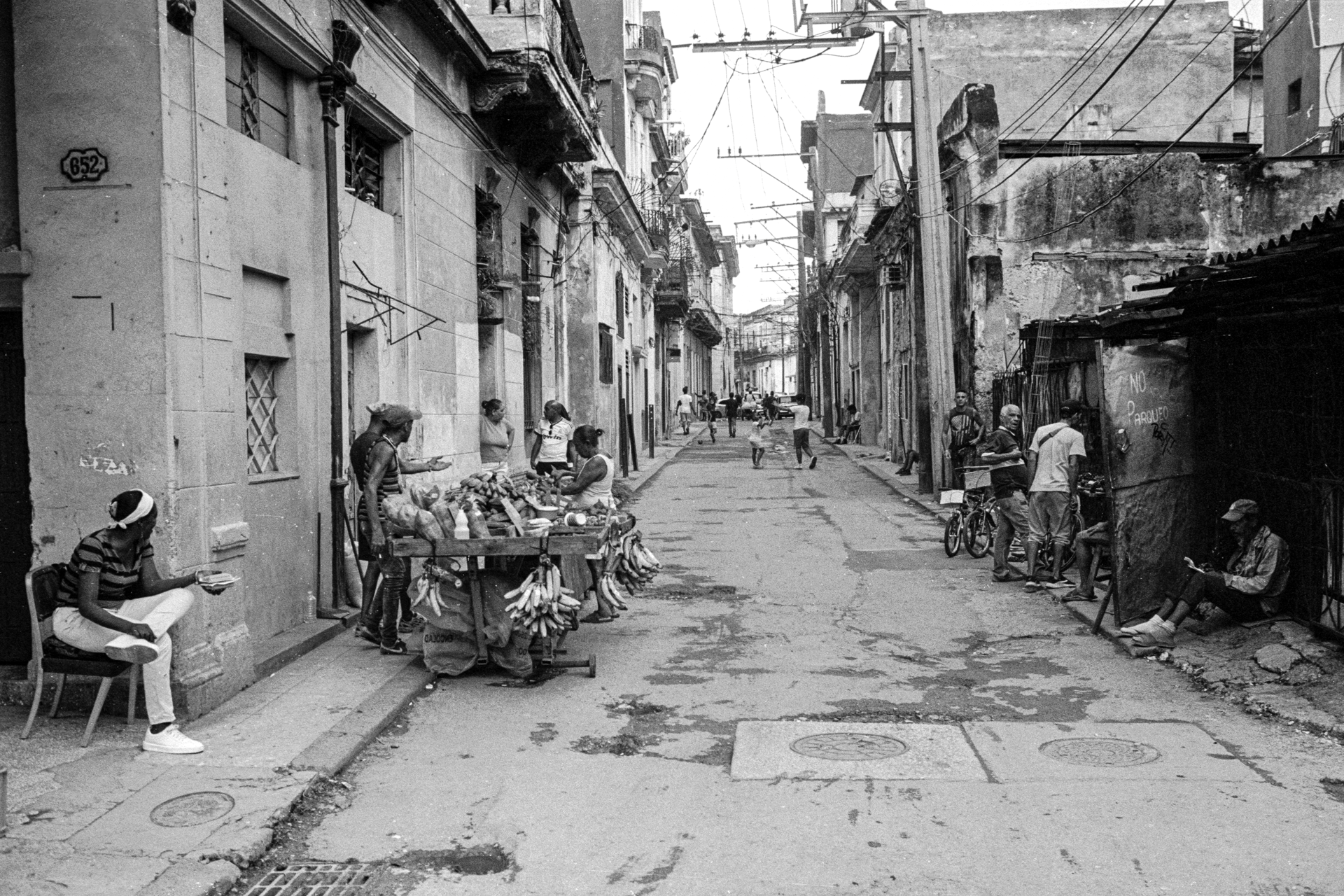
Venturing away from the main streets of Old Havana, the cityscape swiftly transforms, revealing a scene dominated by deteriorating buildings on the verge of collapse. Centro Habana, La Habana
My visit to the country was brief, lasting barely longer than a week. However, I felt as though in every corner and every moment my camera captured, there was a profound manifestation of the country's history. Through sharing these images and providing their historical context, I aim not only to depict the harsh reality faced by Cubans today but also to shed light on some of the reasons behind the tragic fate of a once flourishing tropical paradise.
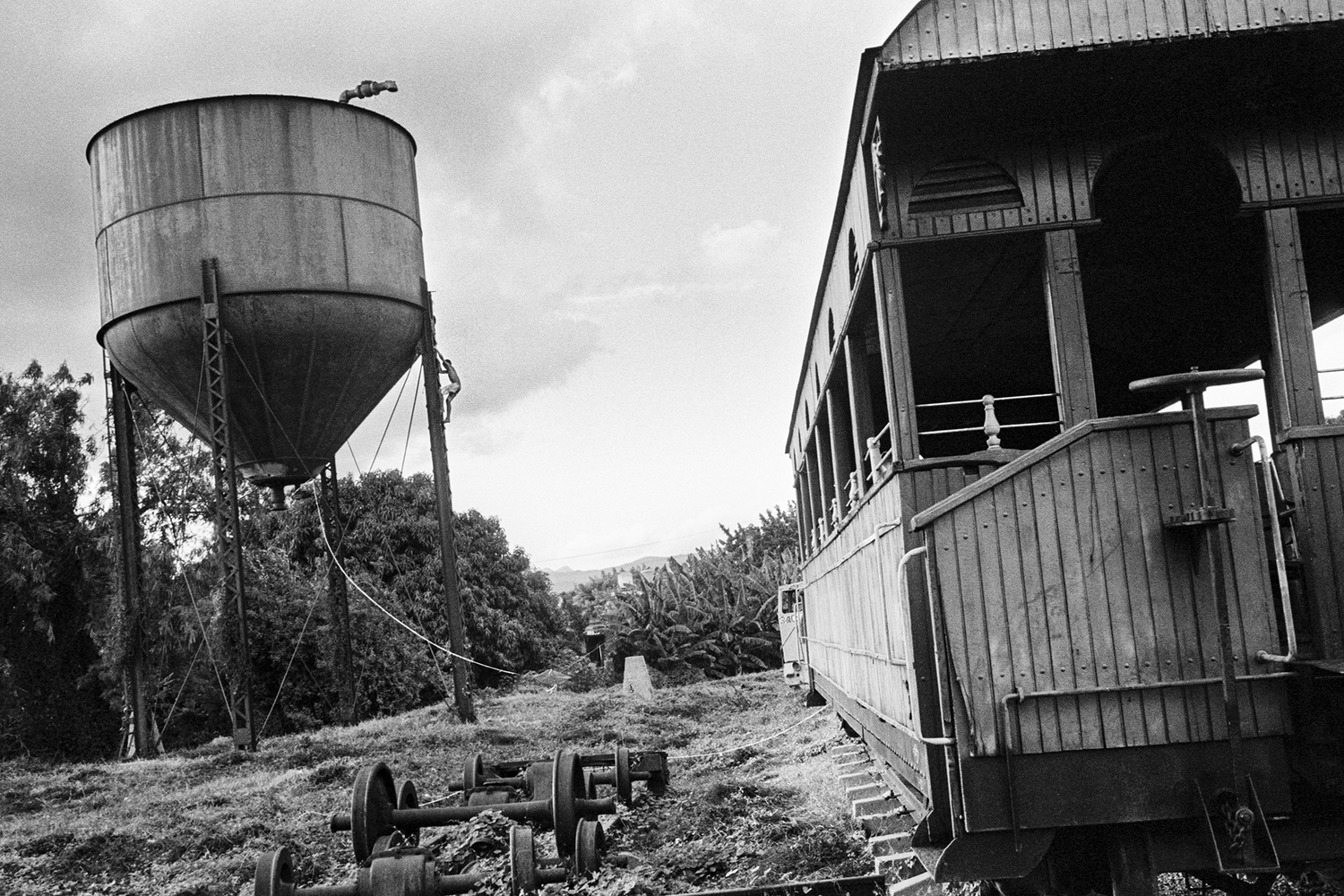
A child climbs up onto a water tank for a stuck paper kite. Next is a passenger car, dating back to the late 19th century. Termínal de Ferrocarríl, Trinidad, Provincia de Sancti Spíritus
Historically, the country's economy heavily relied on sugar exports. Sugar cane cultivation in Cuba dates back to 1523, but the country became a prosperous colony only in the 18th century. Just outside Trinidad, Valle de los Ingenios was once centre of sugar and slaves trades and home to the plantations that brought prosperity to the region.
During World War I, Europe's sugar fields were devastated by trench warfare, leading to an unprecedented rise in sugar prices. At the time, a significant portion of Cuba's sugar mills were already under the ownership of U.S. businesses.
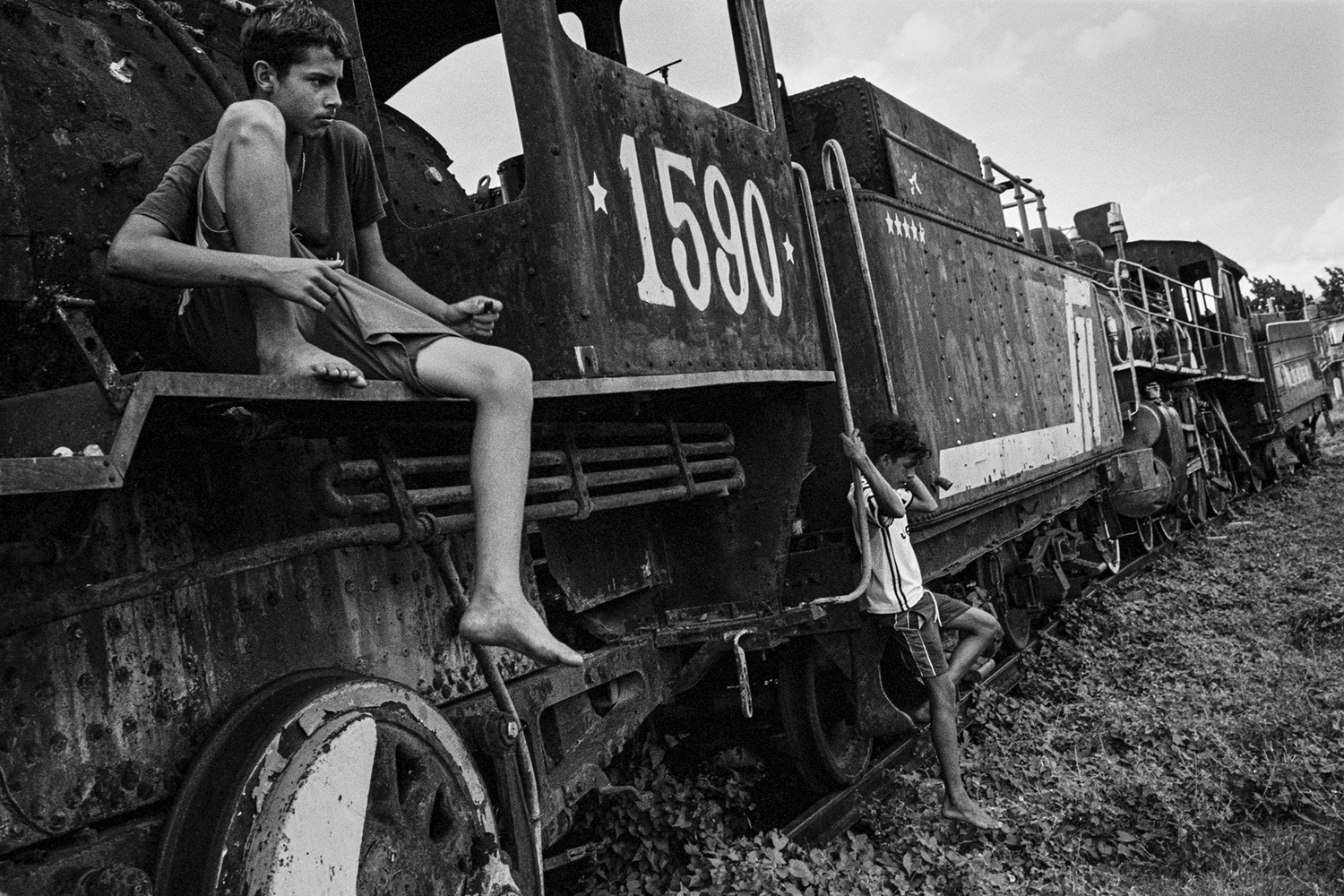
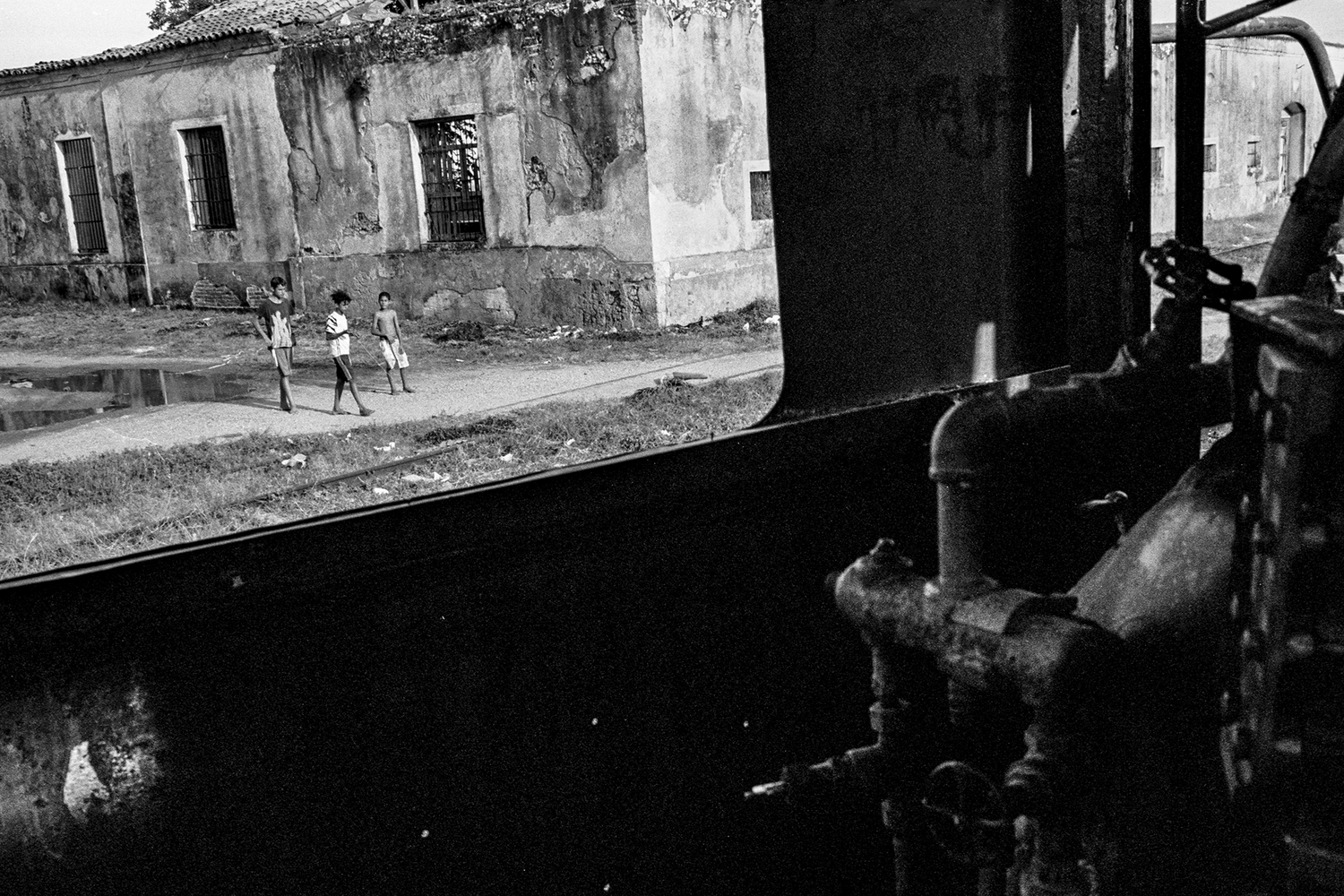
Children take possession of the railway station and its rolling stock, such as the failed locomotive 1590, built by ALCO in 1926. By 2011, steam traction had been phased out from the sugar cane fields and mills, leaving only a handful of museum lines and tourist trains in operation. Locomotive 1590 was returned to its base in 2013. Termínal de Ferrocarríl, Trinidad, Provincia de Sancti Spíritus
To transport sugar cane from the fields to the mills, Cubans used steam locomotives, predominantly manufactured by U.S. companies like Baldwin, ALCO, Rogers, Vulcan, Porter, and others between 1895 and 1935. This era saw significant profits that were directed towards civic structures and public utilities. However, in 1924, the price of sugar crashed and the Great Depression followed, effectively ending the booming sugar industry in Cuba.
In recognition of their historical importance, Valle de los Ingenios and the neighboring Trinidad were declared a UNESCO World Heritage Site in 1988.
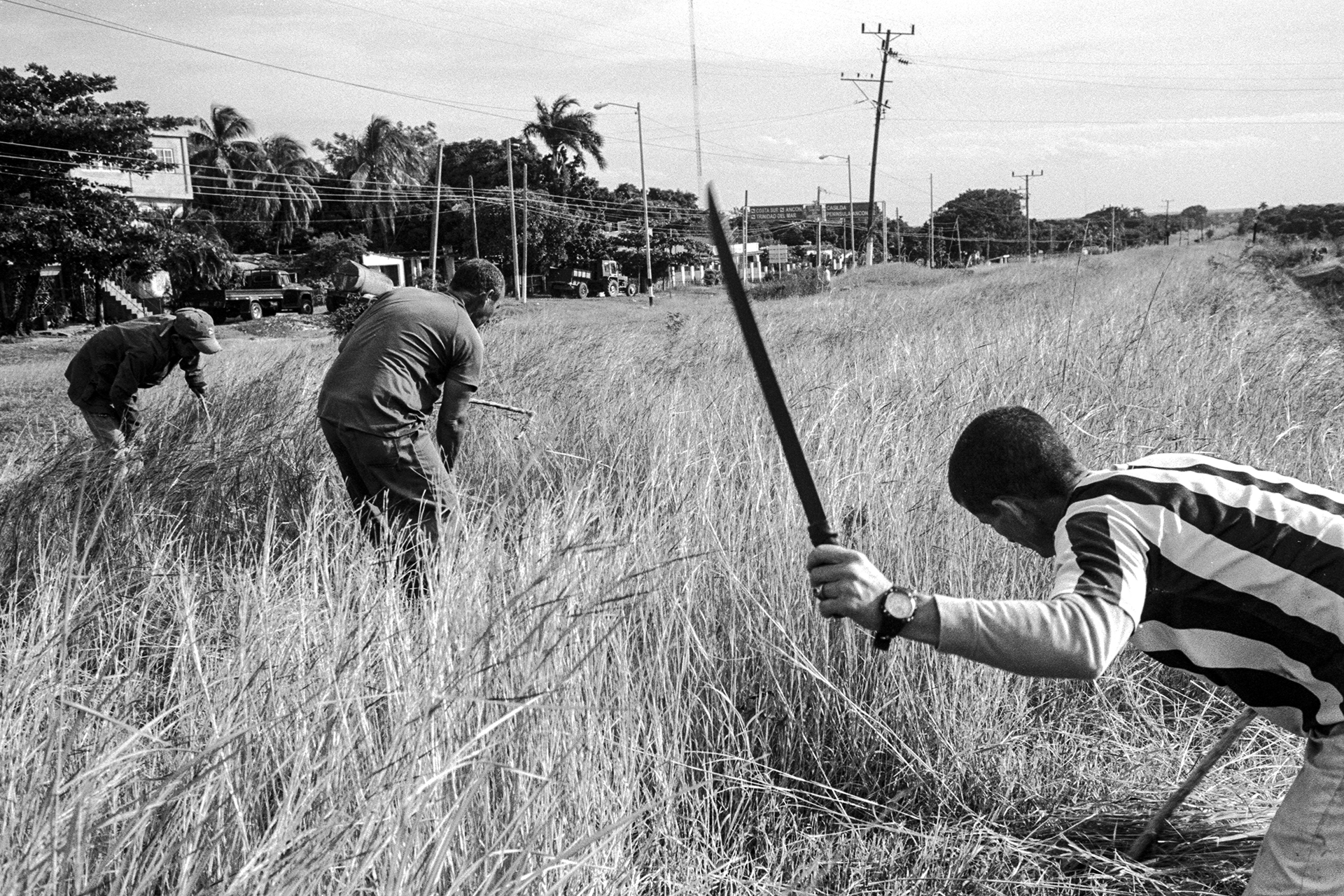
Workers clear an extensive stretch of railway track, removing overgrown weeds and vegetation along the line. Trinidad, Provincia de Sancti Spíritus
For many years, Cuba has maintained an official unemployment rate that appears remarkably low compared to other nations, particularly across Latin America. However, this conventional measure of unemployment poorly reflects the true labor market conditions as it only accounts for "open unemployment," representing those actively seeking jobs. Determining the precise unemployment figure in Cuba remains elusive, but estimations suggest that the current unemployment rate could be as high as 43-45% or potentially even more.
In Cuba, nearly half of the nation's labor force resorts to makeshift methods, engaging in informal trade or bartering in order to eat and survive. This includes selling items acquired through various means, like negotiating with private farmers. Additionally, a portion of individuals relies on remittances from abroad, travelers, and "mules" who feed the black market.
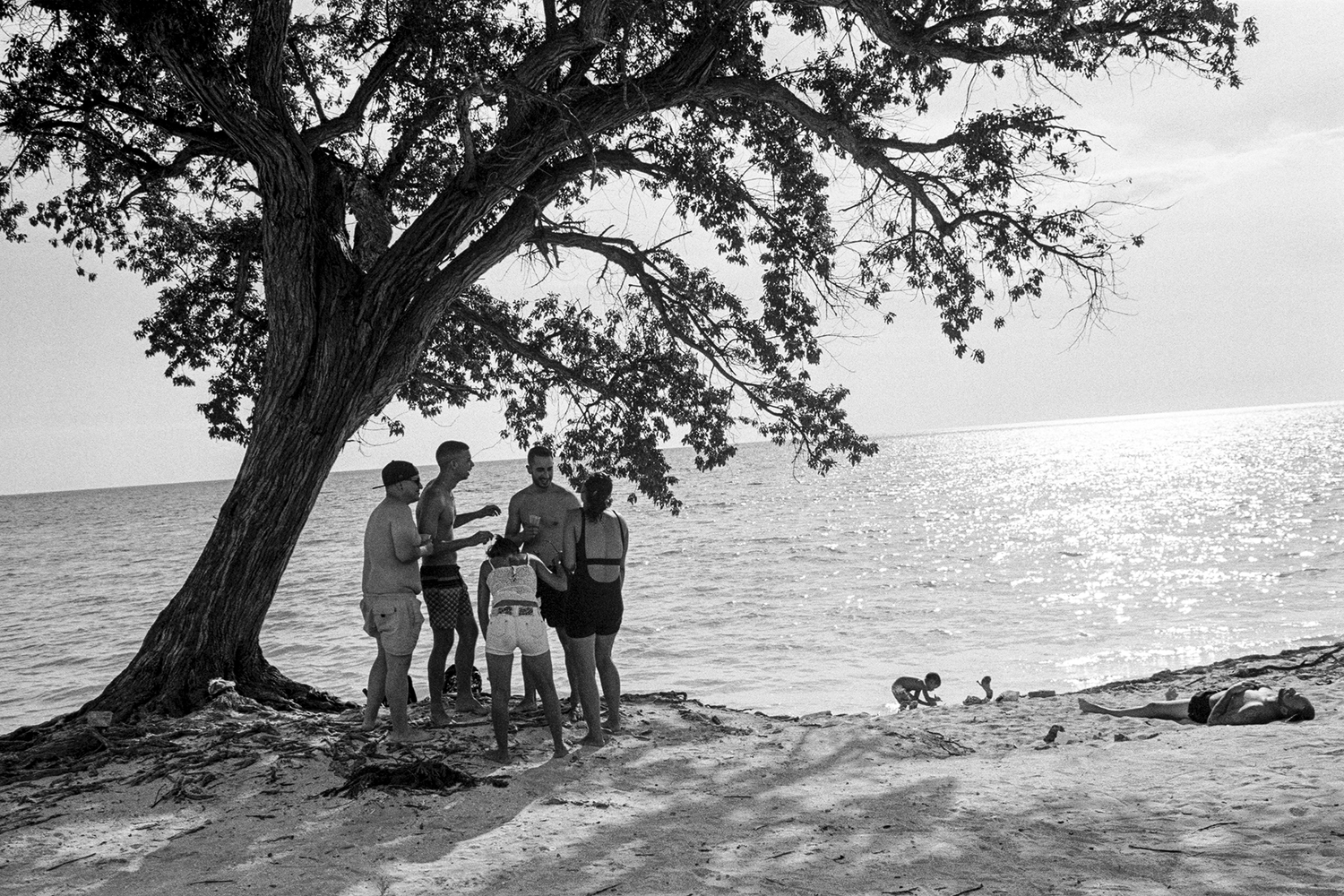
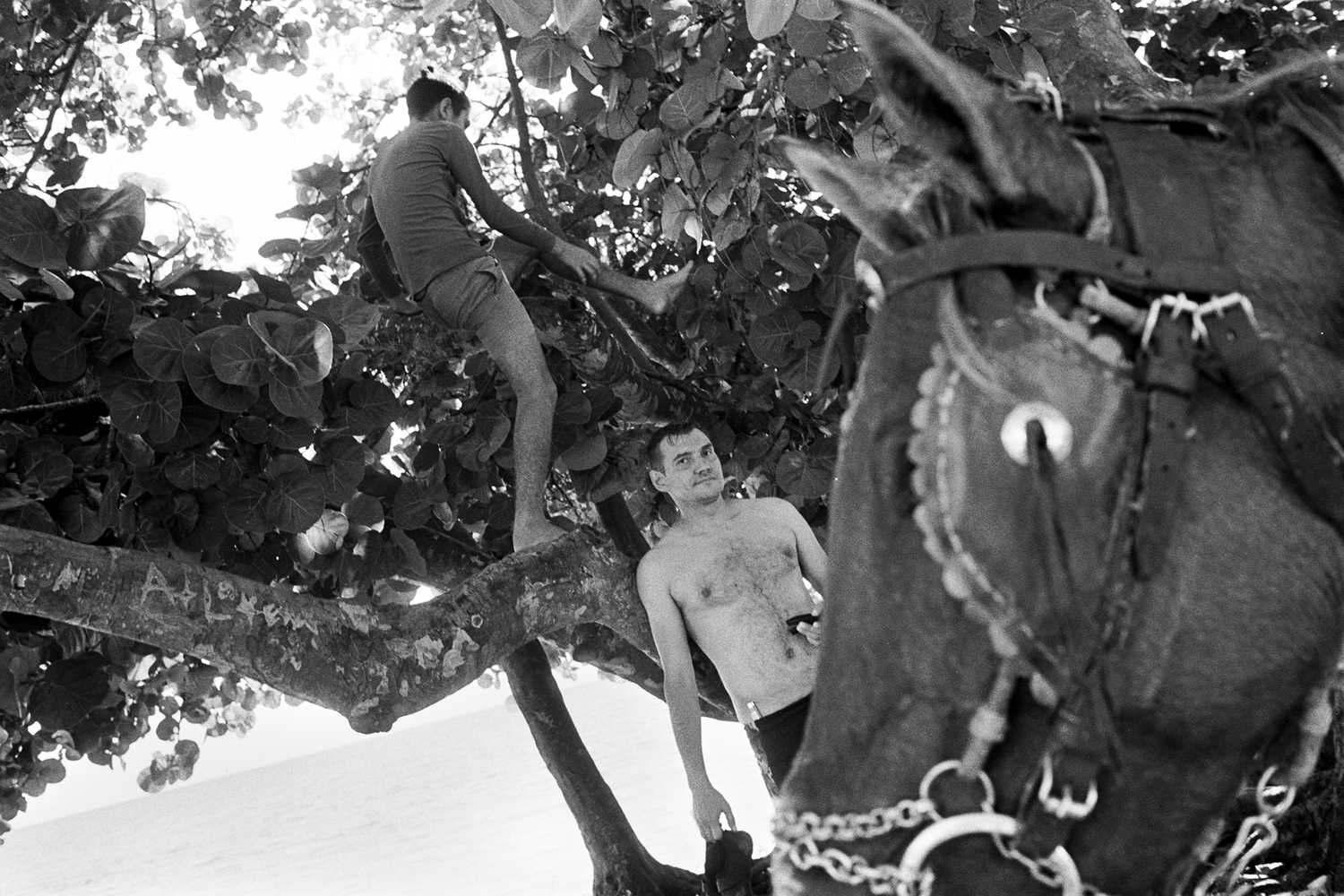
Locals spend the weekend with unwinding on one of the less-frequented parts of a popular caribbean beach. Playa Ancon, Provincia de Sancti Spíritus
Cuba's diverse landscapes, home to unique ecosystems and rare species like the bee hummingbird, have traditionally drawn tourists. However, recent years have seen a dramatic decline in tourism due to factors such as COVID-related restrictions, economic challenges, conflicts in foreign investment, and first and foremost the continued U.S. sanctions, which have categorized Cuba among nations like North Korea, Syria, and Iran as a state sponsor of terrorism. Consequently, travel from the U.S. to Cuba and sending remittances from relatives in the United States - a crucial income for the impoverished island - are largely prohibited.

Men play dominoes in the dark outside their homes. Cuba has a strong association with dominoes, it's a cherished and widespread pastime that engages people of all ages, genders, and social classes. Trinidad, Provincia de Sancti Spíritus
Frequent power outages lasting up to 12 hours occurs daily across certain regions, affecting almost half of the country. These outages are primarily caused by aging terrestrial thermoelectric plants, that received little to no maintenance in the past 40 years. The situation was worsened by the country's economic crisis amid tightening US economic sanctions and the Covid-19 pandemic.
The blackouts deters tourists and disrupts daily life in numerous ways. It's a frustrating situation, that fuels the biggest migration crisis since the revolution. Between 2021-2023, nearly half a million Cubans have left the island and sought refuge into the United States because of deteriorating living conditions.
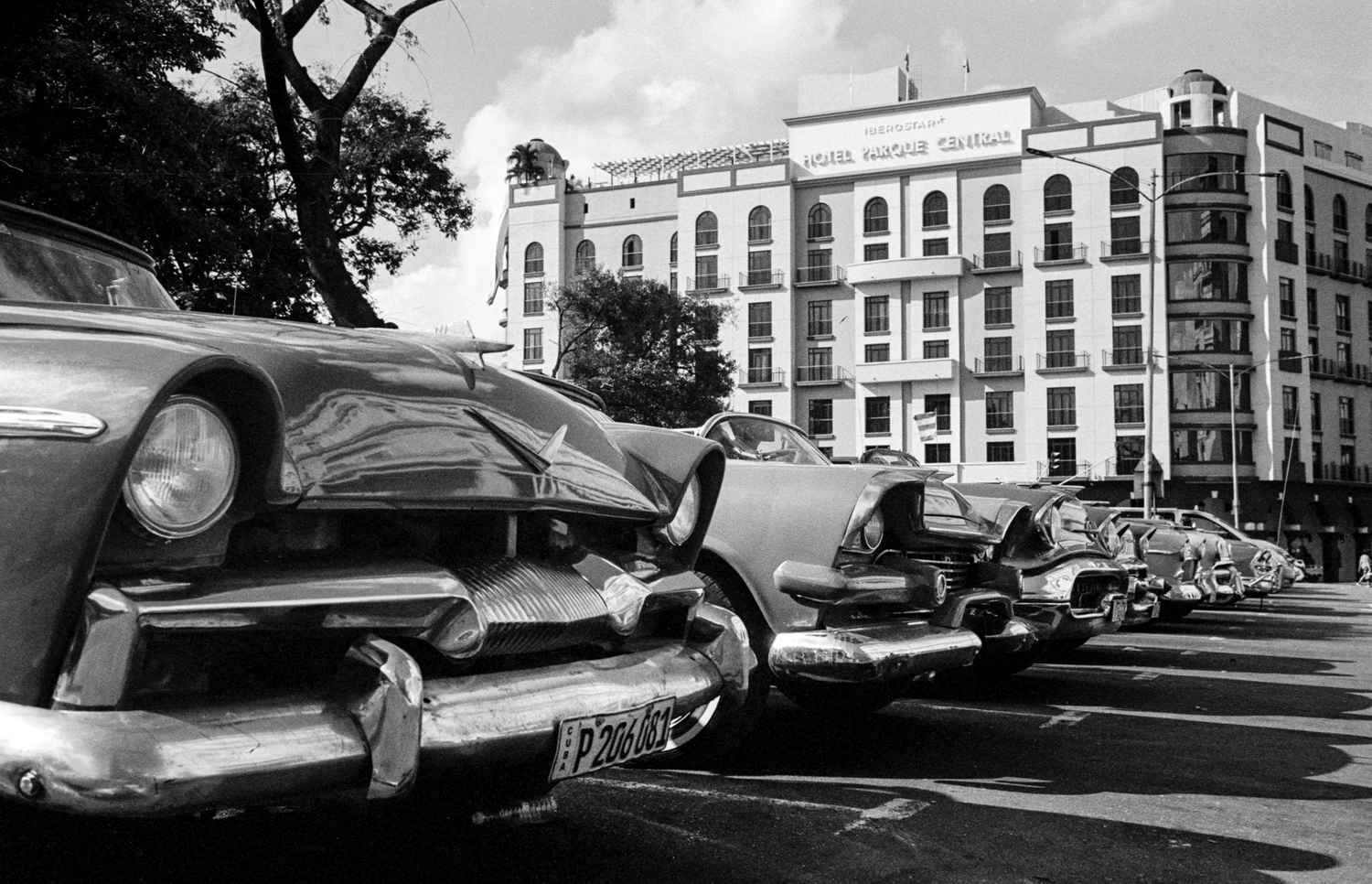
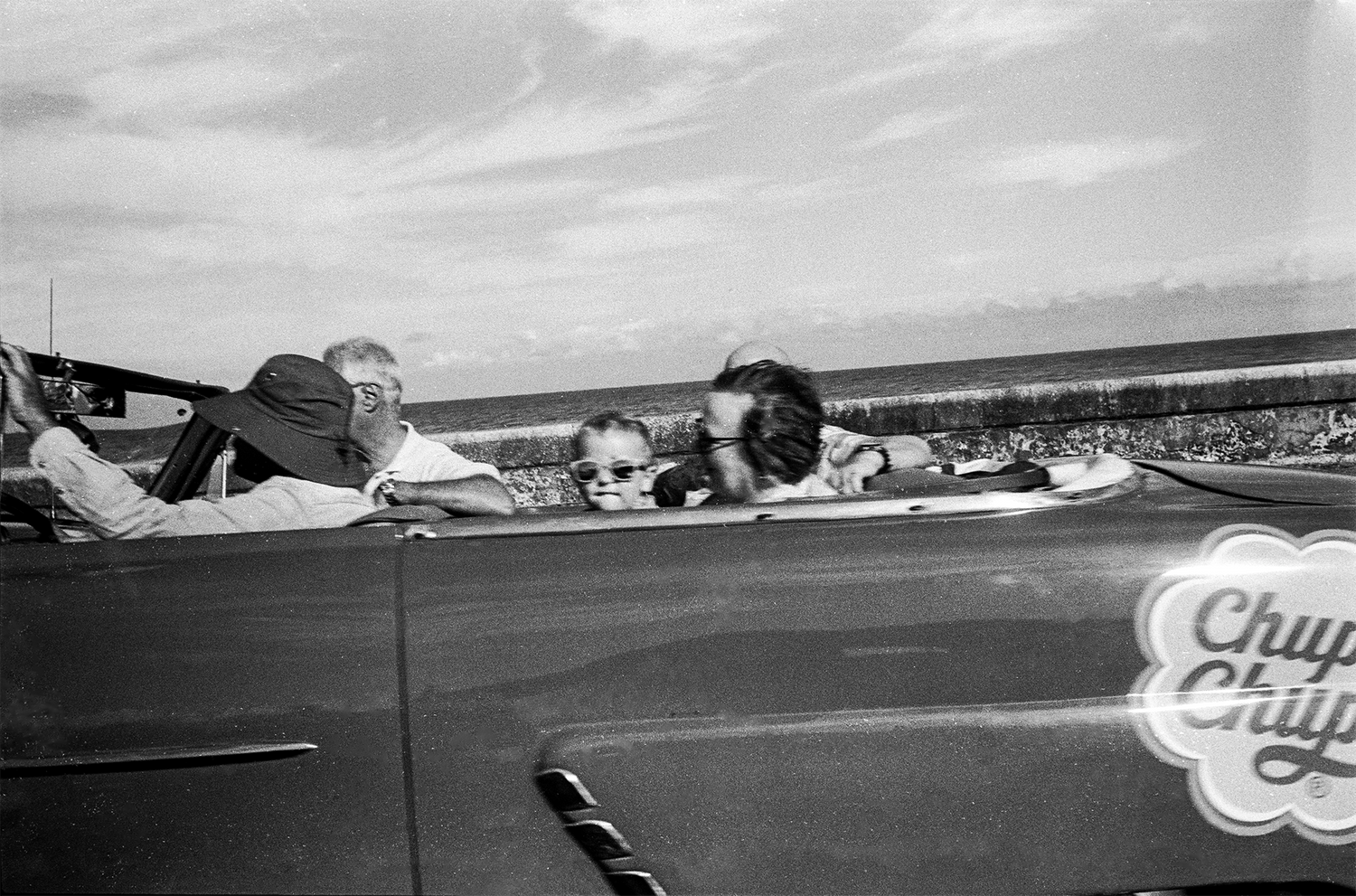
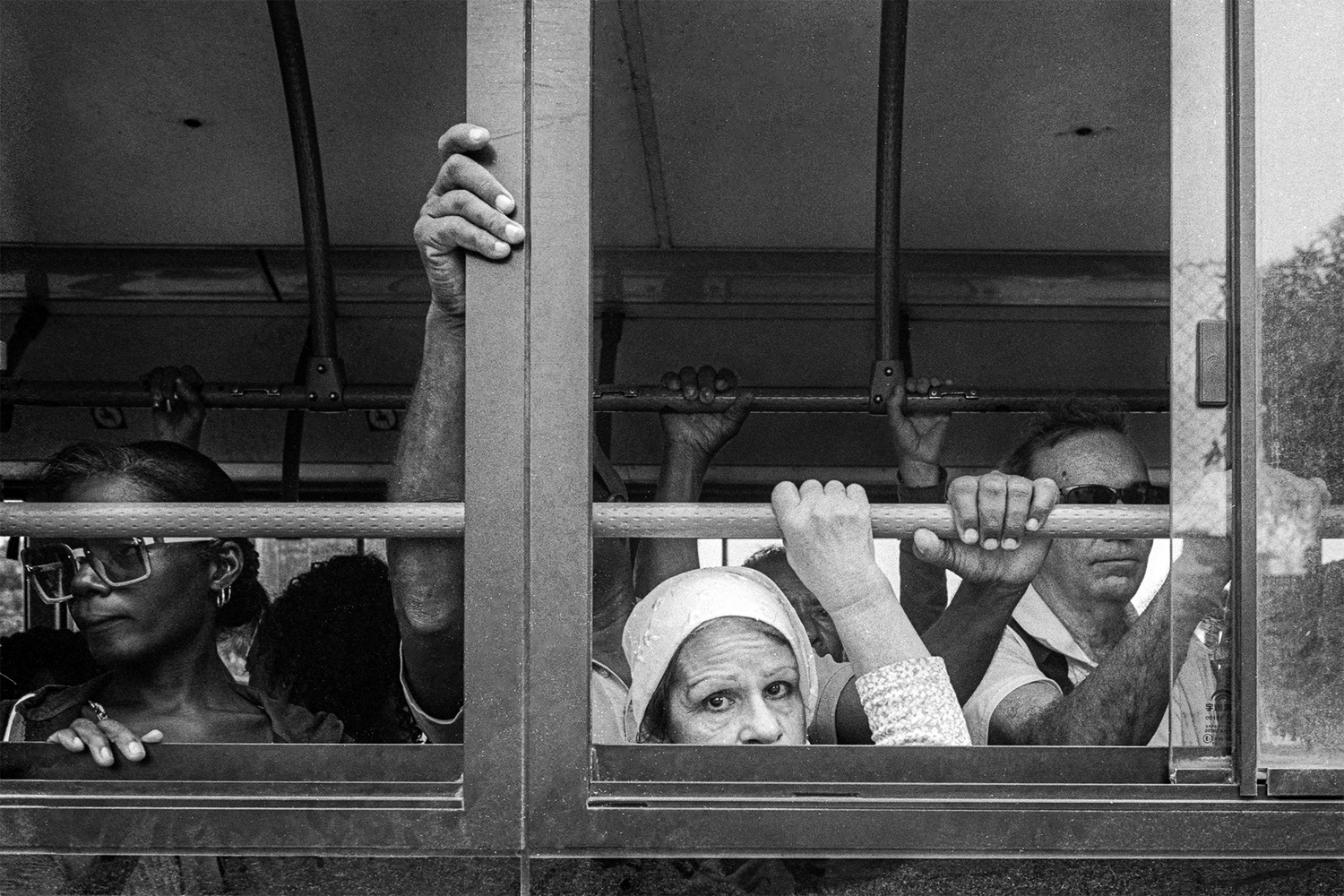
Exploring Havana in a vintage car is the privilege of wealthy tourists. Most of the citizens use the cheap MetroBus for commuting, which serves as the primary public transport network in the city. These buses are manufactured by the Chinese company Yutong as well as Russian companies like LiAZ and MAZ. La Habana
Vintage American cars in Cuba are remnants of a bygone era, existing due to a trade embargo imposed in the early 1960s, restricting the import of new vehicles. Today, they serve as taxis and tourist attractions, offering rides around cities. Due to limited access to original parts, many of these cars incorporate components sourced from different vehicles and the only original part they usually retain is the chassis. The cars, authentic only in their appearance, perfectly represent the country's attempts to present a better image than reality.
In Havana, locals primarily rely on rickshaws, tuk-tuks, or buses for commuting, but outside the city, hitchhiking is the dominant way to get one point from another. The popularity of hitchhiking soared during Cuba's "Special Period" after the collapse of the Soviet Union, which abruptly halted Soviet oil supplies crucial for Cuba's transportation. Consequently, buses became unreliable, often arriving late or not at all. To address the crisis, the government introduced unconventional measures, including the nationalization of hitchhiking.
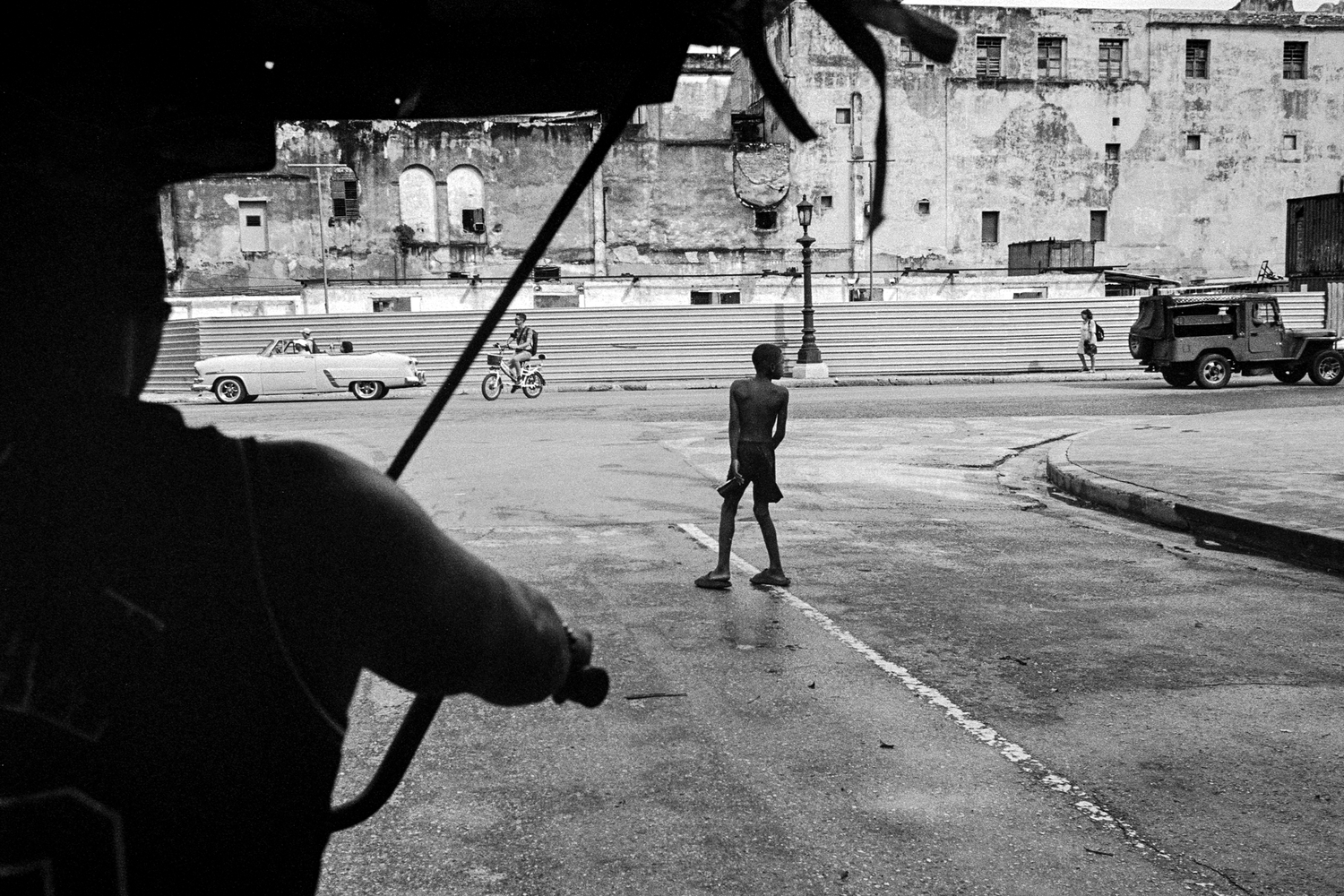
Echoes of Cuba's economic struggle encapsulated in a single frame: as a rickshaw passes by a weary child at an almost deserted crossing, carefree tourists drive a vintage American car in the backdrop, contrasting against a neglected, crumbling building. La Habana
Considering that Cuban average salaries ranked among the top 10 worldwide in the early 1920s, it is incredibly disturbing to see what the country is going through today. This sentiment is particularly poignant from Hungary, a nation that shares common historical experiences due to its adherence to communist ideology, which promises equality and a classless society. This system incorporates centralized control over the economy, industry, and resources, alongside consistent propaganda that manipulates statistics and misleads people with the supposed benefits of such sovereignty. However, in reality, it frequently struggles to deliver well-being to its citizens, resulting in economic hardships, shortages of basic goods, and restricted personal freedoms, fostering discontent among the populace.
Despite the challenges faced under a totalitarian rule, there remains hope for improved prospects in future decades. Many nations that experienced communist regimes are now embracing reforms, aiming for a balance between socialist principles and elements of free-market economies. As these societies evolve, there's a growing aspiration for greater individual liberties and improved living standards for their citizens.
May these nations serve as guiding lights, illuminating the path for change and offering inspiration for the possibility of a brighter, liberated future for Cuba.