The Quetzal Serpent
(... and the maiz people)
"And so they were happy over the provisions of the good mountain, filled with sweet things, thick with yellow corn, white corn, and thick with pataxte and cacao..." - reads a passage from the Popol Vuh (Book of the Council, Book of the Community) in Dennis Tedlock's translation. The Popol Vuh is the sacred text that recounts the mythology and history of the K'iche' people of Guatemala.
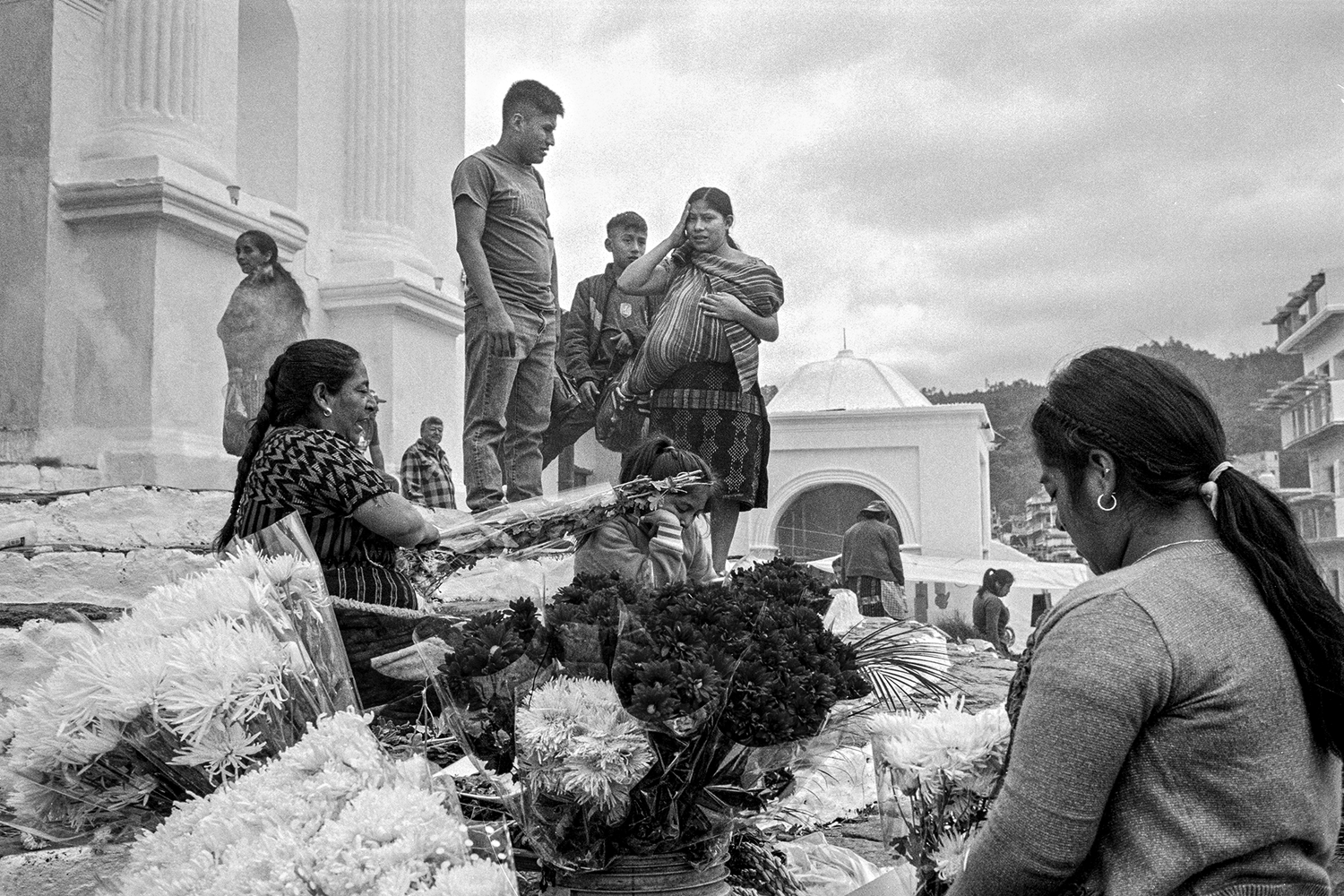
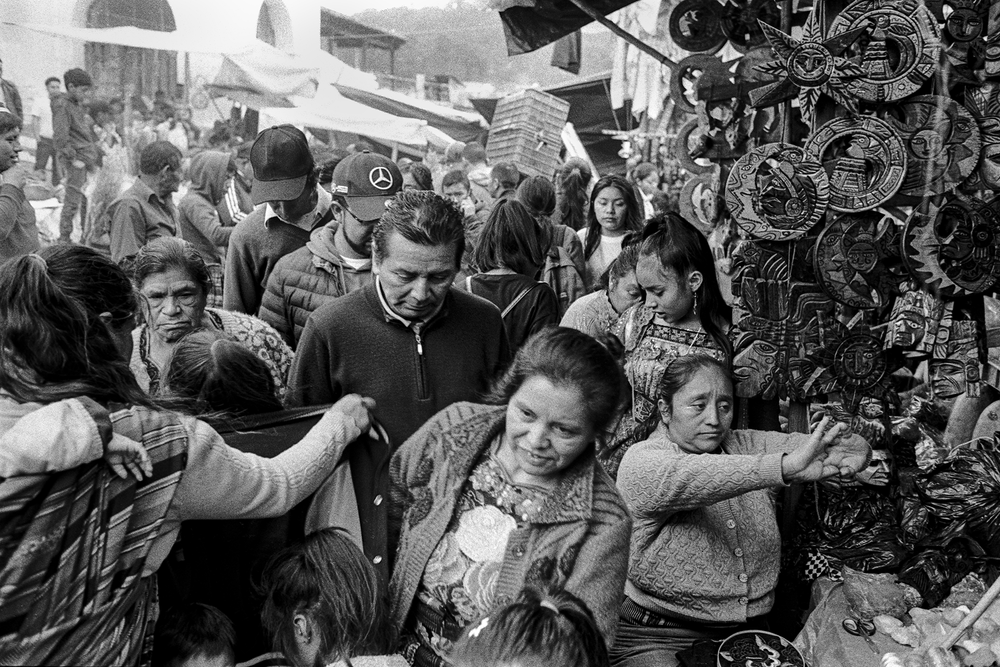
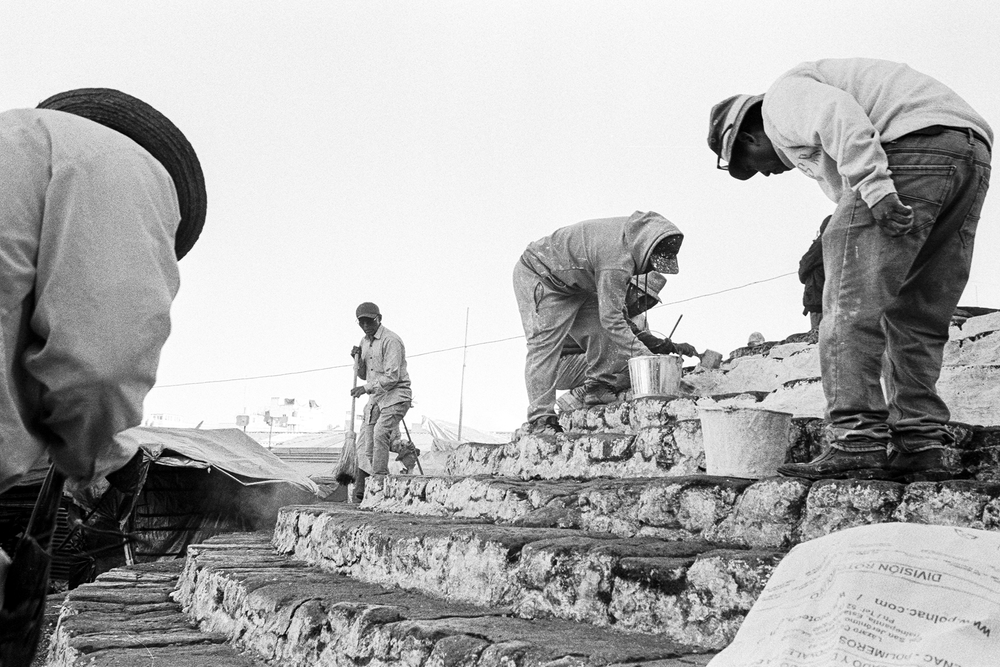
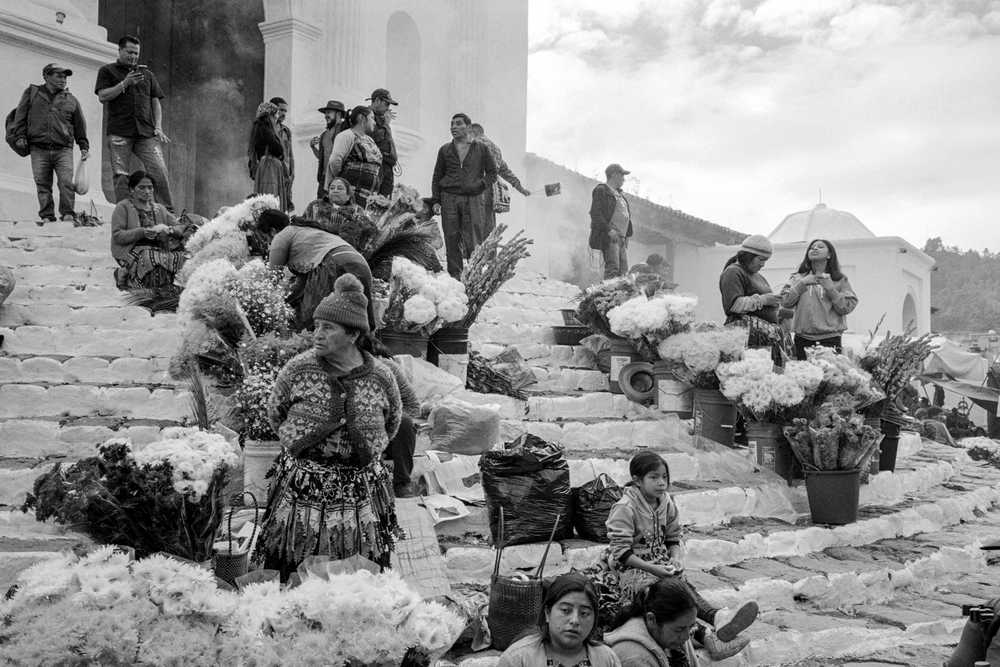
Every Thursday and Sunday, the center of Chichicastenango hosts the largest market of its kind in Central America. Amid this vibrant scene, the steps of the Santo Tomás Church stand out, transformed into a colorful flower market. The 18 steps, each symbolizing a month of the Mayan Haab calendar, are the original steps that once led to a pre-Hispanic Maya temple and are considered sacred ground. K'itche' priests perform rituals here, burning incense, and candles. In December, the steps and the church are repainted before the week-long festival honoring Santo Tomás, the town's patron saint. Chichicastenango, Quiché
The oldest known surviving copy of the Popol Vuh was written in the early 18th century by Francisco Ximénez, a Dominican priest who arrived in Santo Tomás Chichicastenango (also known as Santo Tomás Chuilá) in 1701 and first recorded the work. Ximénez’s copy was likely based on an earlier version, probably created in the sixteenth century by a native speaker familiar with Latin characters. The earlier versions of the text were codices or screenfolds with glyphs serving as memory aids. Ximénez’s transcription employs Latin script to represent the original K'iche' text, accompanied by a side-by-side Spanish translation.
The Popol Vuh covers Mayan stories of cosmology, origins, traditions, and spiritual history. While it lacks formal divisions, modern editions often structure it into a Preamble and four books for comparative purposes.
The first book describes the creation of living beings. Animals were made first, followed by humans. The initial humans, formed from earth and mud, were fragile and fell apart. The second attempt produced humans from wood, but they lacked proper function and were washed away in a flood and killed by animals.
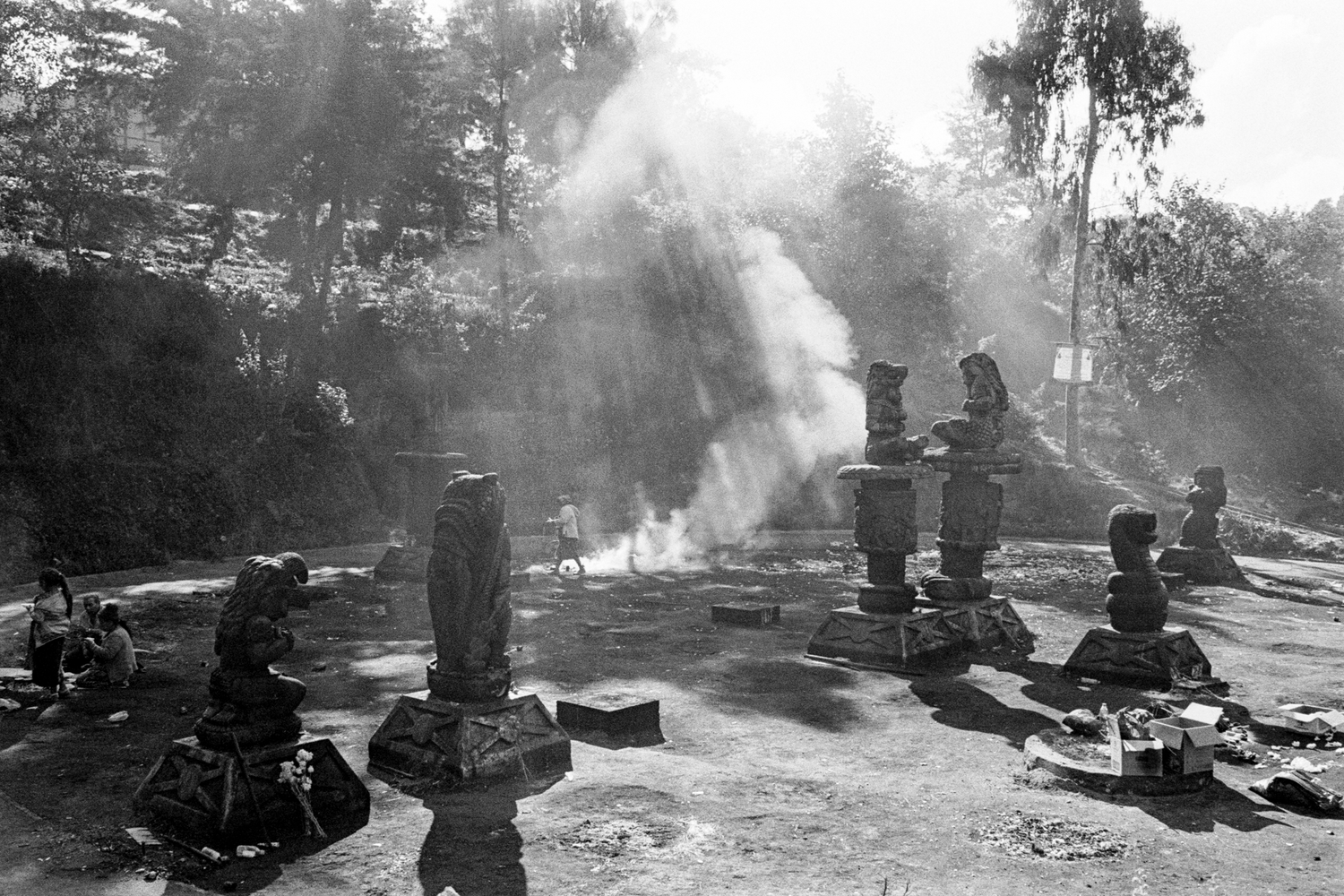
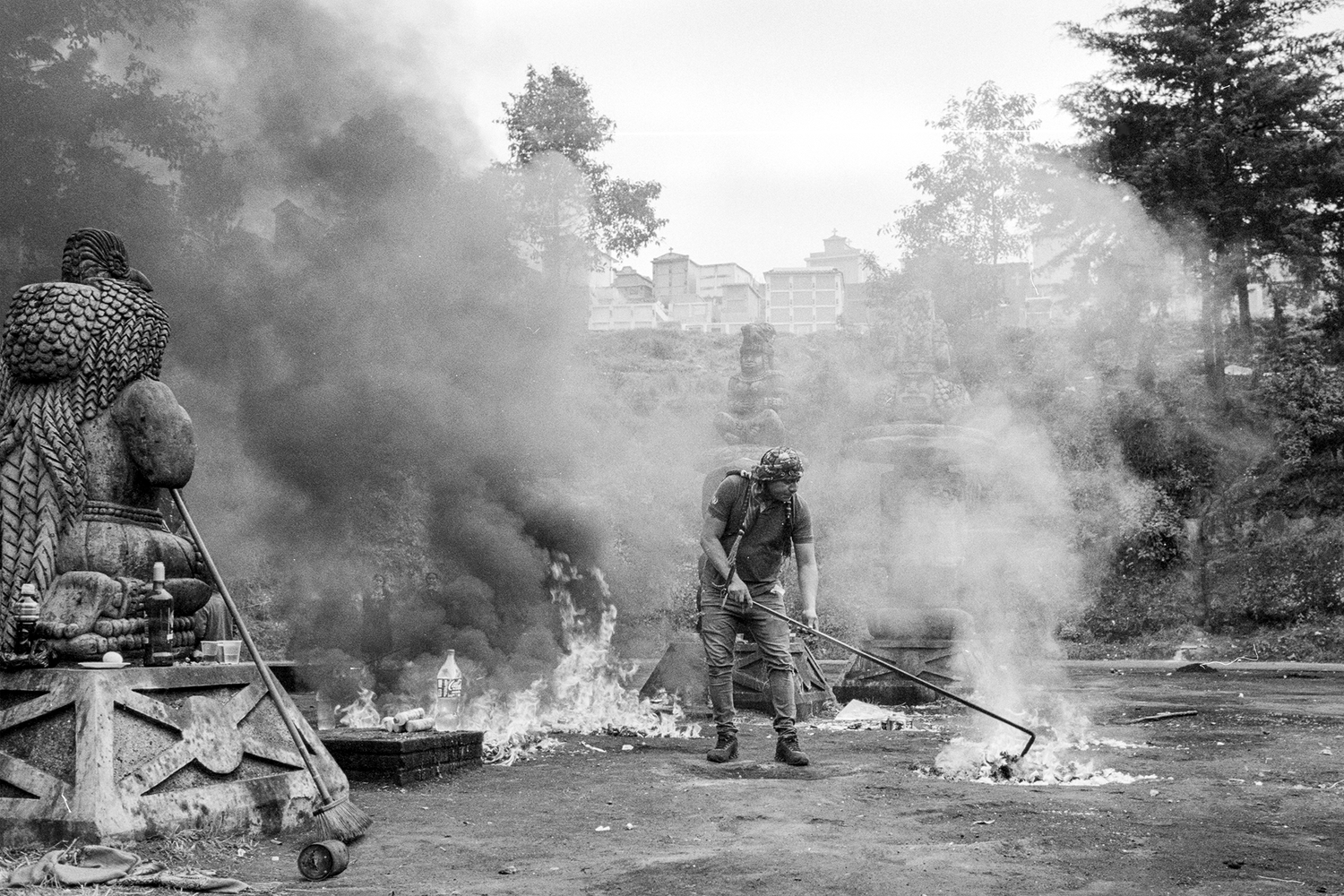
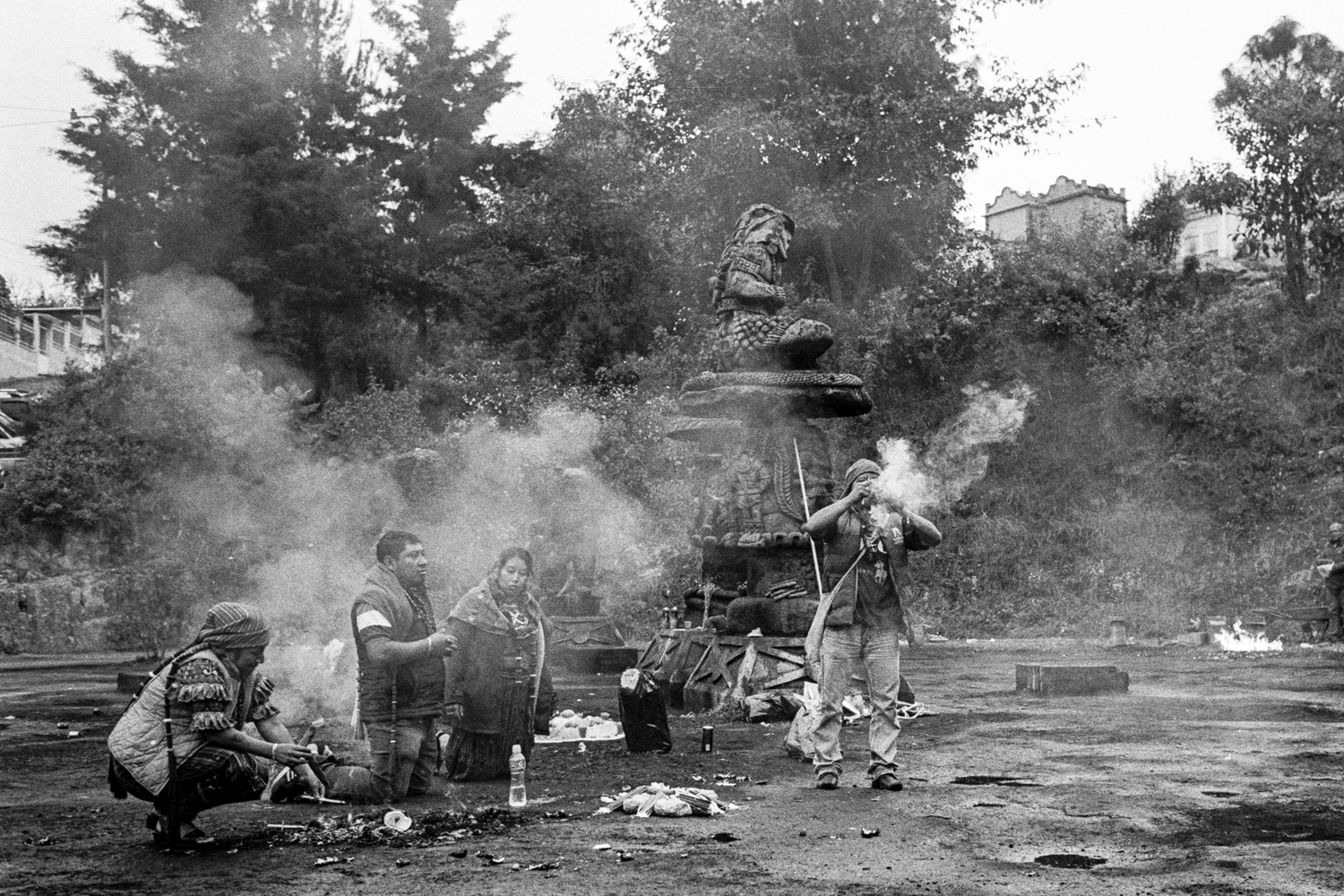
Offerings for health, fertility, wealth and blessings are regularly made in Plaza Baktun, located next to the cemetery in Chichicastenango. Inaugurated in 2012, the plaza was created as a community initiative with support from private companies. It serves as a place for practicing Mayan culture and spirituality, symbolizing the end of one world and the start of another. The sculptures in the plaza represent the Mayan cross and its cardinal points. Chichicastenango, Quiché
In the fourth book, humans are successfully created from maize, and the gods gave them morality and wives. This book introduces Gucumatz (Qʼuqʼumatz in K'iche'), known as the Feathered Serpent (literally as "Quetzal Serpent"), who is credited with carrying the sun across the sky, descending into the underworld, and mediating between cosmic forces. Gucumatz is depicted as a feathered serpent, combining the qualities of both bird and snake to symbolize the connection between earth and sky.
He is revered among the Maya for his diverse powers and roles. As the god of wind and rain, he is linked to fertility and agriculture, controlling weather vital for crops. He is central to creation myths, shaping humanity and the world. Known as a transformative figure, who brings balance between life and death, light and dark. In the Yucatan Peninsula, he is called Kukulkan.
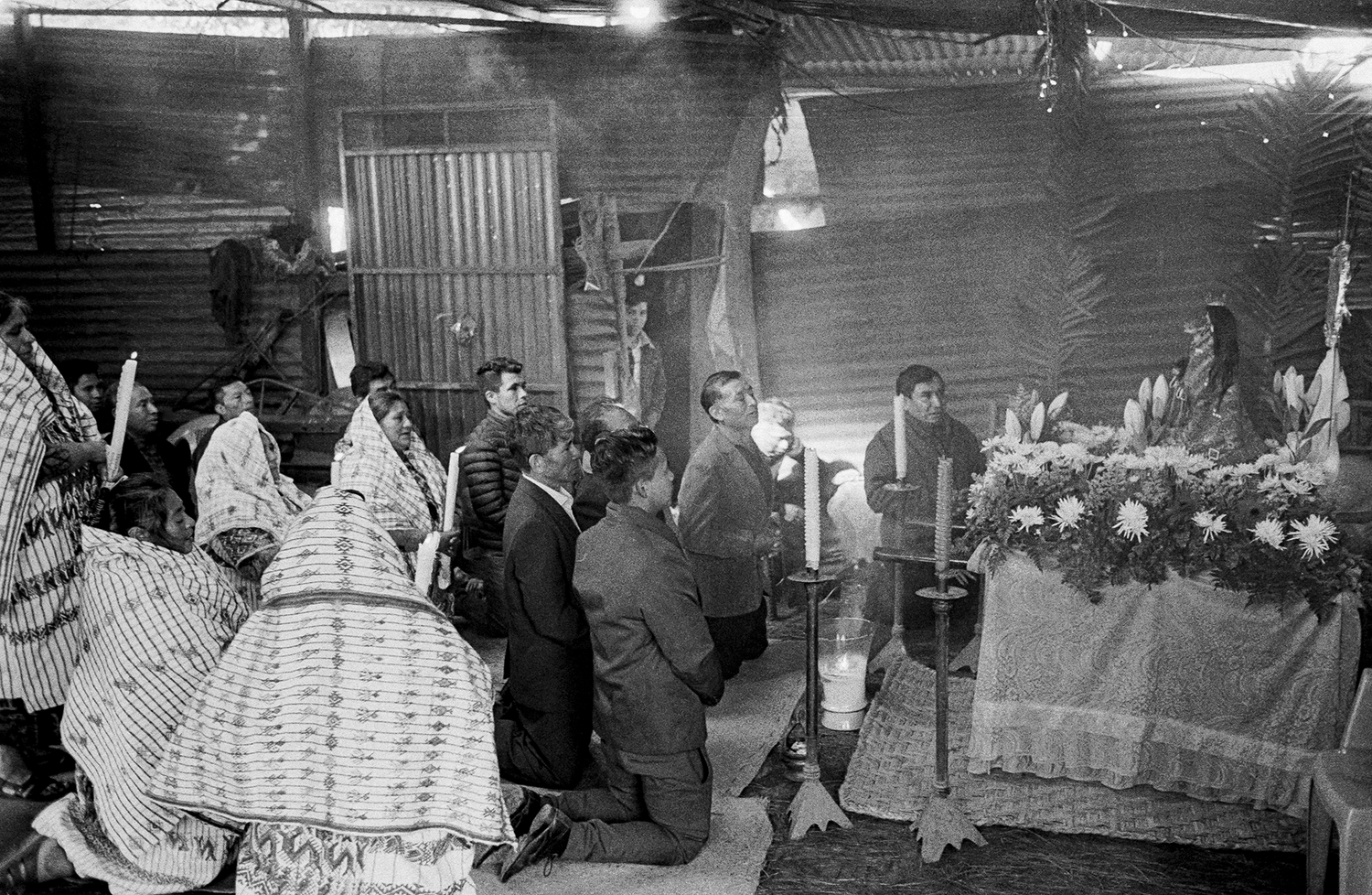
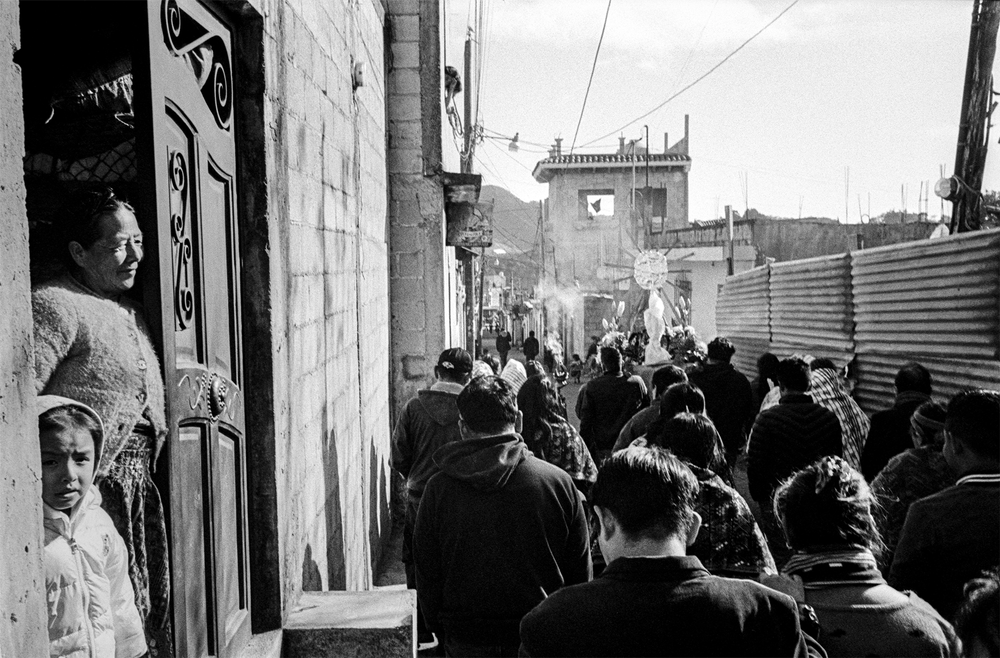
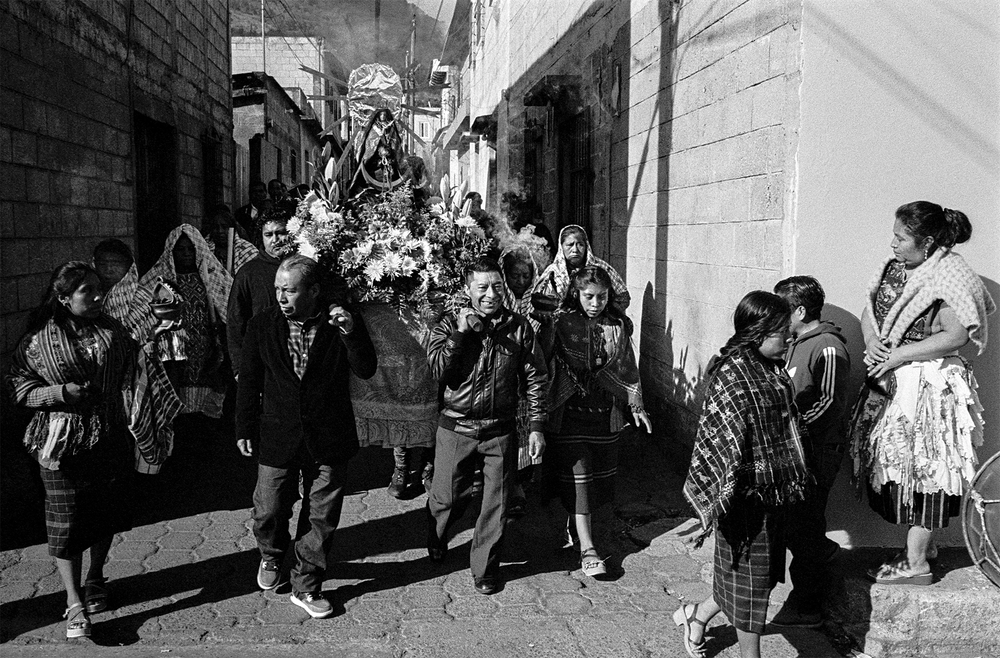
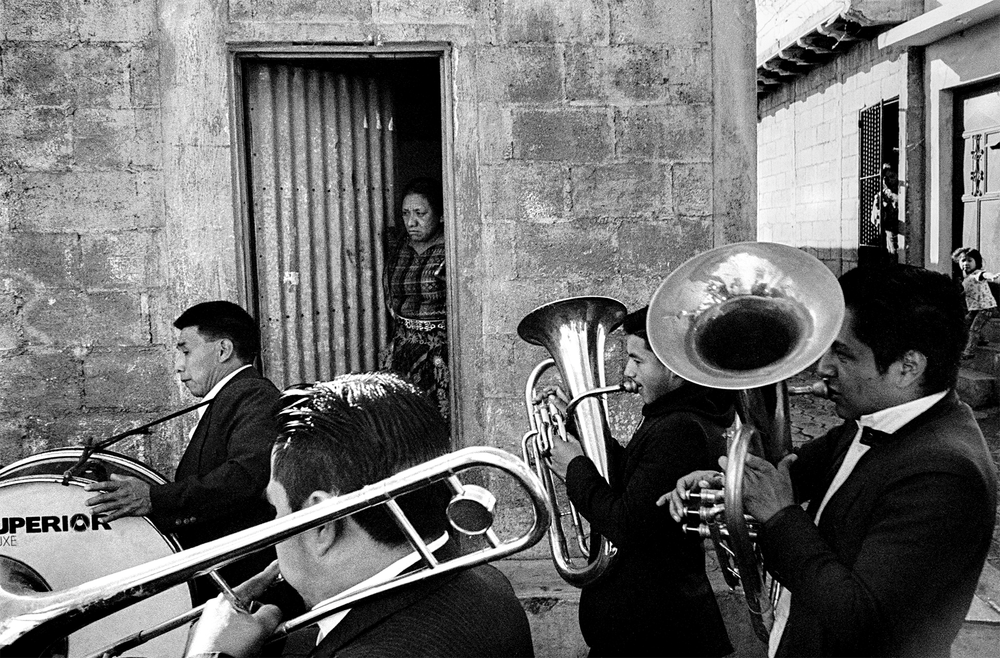
Throughout Guatemala, Christmas celebrations begin on December 8 with processions for the Virgin of the Immaculate Conception. On this day, a statue of the Virgin Mary is carried through the streets on a decorated wooden float, allowing people to admire it. The procession concludes with communal prayers and festive celebrations. Santa Maria de Jesus, Sacatepéquez
Religion in Guatemala is complex, with traditional Maya spirituality remaining a significant presence, particularly in the highlands, alongside Catholicism and the more recent influence of Evangelical Christianity.
The Spanish conquerors wanted to wipe out all of the Mayan traditions and customs, but the priests understood that for the Maya to accept Christianity, it had to be presented on their own terms. For this reason the Popol Vuh was translated into Spanish secretly. Although most of the original Mayan writings were destroyed by Bishop Diego de Landa in a 16th-century bonfire in Yucatán, three texts survived and are now preserved in museums.
Today, nearly 60% of the population identifies as Catholic, though their beliefs and traditions are deeply intertwined with pre-Hispanic worldviews. Guatemala's religious diversity contributes to its rich array of festivals and holidays, setting it apart from other Central American countries.
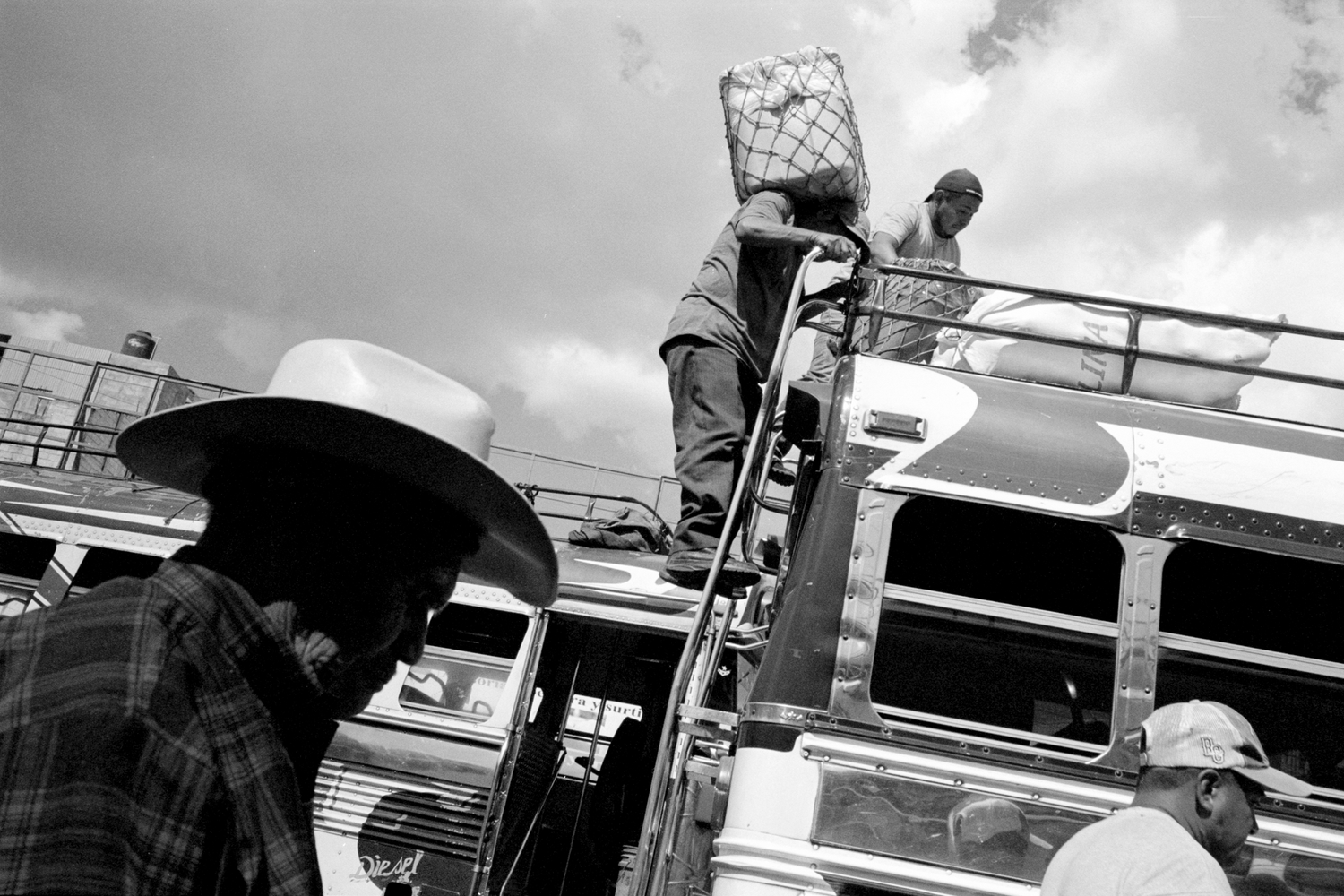
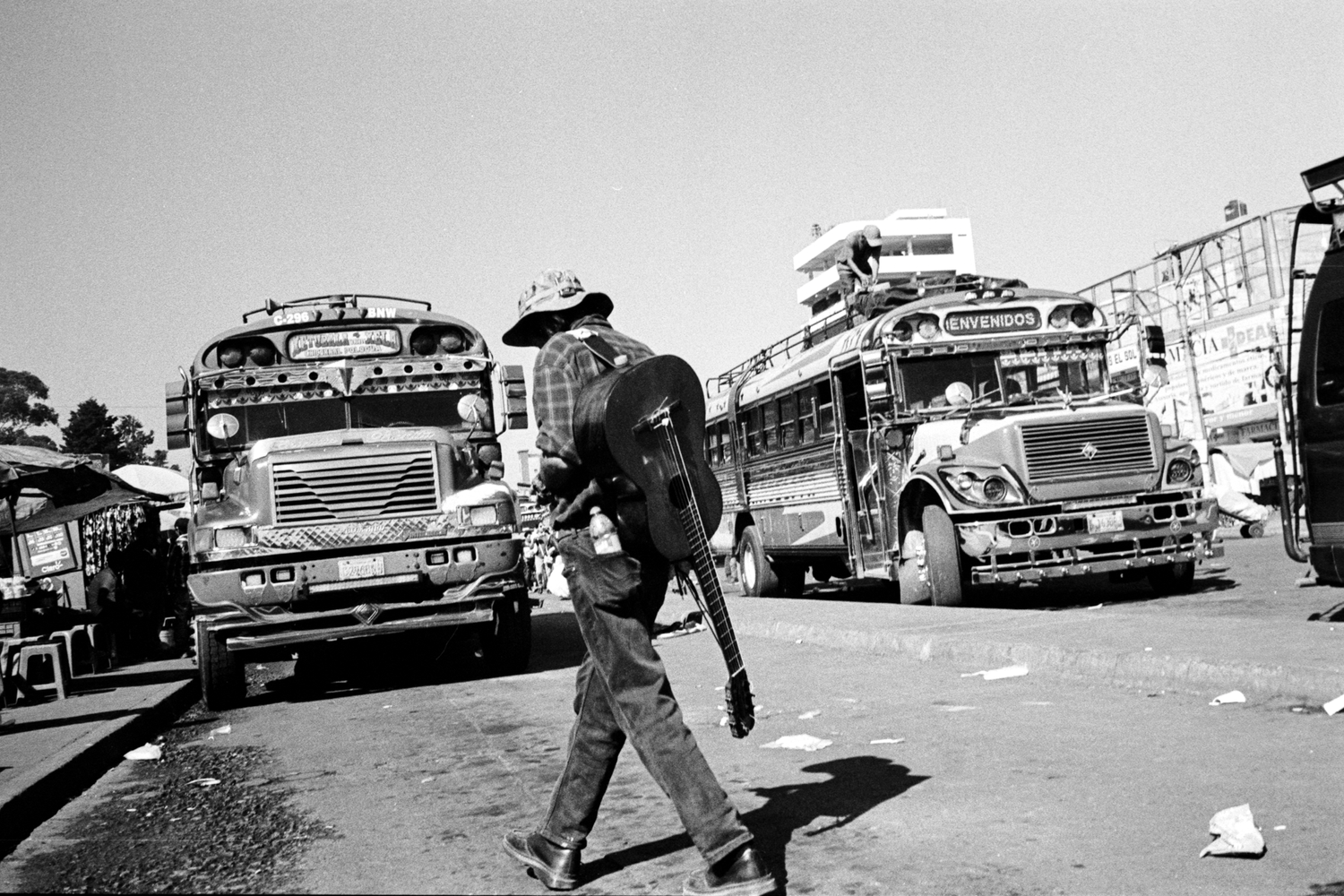
Buses are preparing to depart the bustling terminal. Quetzaltenango (Xela), Quetzaltenango
Renowned worldwide for their vibrant colors and unique charm, Guatemala’s public intercity buses are a true spectacle. Known as "chicken buses," their name harks back to a time when these vehicles often transported goods, including live animals such as chickens, alongside passengers. These buses originally began as yellow school buses manufactured by the iconic Blue Bird Corporation in the United States. After their retirement, they were auctioned to Guatemalan drivers, who transformed them for a new purpose on the country’s rural roads.
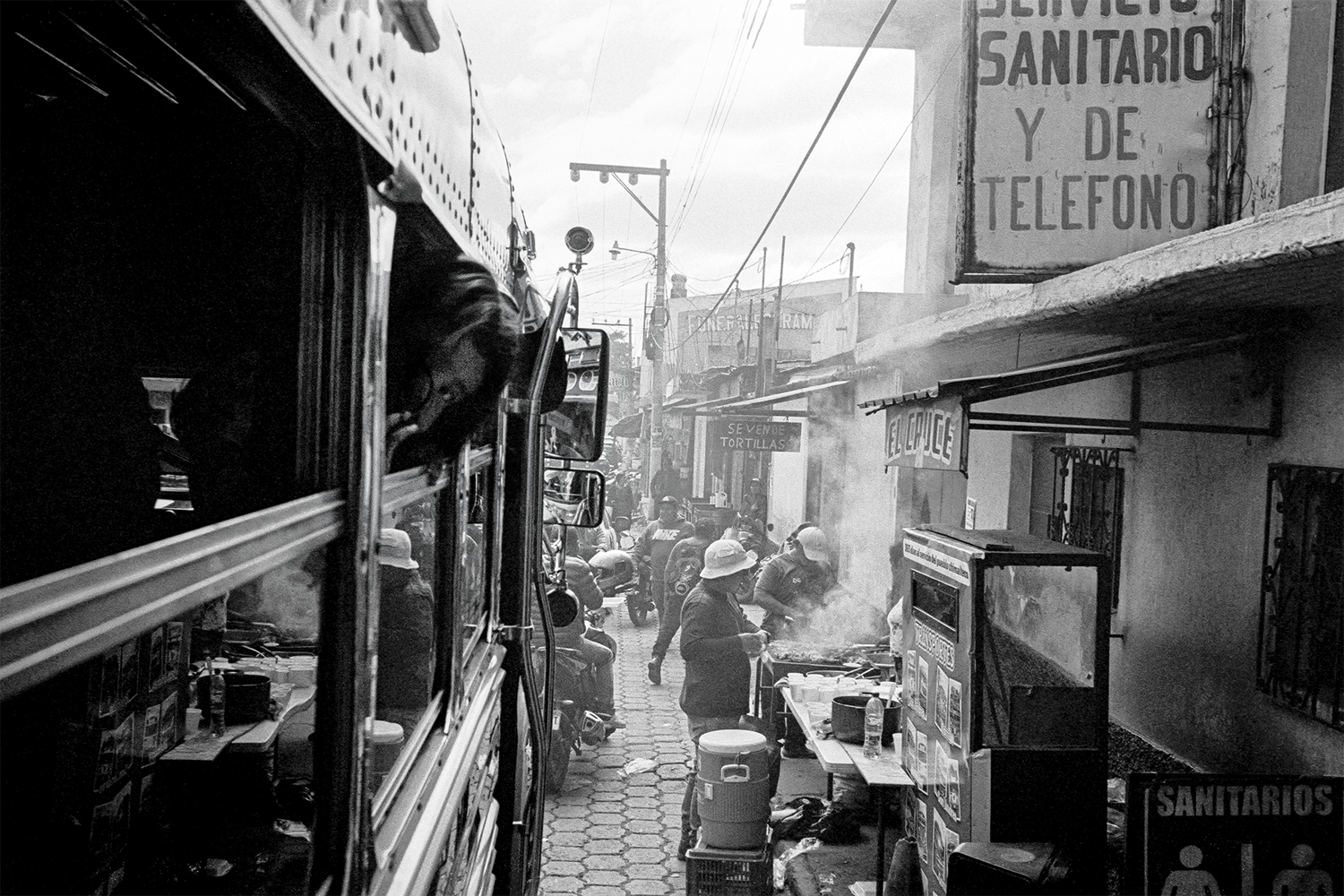
En route to Antigua. Chimaltenango, Chimaltenango
The modifications made to these buses are extensive and more complex than they might seem. Due to the differences in terrain between the urban areas of the United States and rural Guatemala, the original automatic transmissions are replaced with manual stick shifts. The buses are often shortened to better navigate narrow streets, which involves completely disassembling the bus, cutting the chassis and body, and reassembling everything to match the desired size. Seats and roof racks are rebuilt to meet Guatemalan standards, including features like handrails and new upholstery. Customizations such as front grills, bumpers, LED lights, and other accessories depend on the client’s budget. Some buses even include modern features like phone charging sockets next to the seats. The paintwork is unique to each bus and carefully detailed, often signed by the artist. The entire process typically takes about a month to complete.
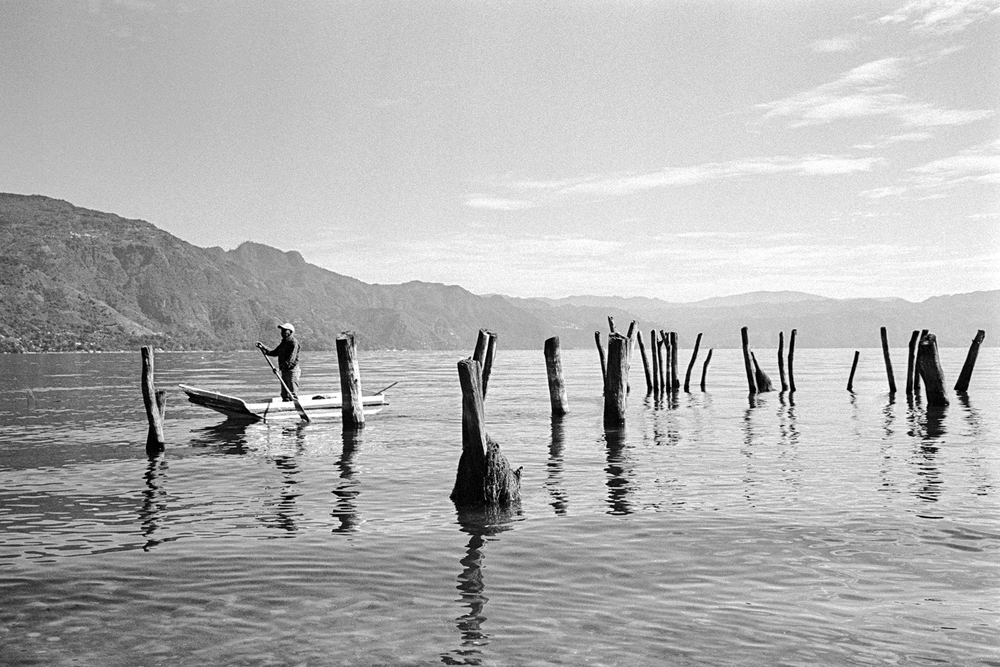
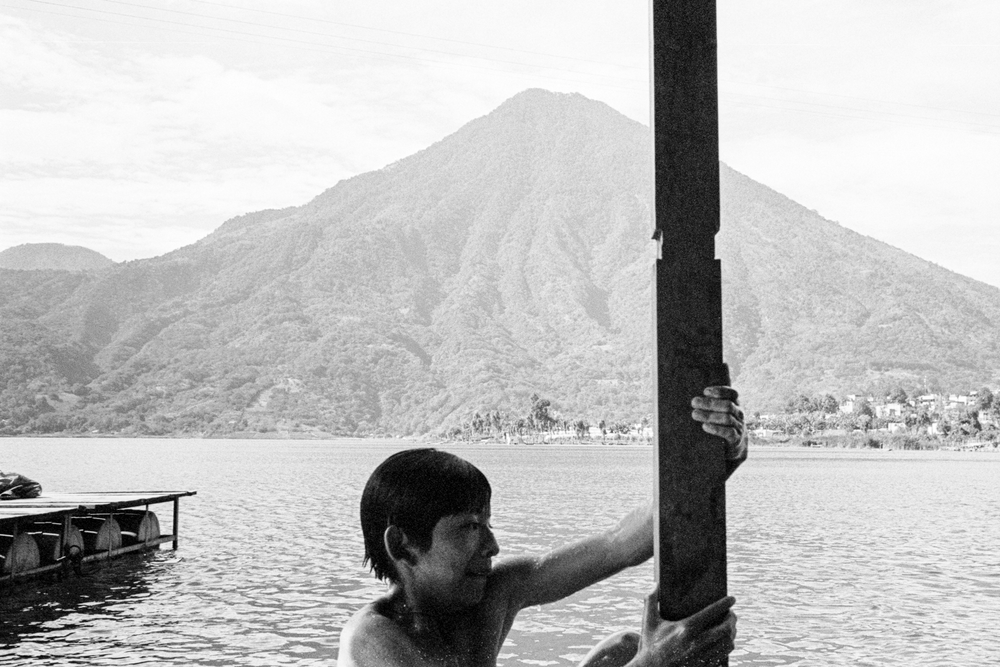
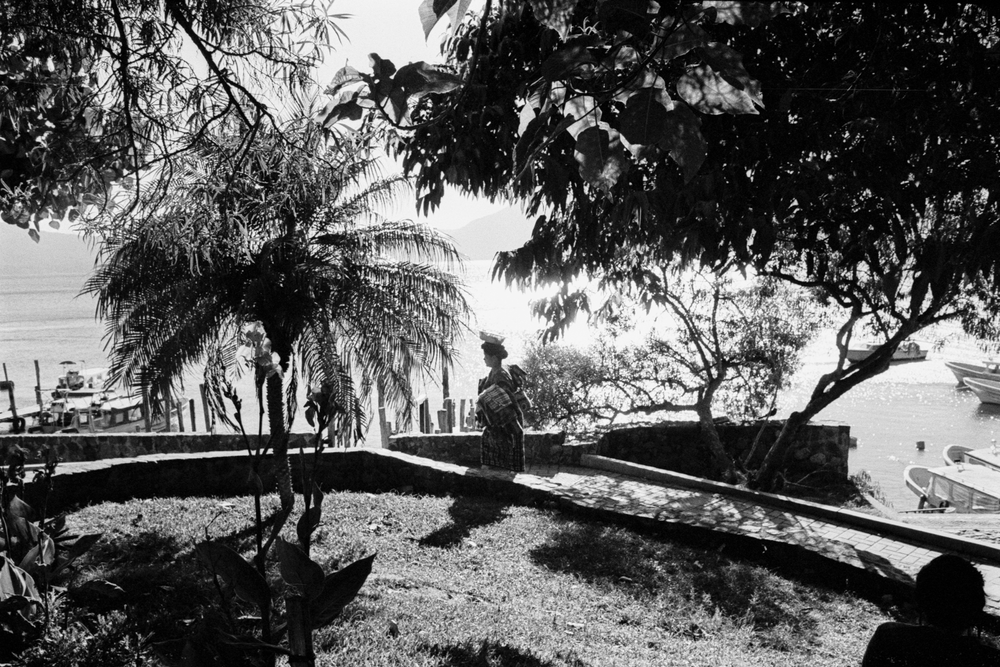
Lake Atitlán is a vibrant hub of life, offering a variety of water-based activities and nurturing the unique communities that call its shores home. San Pedro, Santiago Atitlán and Panajachel, Sololá
Nestled between the Pacific Ocean to the south and the northern Petén lowlands of Guatemala, the Guatemalan Highlands unfold as a region of extraordinary diversity and charm. With its majestic landscapes, towering volcanoes, and highland villages rich in indigenous culture, the Highlands beautifully illustrate the harmonious connection between nature and human heritage.
At the heart of this captivating region lies Lake Atitlán, often celebrated as one of the most beautiful lakes in the world. Surrounded by three majestic volcanoes, its shores are dotted with traditional Mayan villages, adding cultural richness to this aquatic gem.
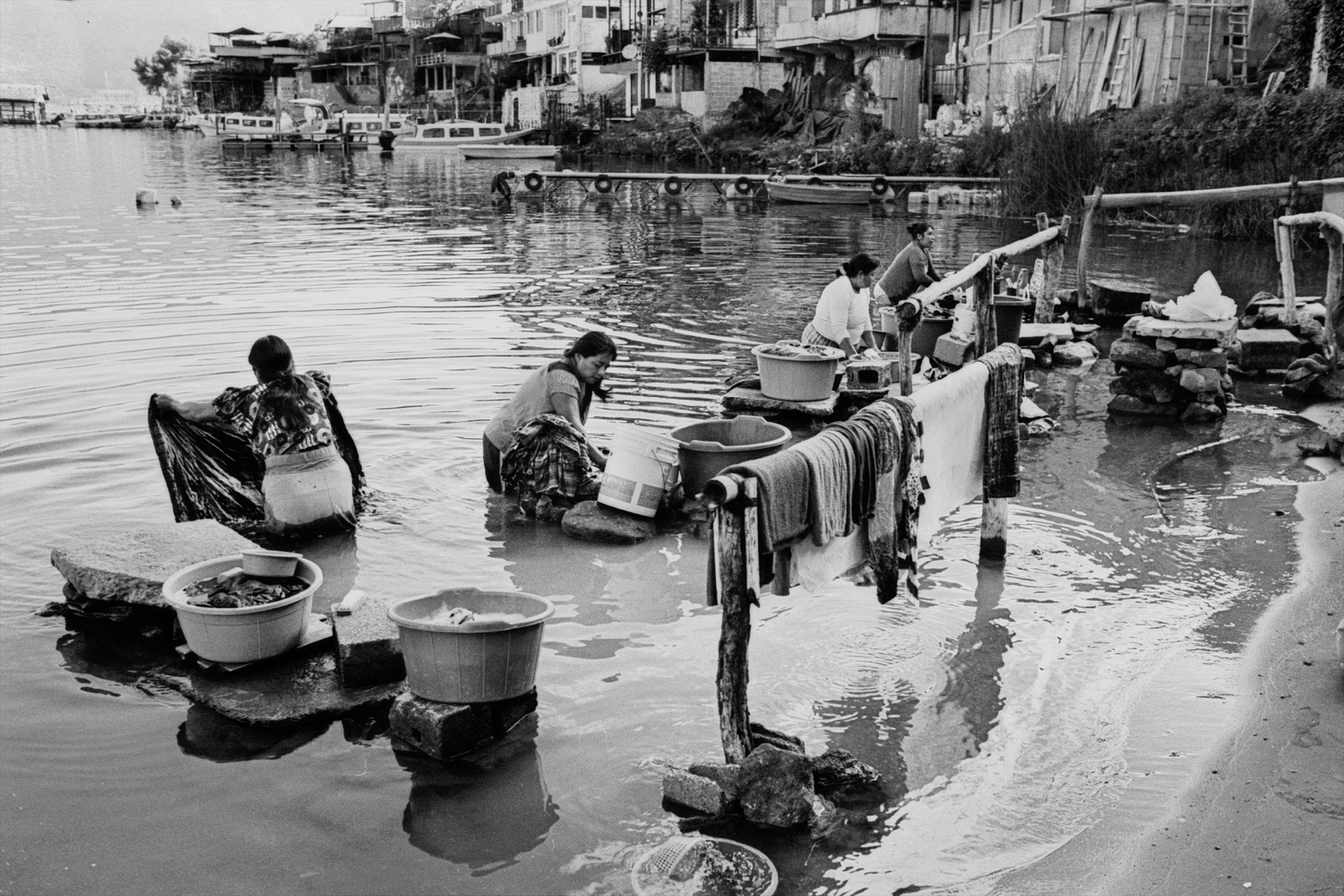
Women wash laundry in Lake Atitlán near San Pedro, Sololá
Washing clothes in Guatemala is an activity that fosters social bonding. While hand-washing is essential for delicate hand-woven or embroidered clothing, many argue that it is also more efficient than using a washing machine. Altough public wash basins (pilas) were built in most towns and villages to address ecological concerns, washing clothes in lakes or rivers remains a common practice for many indigenous women, who have continued this tradition since the days before running water was introduced to their homes.