La sed animal
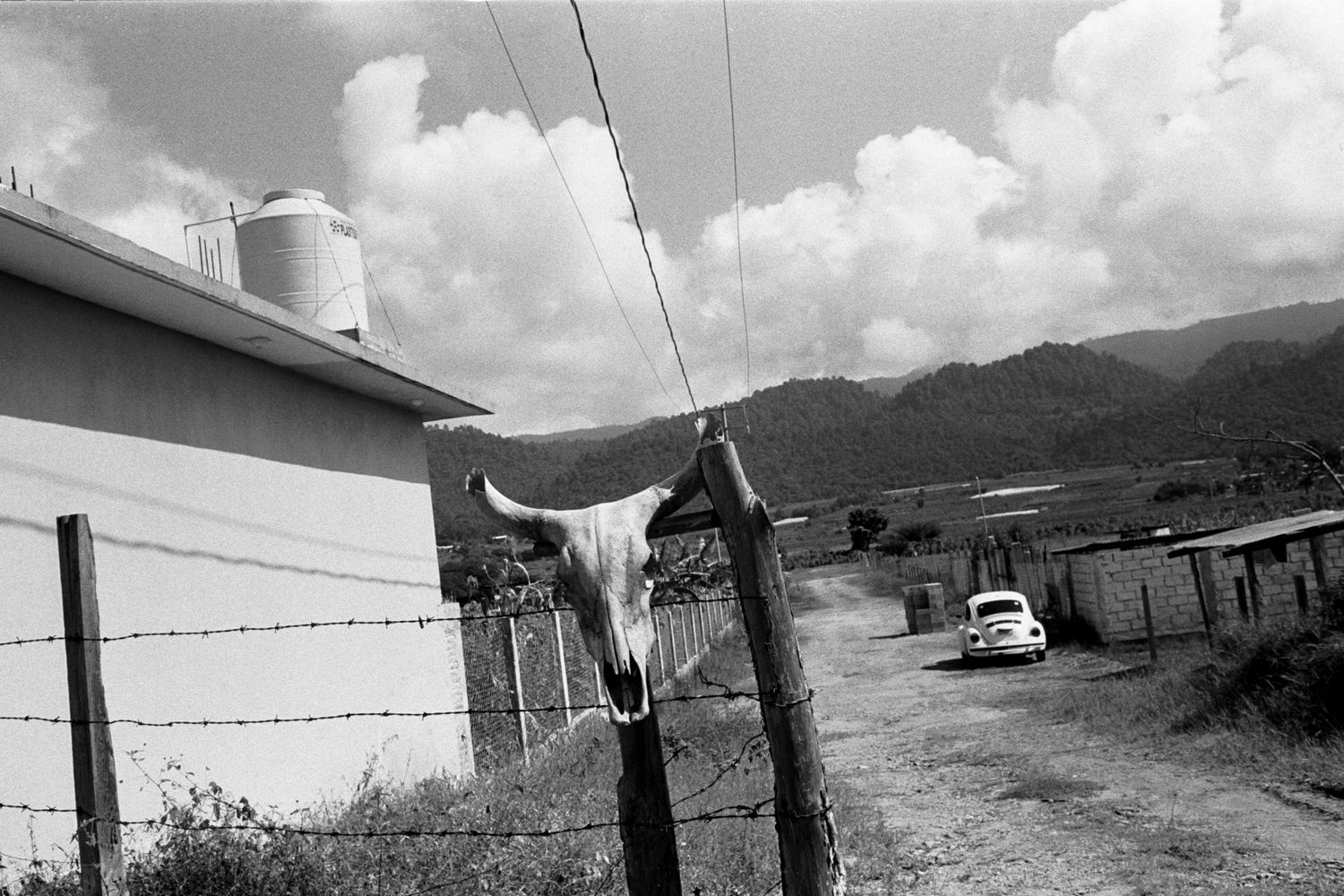
The entrance of a ranch with the popular Volkswagen Beetle 'Type 1' parking inside the property. Volkswagen's enduring and successful presence in Mexico began in 1954 when Mexican car enthusiast Prince Alfonso de Hohenlohe entered seven Beetles in the Carrera Panamericana. All seven completed the 3,211km race, demonstrating their long-term reliability. Amatenango del Valle, Chiapas
Mexico's social landscape is a vibrant tapestry woven with diverse cultural threads, where a myriad of identities, traditions, and perspectives intersect. It is a reflection of the country's complexity, diversity, and contradictions. While it grapples with social challenges and disparities, Mexico pulsates with resilience, creativity, and a strong sense of community.
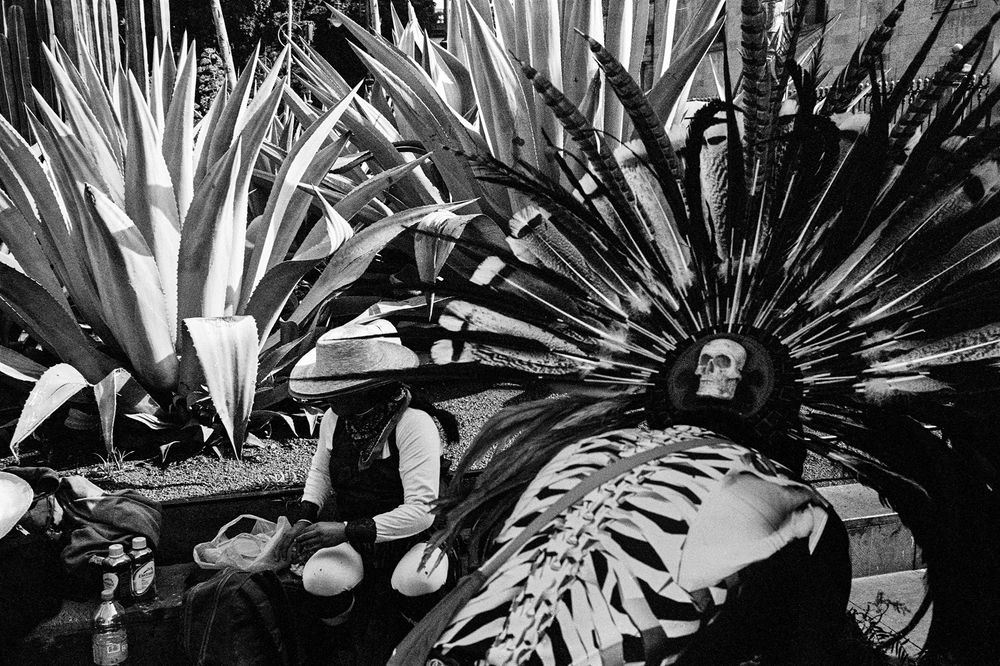
Aztec healer prepares for spiritual cleansing at the Plaza de la Constitución. Mexico City, State of Mexico
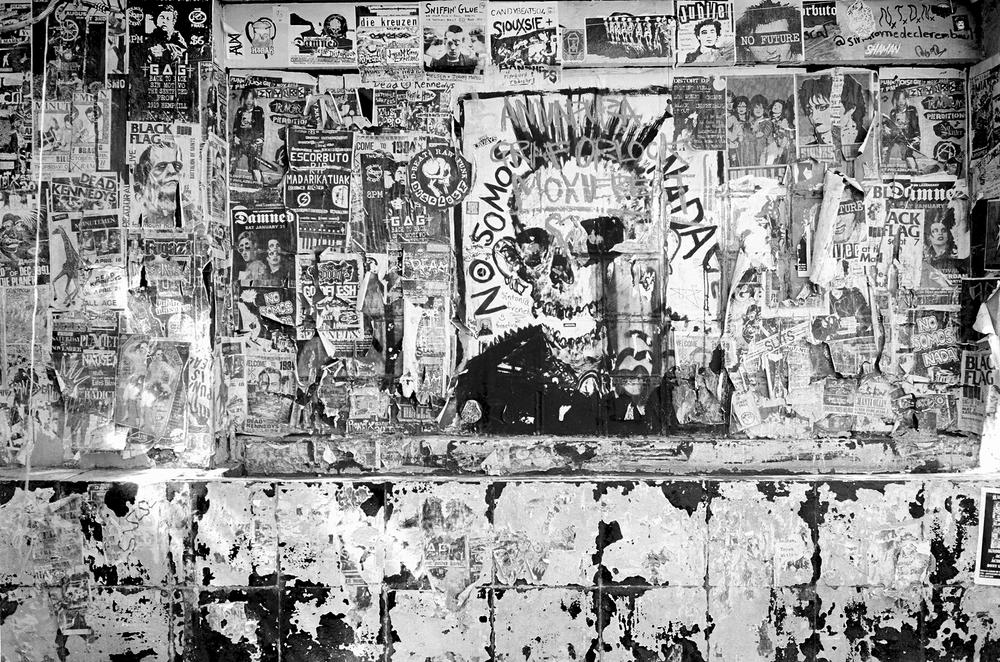
A weathered wall of a punk-rock bar with countless tattered posters, serves as a canvas for the chaotic tapestry of music history. Mexico City, State of Mexico
Mexico has one of the largest and most diverse indigenous populations in Latin America with an estimated 68 indigenous communities (National Commission for the Development of Indigenous Peoples). The majority of the indigenous population is concentrated in the southern and south-central region of Mexico. Over two fifths of those who speak an indigenous language live in three states: Oaxaca, Yucatán and Chiapas. The most predominant language spoken by indigenous people is Náhuatl, followed by Maya, Tzeltal, Mixteco and Tzotzil.
Indigenous culture is considered to be at the heart of Mexican society. Mexico is proud of its ancient Maya and Aztec monuments, and indigenous dances, crafts and markets, which contribute significantly to the country’s appeal to tourists.
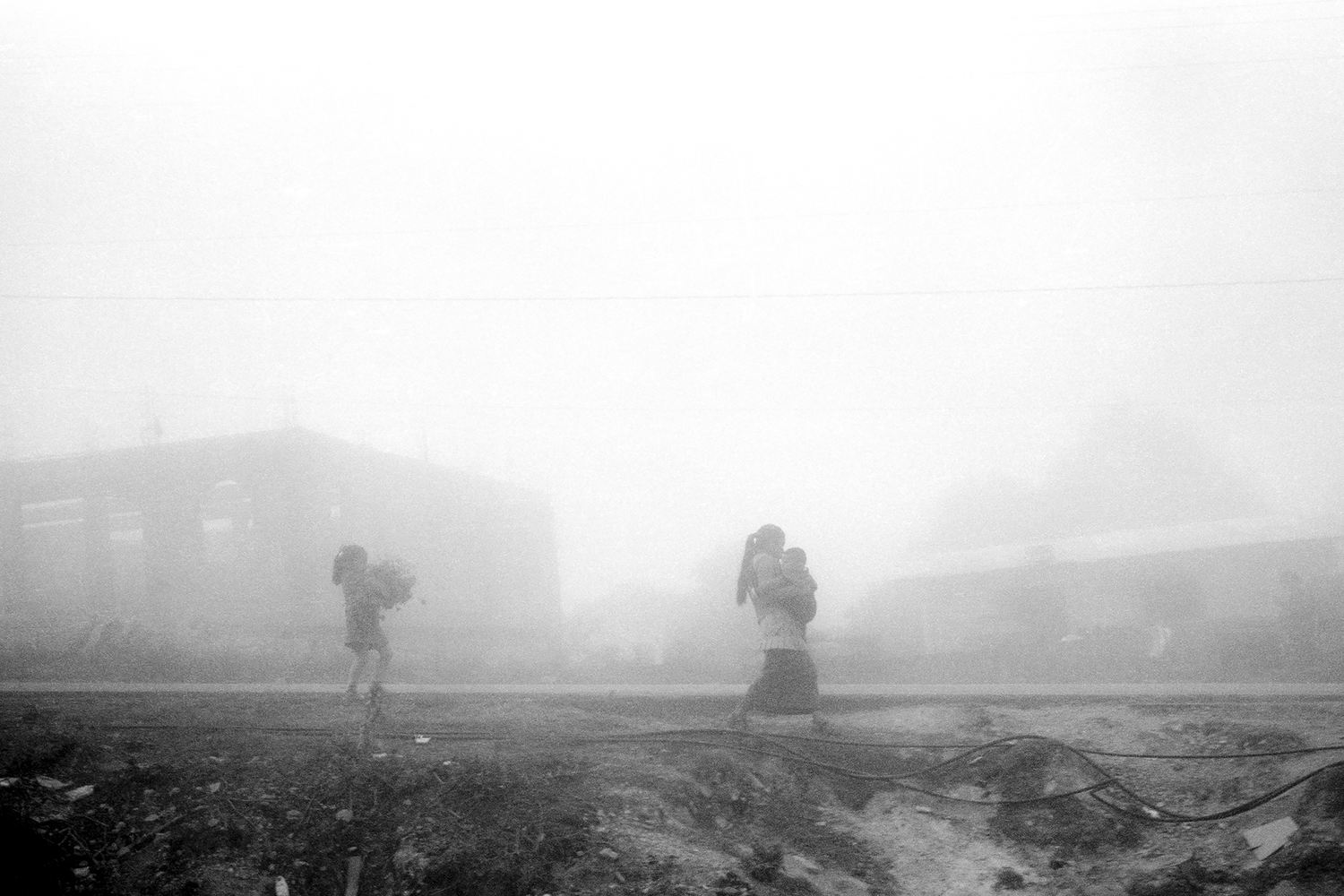
Families throughout Mexico collect marigolds, which are used to decorate graves, altars, and create intricate floral arrangements to honor the ancestors. Zacualpa Ecatepec, Chiapas
Marigolds, known as "cempasúchil" or "flor de muerto" in Spanish, play a central role in the tradition of Dia de los Muertos (Day of the Dead). The use of marigolds originated with the ancient Aztecs, who believed that the strong aroma and vibrant color of marigolds could help guide the souls of the deceased back to the world of the living during the Dia de los Muertos festivities.
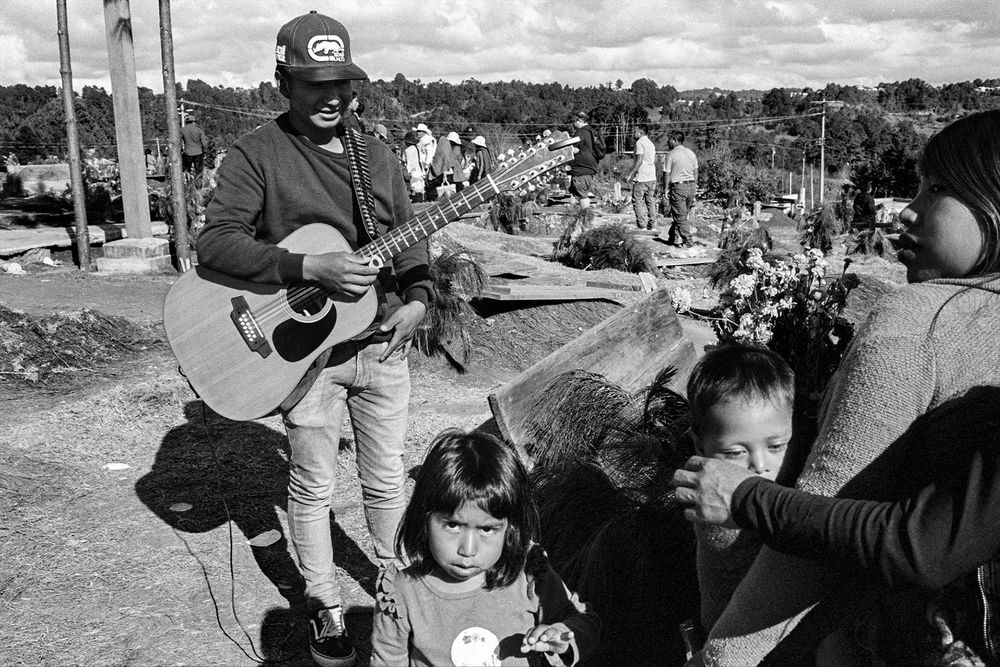
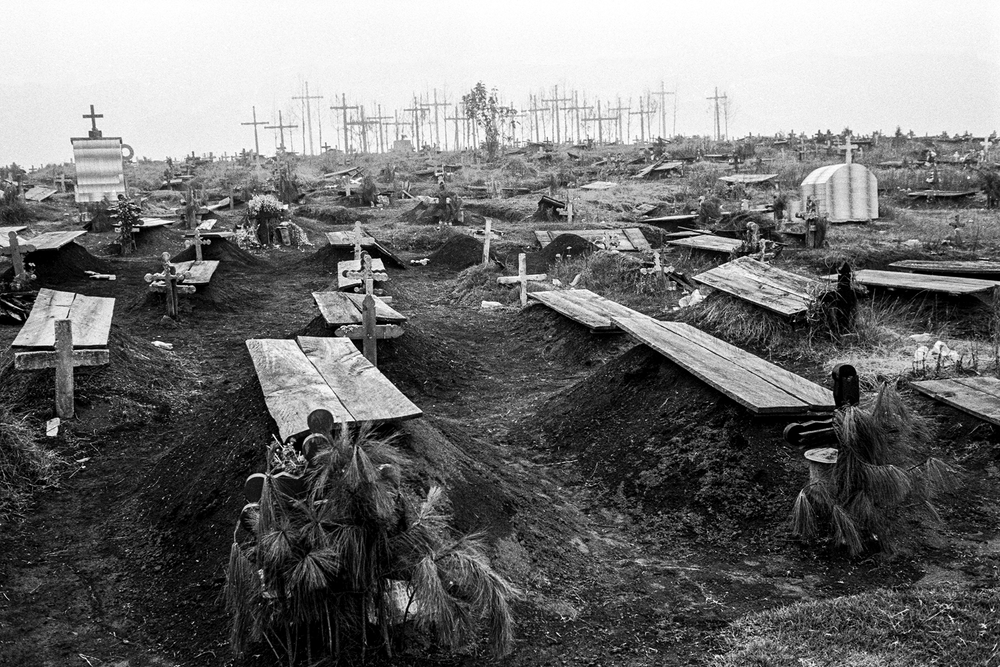
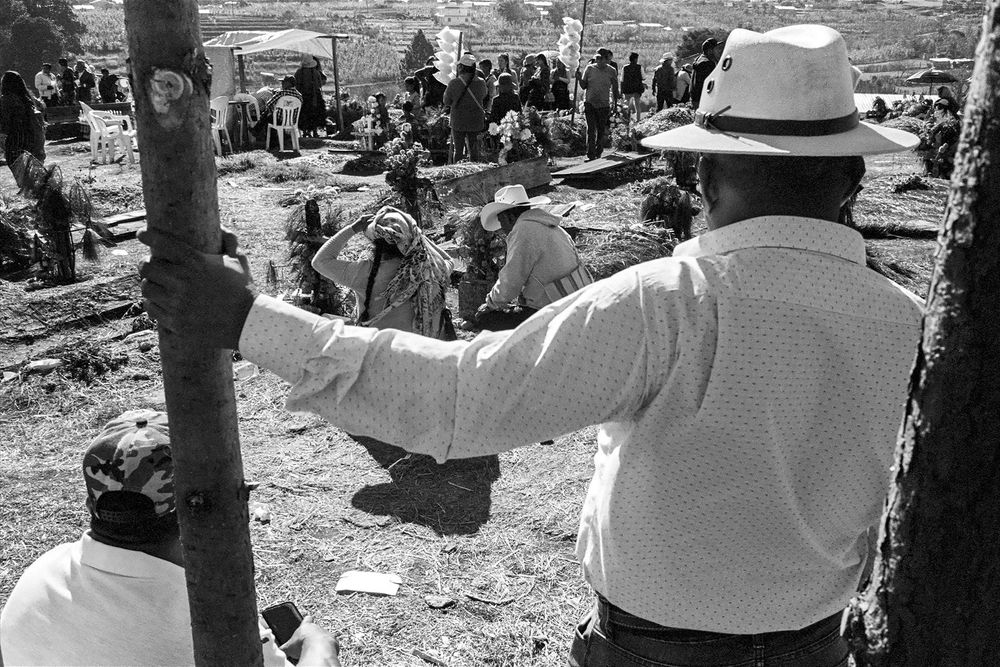
Dia de Muertos in the cemetery of Romerillo, Chiapas
Ancient Mayan rituals revolve around maintaining harmony between darkness and light, earth and air, sorrow and joy. The celebrations span during daytime as a tribute to the Mayans' reverence for the sun. The loved ones rest beneath mounds of earth, where their spirits are safeguarded with the placement of a wooden board atop the burial site. These boards remain in place until the spirits are ready to be summoned for contact during Dia de Muertos. Despite the contemporary influences, local indigenous communities carefully preserve their customs, traditions, and way of life in Romerillo. Each year, thousands gather not only to pay tribute to their deceased relatives but also to celebrate the essence of family life.
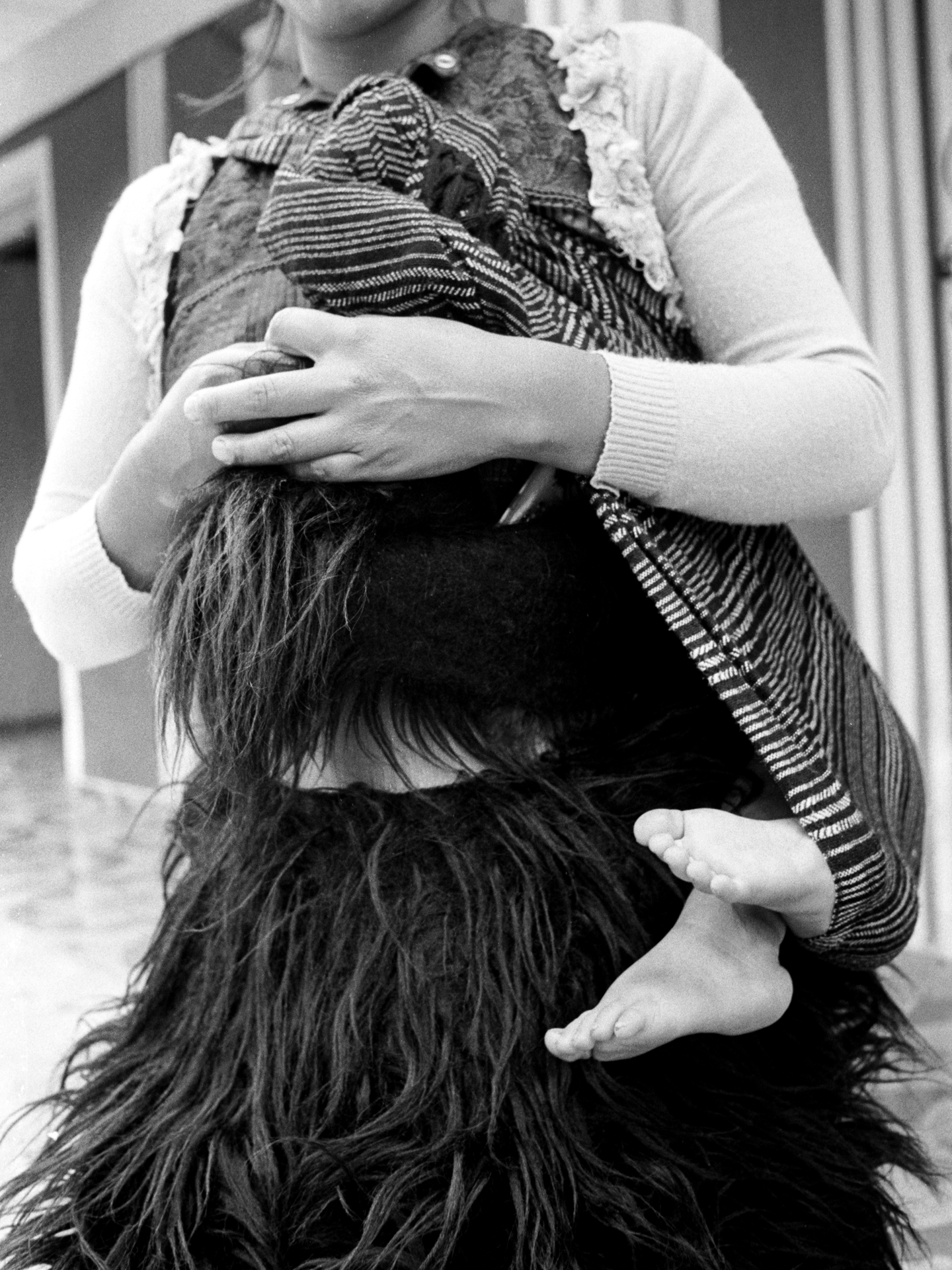
The Tzotzil Mayans in Chiapas have a longstanding tradition of utilizing wool to craft their distinctive garments. Sheep are raised exclusively for their fur, which is then transformed into traditional clothing items. Among these, women commonly wear unique black wool skirts that are meticulously crafted using ancient techniques. The process involves shearing the sheep, washing, carding, spinning, naturally dyeing the wool, and weaving the fabric on a backstrap loom. These skirts are essentially one-size-fits-all rectangles made of wool, with the sides stitched together to form a large square tube. They are worn by gathering the waist and securing it with a belt.
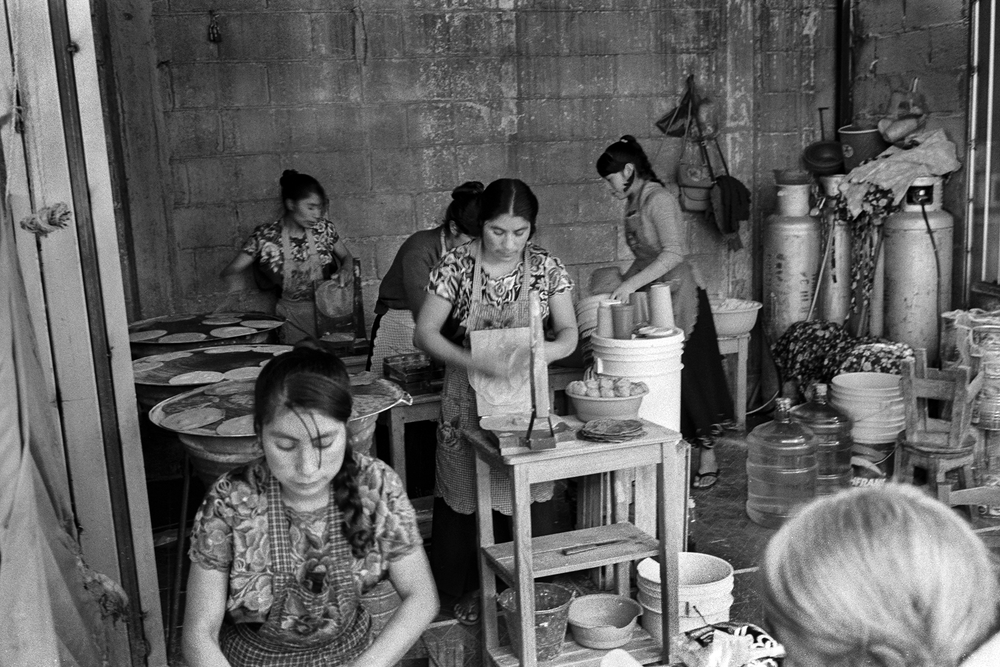
Women prepare maize and make tortillas in Mercado Viejo (Old Market) in San Cristóbal de las Casas, Chiapas
First made by the indigenous people in Mesoamerica before colonization, tortillas are a cornerstone of Mesoamerican cousine. There are more than 50 native corn races that are grown in Mexico, all varying in their culinary and gastronomic characteristics. Those made from nixtamalized maize meal (maize cooked in alkaline water) are the oldest varieties of tortilla, originated in Mexico and Central America, and remain popular throughout the Americas.
Towards the end of the 19th century, the first mechanical utensils for making tortillas, called tortilla presses, tortilleras, or tortilladoras, were invented and manufactured in Mexico. Despite the importance of fresh nixtamal in the Mexican diet, most of the attention on nixtamalization has been focused on the production of industrial nixtamal.
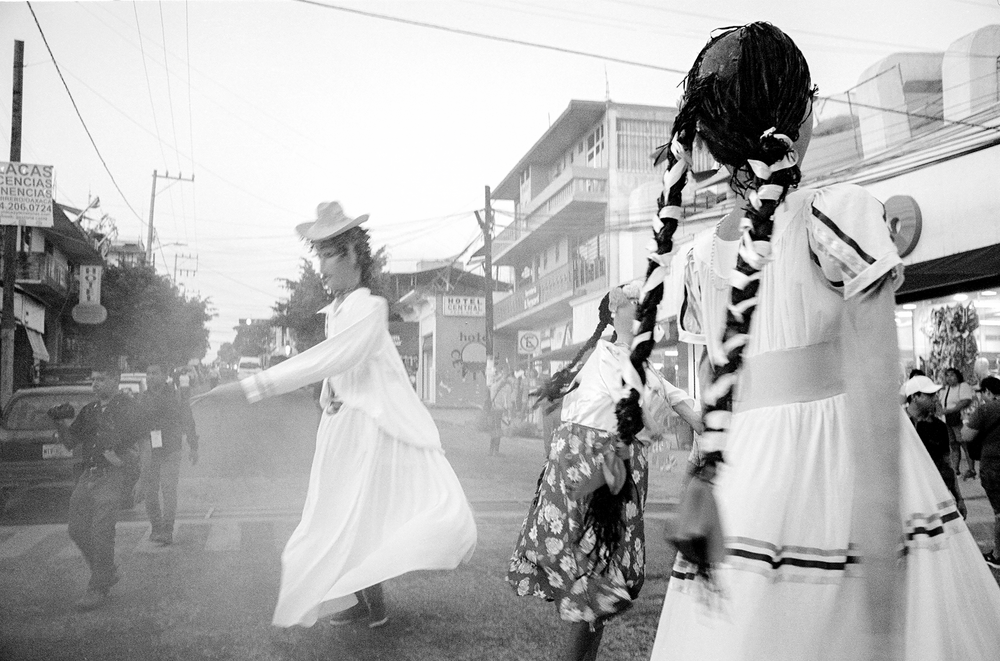
Monos de calenda in Puerto Escondido, Oaxaca
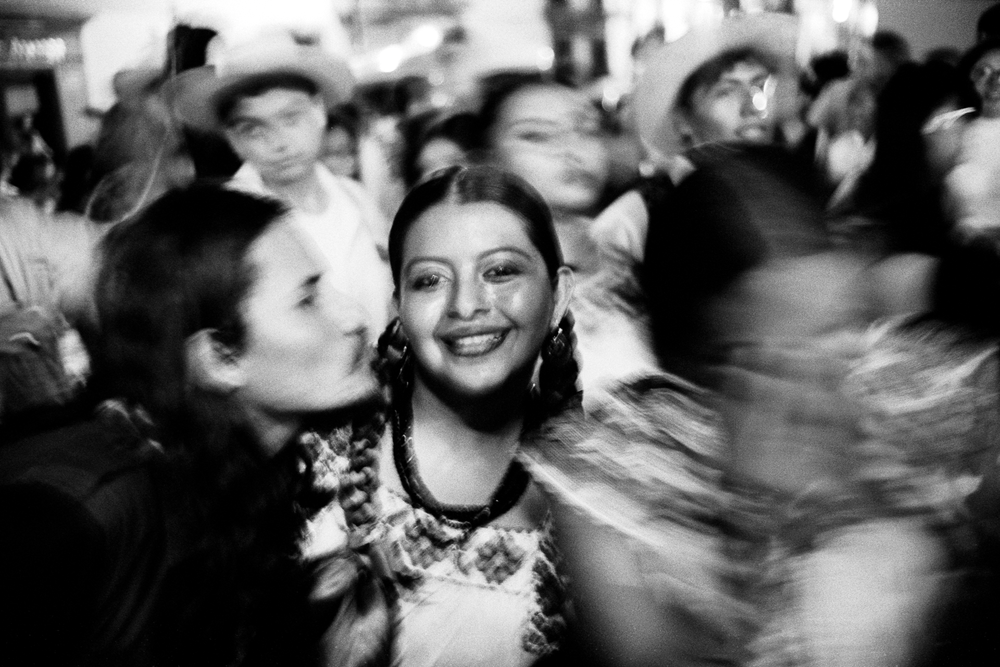
Calendas bring the community together through constant laughter, dance and joy. Oaxaca de Juárez, Oaxaca
Calendas are a fundamental part of the festivities in Oaxaca where many people celebrate anything they have accomplished with their friends and families and leave all of their worries behind.
Monos de calenda are giant paper-maché puppets with arms that move in any direction, attracting the attention of everyone marching in the parade. One would step into the puppet as if it were a custome and could dance as freely and graciously as they wanted.
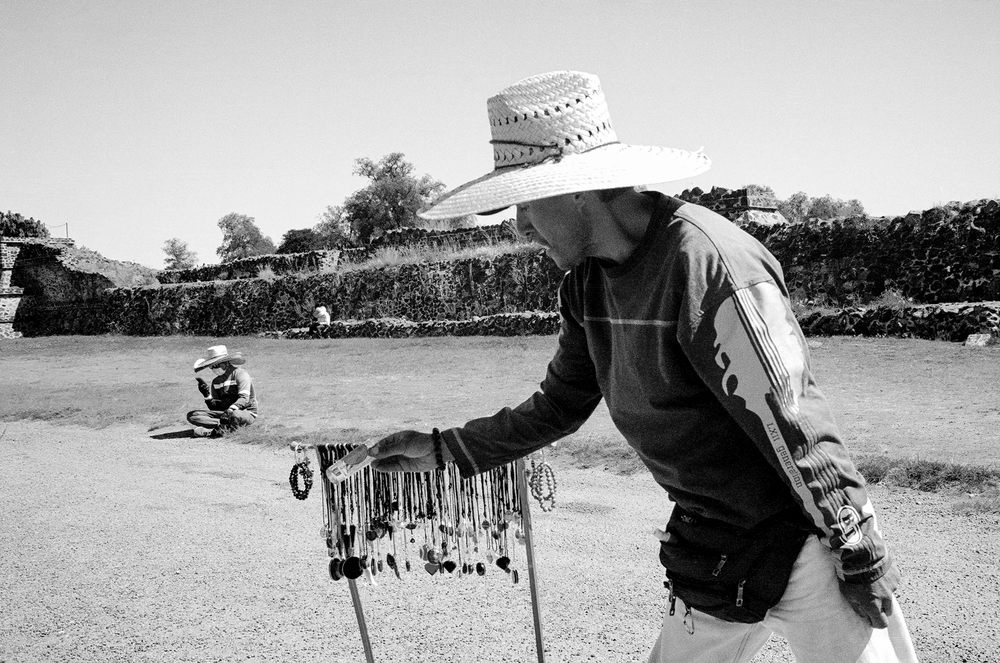
Souvenir vendors at the Teotihuacan Archeological Site
The ancient city of Teotihuacan is located in a sub-valley of the Valley of Mexico, located about 40 kilometers northeast of Mexico City. The city emerged as Mesoamerica's largest and most influential metropolis in the Middle Classic period (A.D. 450-600). With its population estimated over 100,000, it was the largest city in the Americas and at least the sixth largest in the world during its epoch. Its name was given by the Aztecs long after the fall of the city and translates as "the place where gods were created". Apart from the pyramids, Teotihuacan is also significant for its complex, multi-family residential compounds, the Avenue of the Dead, and its vivid, remarkably preserved murals.
Teotihuacan's expansive archaeological site, dominated by the towering pyramids of the Sun and Moon, offers a breathtaking panorama. The popularity of hot air ballooning near this UNESCO World Heritage has contributed to the region's tourism growth, drawing visitors from around the world to experience its stunning landscapes and rich history.
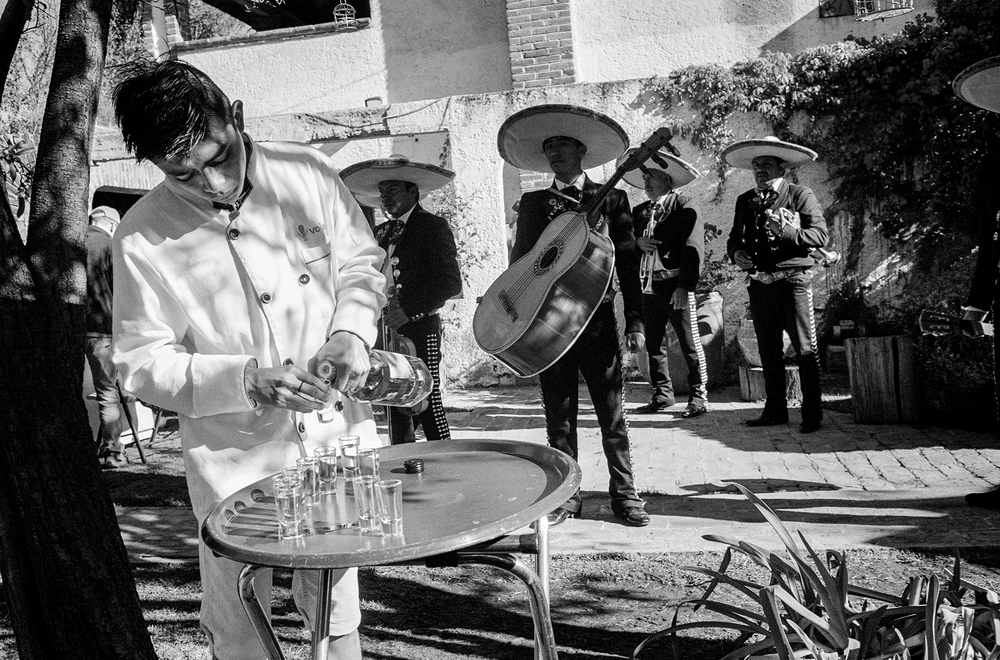
A boy serves tequila for tourists during the performance of a mariachi band near Teotihuacan, State of Mexico
Tequila, often hailed as Mexico's national spirit, is much more than just a drink; it is an integral part of the country's cultural heritage and identity. Its origins can be traced back to the ancient Aztec civilization. Unlike other spirits that rely on grains or fruits, tequila is made under strict regulations from the extracted juice of the agave plant's core, or "piña". These piñas are traditionally steamed in above-ground brick ovens. Autoclaves, essentially industrialized pressure cookers, are a contemporary alternative. And now, some large producers controversially employ diffusers as a shortcut, which many agave experts liken to a microwave. Genuine, authentic tequila must come from one of Mexico's authorized tequila regions: Guanajuato, Jalisco, Michoacan, Nayarit, or Tamaulipas.
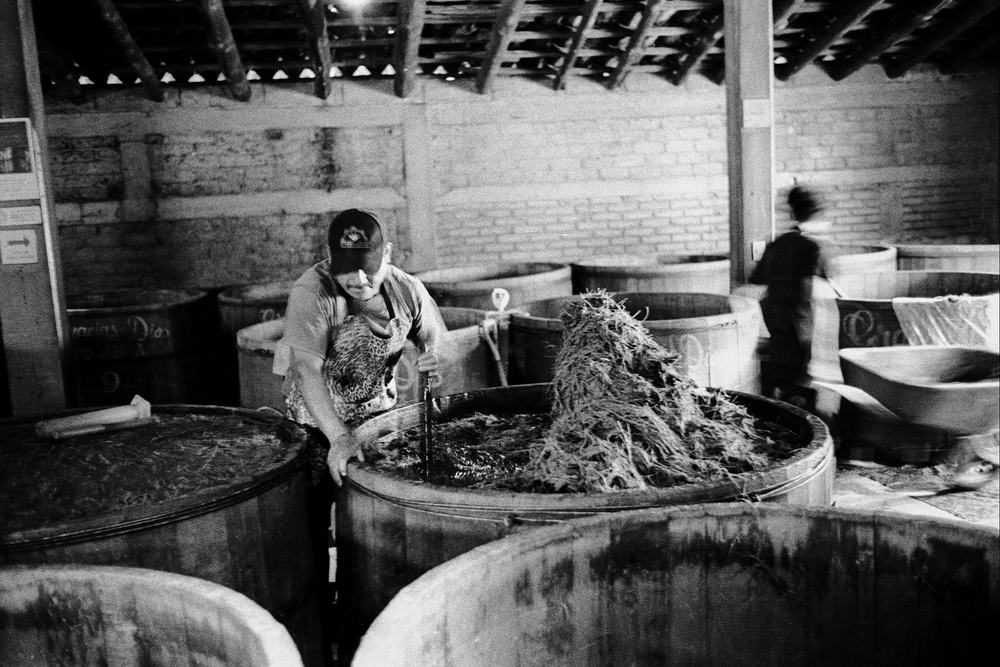
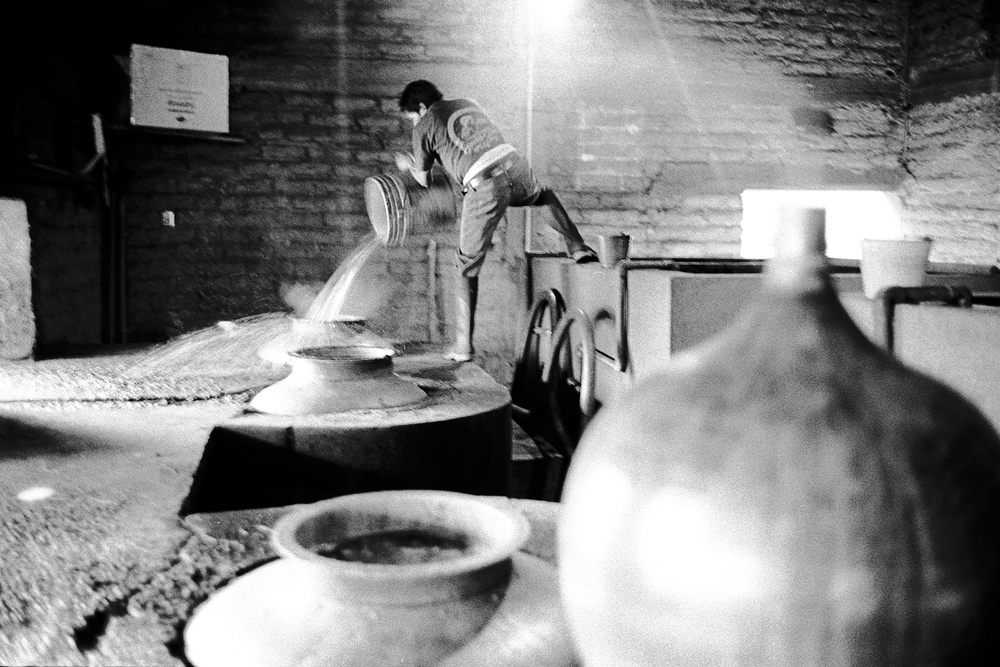
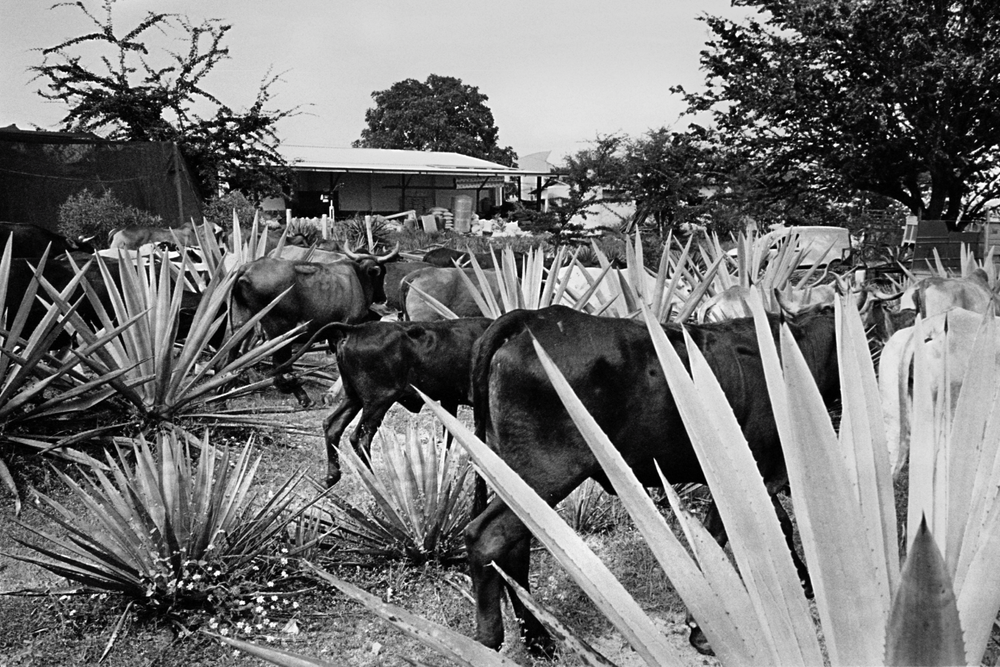
Mezcal is often more expensive than tequila, primarily due to its artisanal production methods. The agave plants can take up to 35 years to mature and may yield less liquid per batch compared to the blue Weber agave. Mezcal is typically produced in smaller batches by local producers in rural villages, which also contributes to higher exportation costs. Santiago Matatlán, Oaxaca
While tequila has been more familiar to global audiences, mezcal boasts a longer history that predates tequila. A common saying captures their relationship: "All tequila is mezcal, but not all mezcal is tequila." Mezcal refers to any spirit distilled from agave, though its production process differs slightly from that of tequila.
To make mezcal, the piñas are roasted in wood-fired, rock-lined pits rather than being steamed. Additionally, mezcal can be crafted from over 40 different agave species, with espadín being the most popular. In contrast, tequila is exclusively made from blue Weber agave. Tequila's widespread popularity has led to its industrialization, a trend less common in mezcal production.
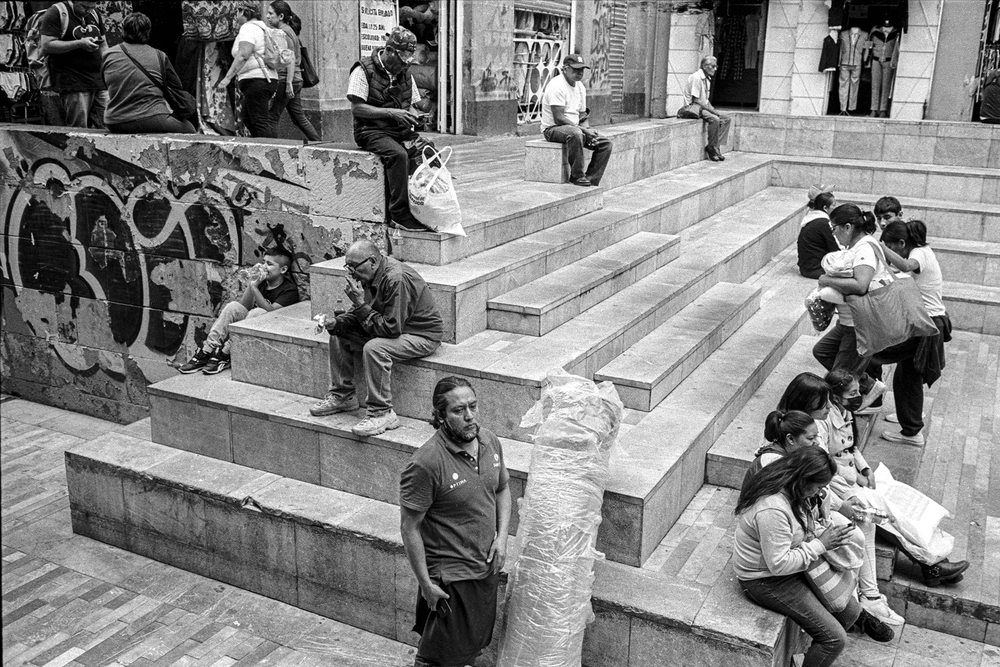
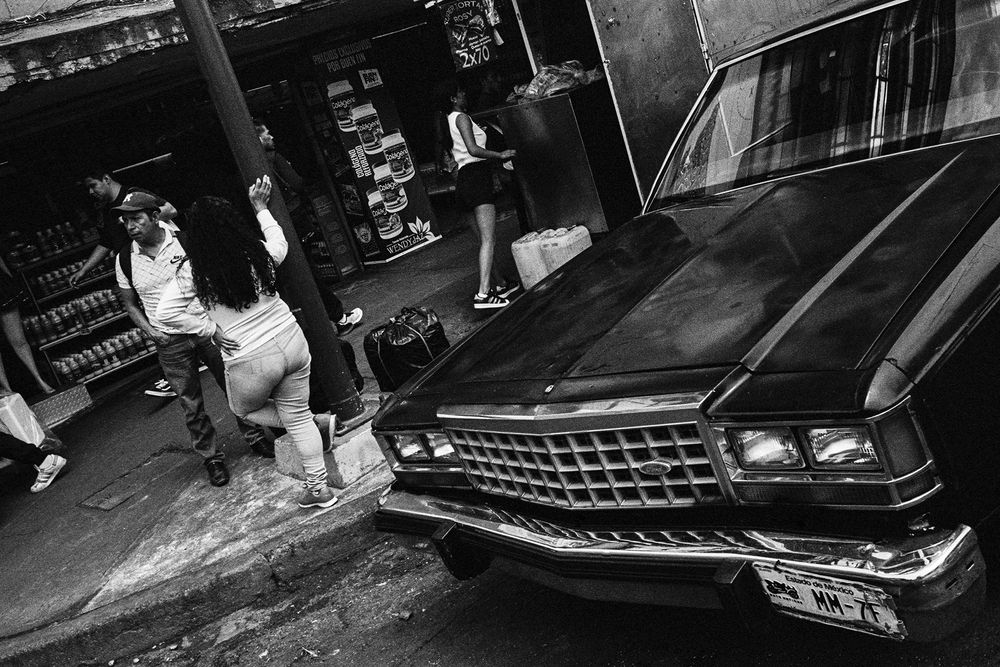
Due to the extreme urban growth since the 1950s, the population of Greater Mexico City today is 21.8 million, which makes it the 6th largest metropolitan area and the largest Spanish-speaking city in the world. Mexico City, State of Mexico
The social diversity of Mexico is well reflected in the capital's demographics. Mexico City is home to a large numbers of immigrants from Canada, the United States, Colombia, Argentina, Guatemala, El Salvador, Cuba, Haiti, Spain, Germany and the Middle East, especially from Egypt, Syria and Lebanon. Most recently, there has been an influx of immigrants from South Korea and China.
With its population that encompasses indigenous communities, mestizos, Afro-Mexicans, and people of diverse ethnic backgrounds, Mexico city celebrates its multicultural heritage.