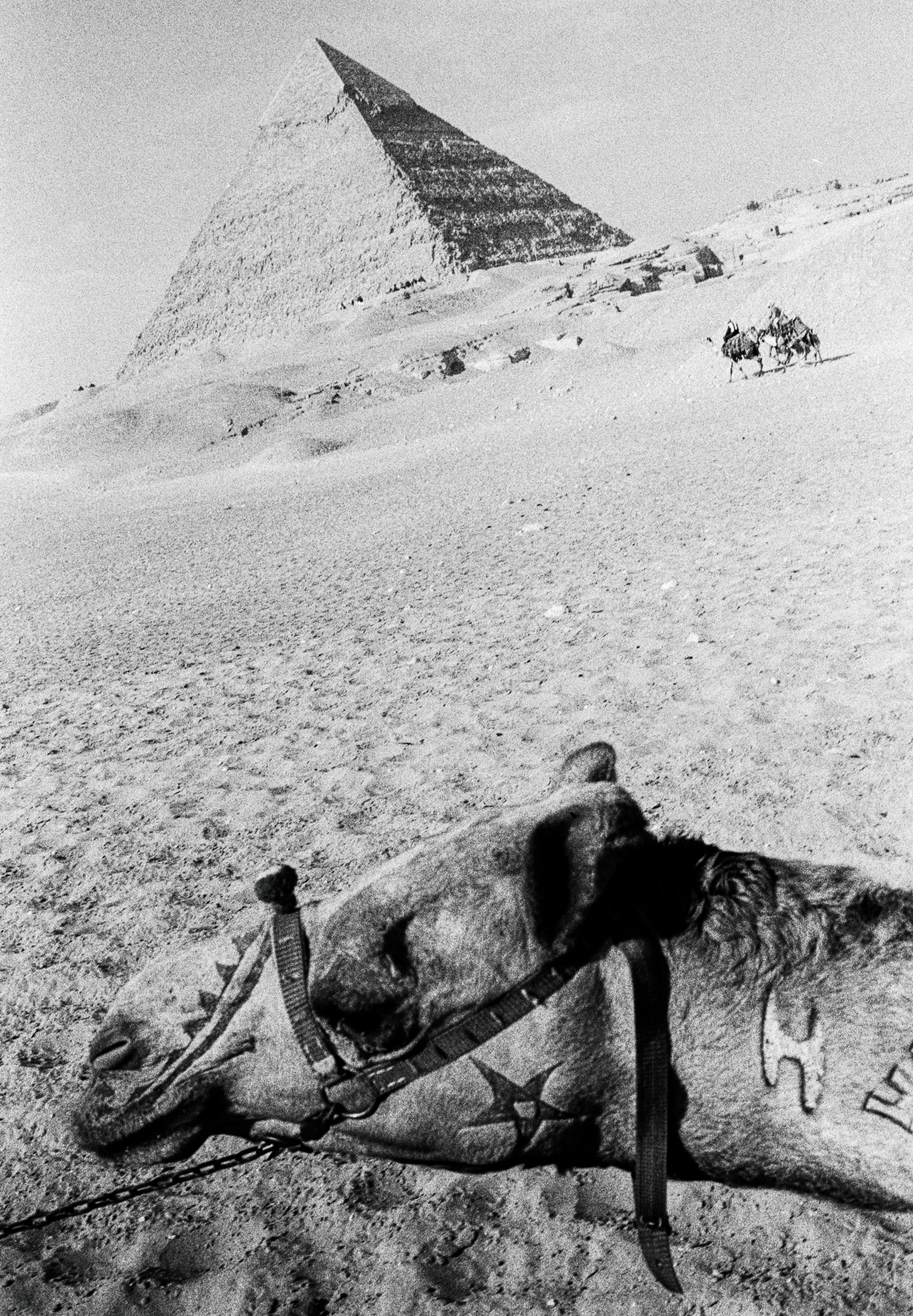
Hollow crown
Egypt, the once-powerful and revered autorithy, now seem to exist only in form, not substance. Behind the country’s legacy lies a vast emptiness—a kingdom that still wears the crown of its past but has nothing solid to support it. The splendor of the ancient empire remains buried, hidden beneath layers of neglect, poverty, and exploitation, both literally in its artifacts and metaphorically in its diminished reputation.
The desert slowly erodes Egypt’s physical and cultural heritage. Centuries of subjugation and mismanagement have exacted a heavy price. The golden era has been reduced to ashes, leaving behind only a faint reminder of the former glory of this magnificent ancient culture.
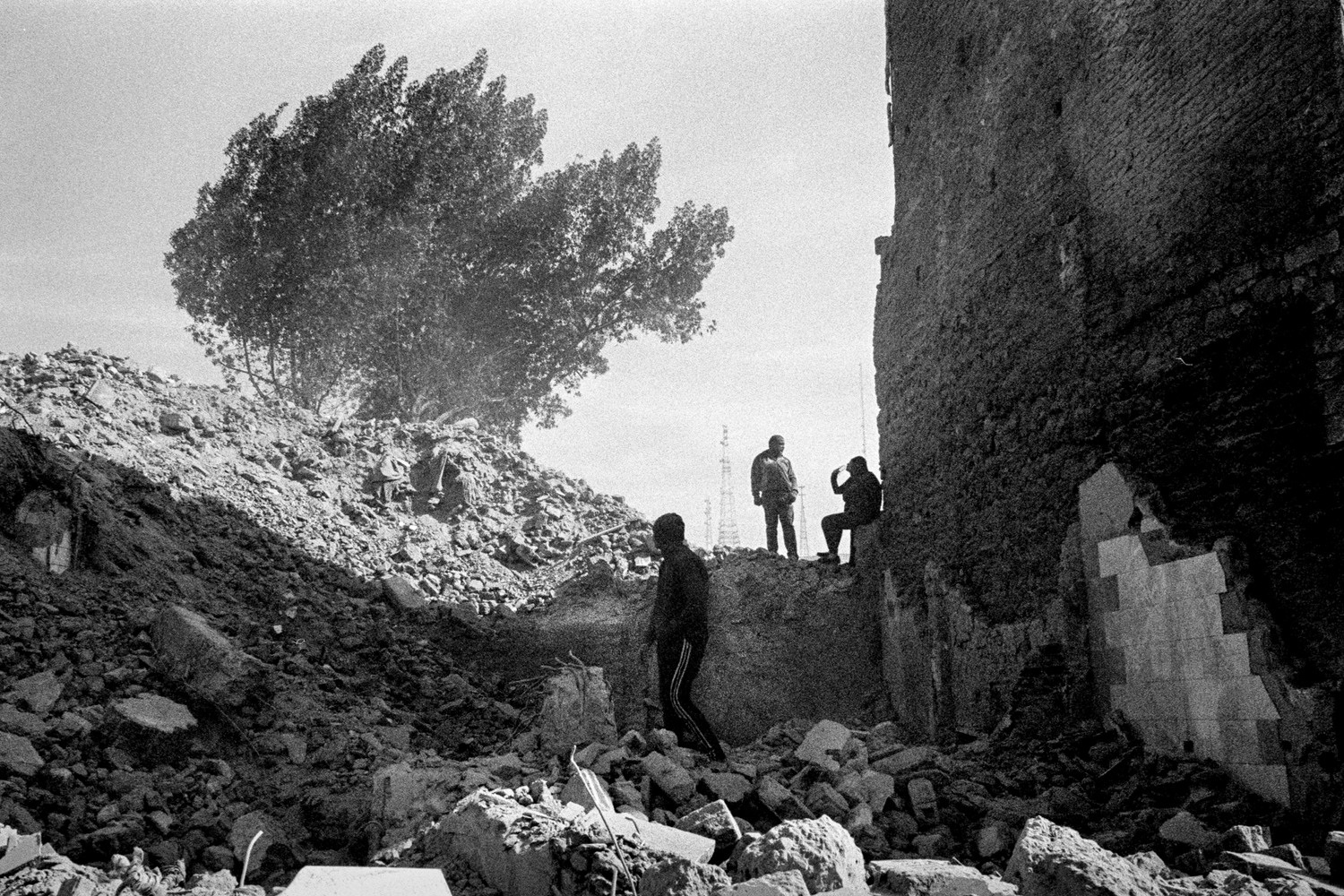
The Egyptian authoritarian model looks at the past rather than future. And once again, the country is a house of cards built on a weak economic foundation. Cairo, Cairo Governorate
Egypt's brief experiment with free elections following the 2011 uprising ultimately gave way to the most authoritarian government since the 1970s. Though the uprising began as a push for greater democracy, the military openly regained control within two years.
Today, Egypt is led by President Field Marshal Abdel Fattah el-Sisi, who is criticized for lacking moral authority, genuine leadership qualities, and a meaningful connection with the people. Previously serving as Defense Minister under the former presidency, Sisi remained in his post after Morsi's removal until 2014, when he retired from the Egyptian Armed Forces and subsequently won the presidential election.
Sisi’s rise to power marked a return to the autocratic governance of the Mubarak era, undermining the democratic hopes that had fueled the 2011 uprising. Under his leadership, Egyptian security forces launched a severe crackdown on dissent, detaining and torturing thousands of perceived political opponents.
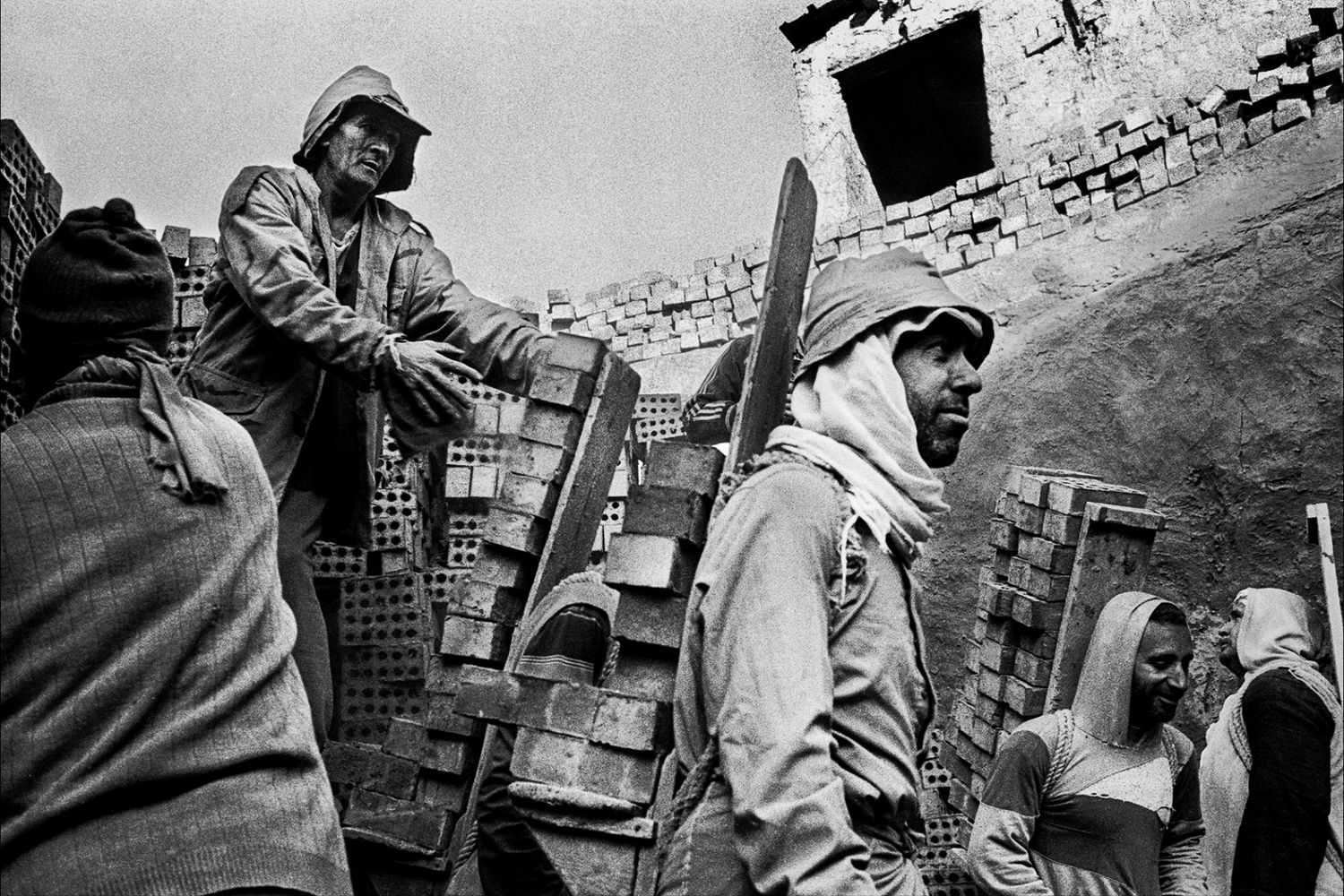
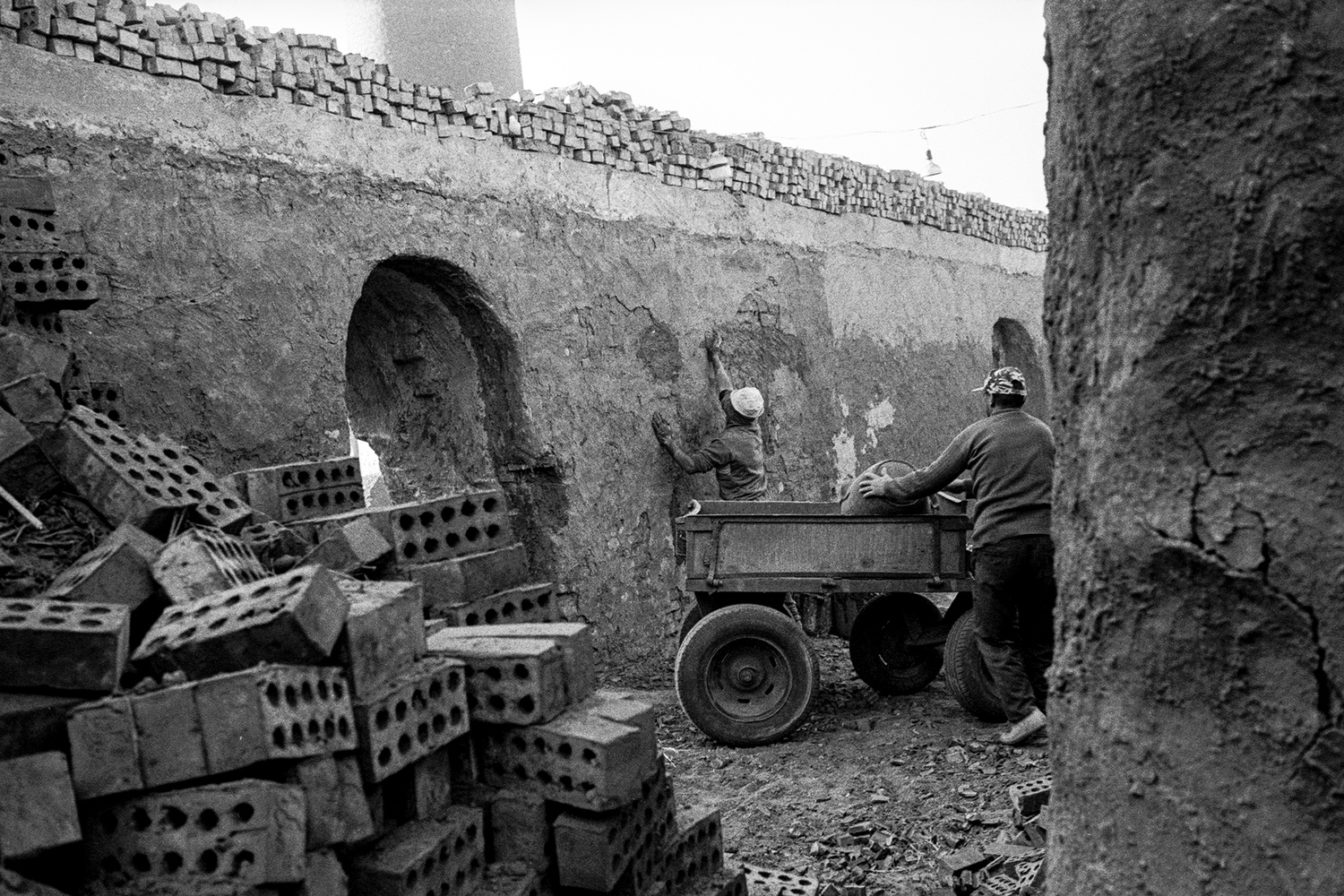
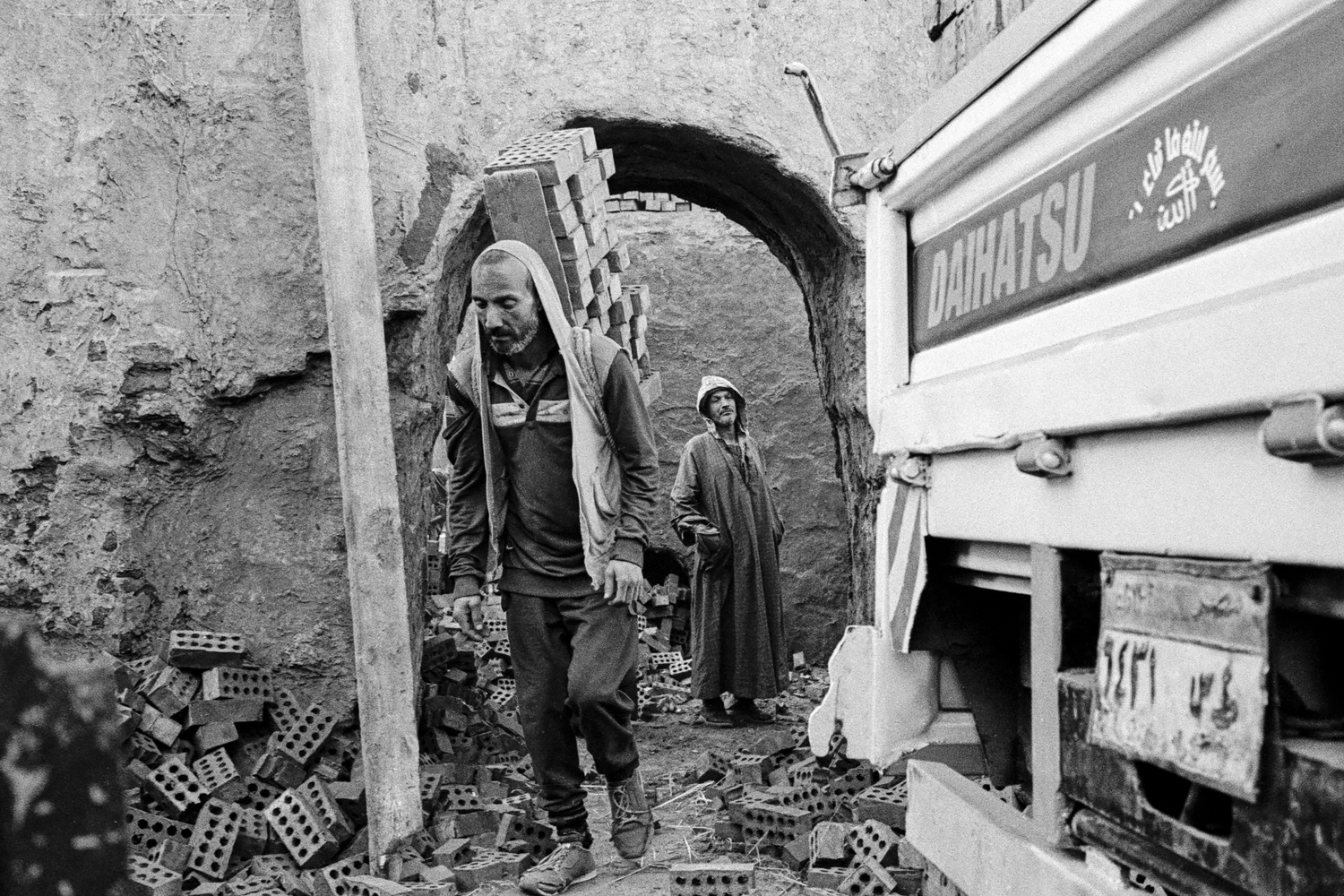
Red brick factory workers near Al Manashi. The working conditions for laborers are extremely harsh: the exhausting twelve-hour shifts of strenuous manual labor for a meager wage, all without any safety equipment, put the workers at a high risk of injury. Al Manashi, Giza Governorate
Despite ambitious infrastructure projects, living standards showed little improvement. By 2021, the anticipated economic benefits of these projects had yet to materialize, leaving the country in a precarious economic state. Global supply chain disruptions further exacerbated the situation, and in 2022, inflation surged following Russia’s invasion of Ukraine, which significantly impacted Egypt's food, energy, and tourism markets.
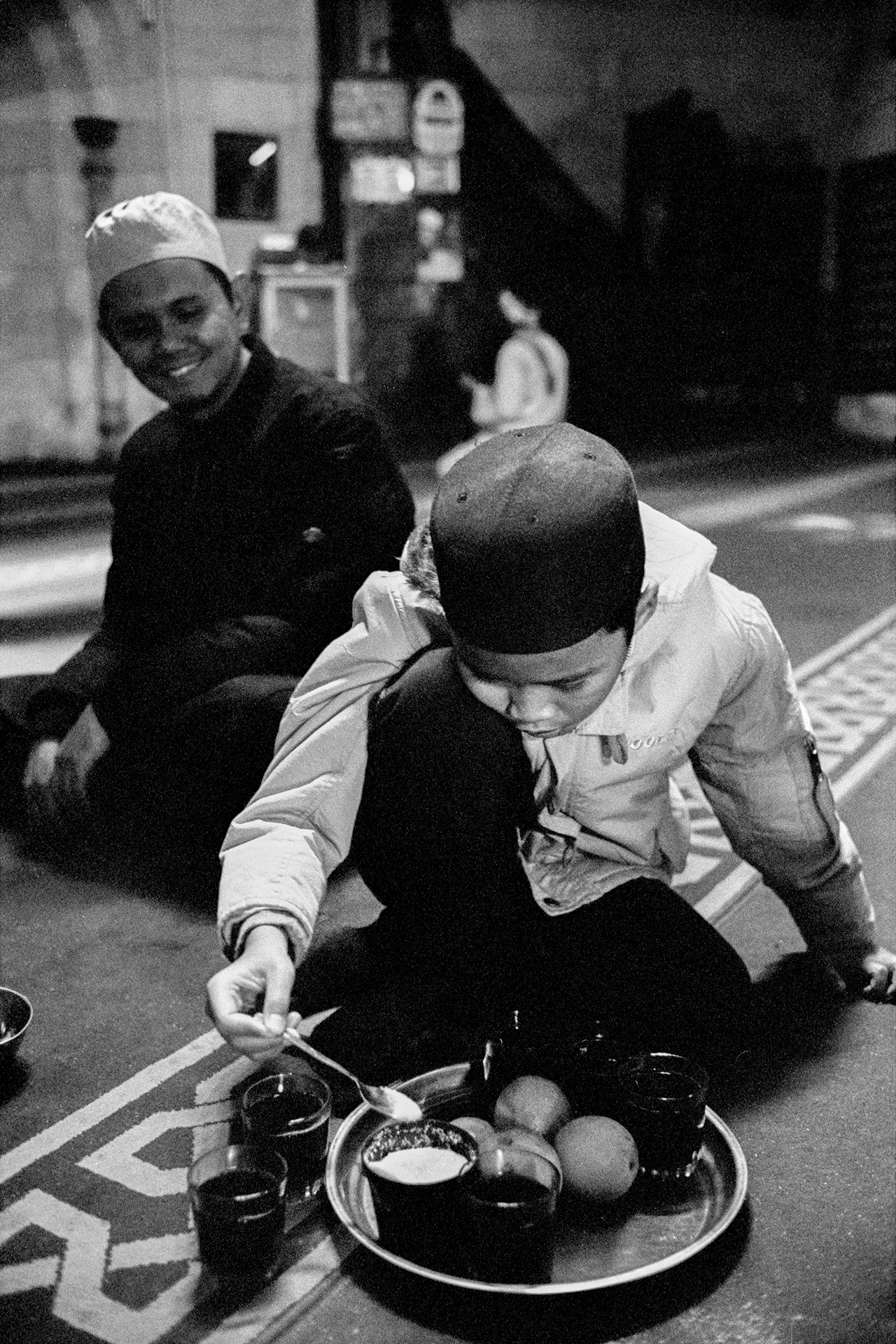
Since the 1930s, Al-Azhar University - one of the world’s oldest and most respected centers of Islamic learning - has been a top destination for students from Muslim-majority countries. It offers in-depth studies in Islamic theology, Sharia law, the Arabic language, and Quranic studies. In Malaysia, a country where Islam is the official religion, studying at Al-Azhar is seen as a prestigious achievement. Many Malaysian students who aspire to become religious scholars, imams, or Islamic educators view Egypt as the ideal destination for their education.
Education in Egypt is highly affordable compared to Western countries or even some parts of Asia. Tuition fees at Egyptian universities, along with the relatively low cost of living, make it easier for Malaysian students to cover expenses such as housing, food, and transportation.
The Malaysian government, along with various state religious councils and private organizations, provides scholarships and financial aid for students in Egypt. These scholarships are often targeted at students studying Islamic theology, medicine, and dentistry, fields in which Egyptian universities excel.
The shared Islamic heritage between Egypt and Malaysia fosters a sense of familiarity and belonging for Malaysian students. The majority of Malaysia’s population is Muslim, and they find Egypt’s predominantly Muslim culture welcoming. Religious practices, such as daily prayers, Ramadan observances, and halal food, align closely with their own way of life, making the transition to studying abroad less daunting.
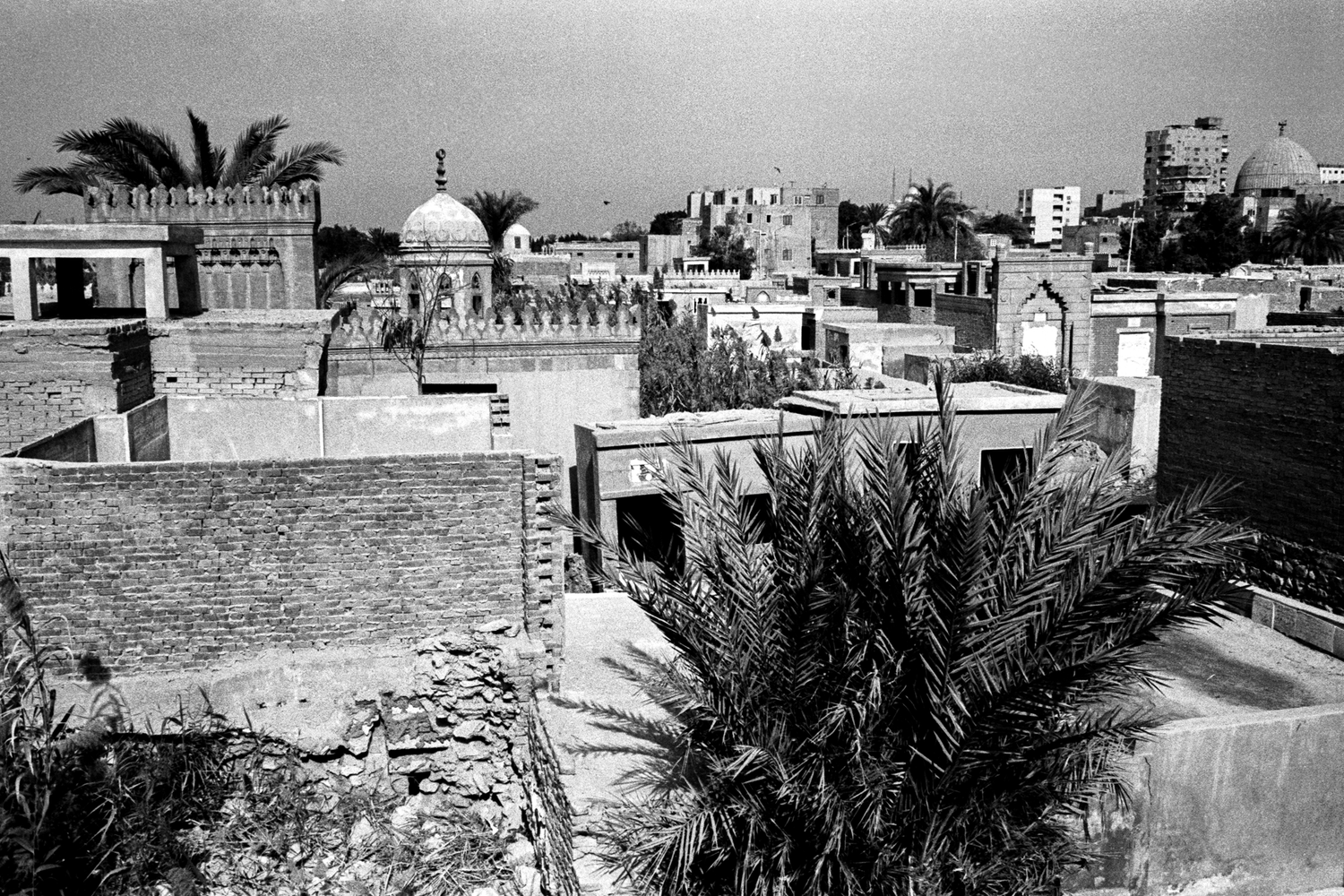
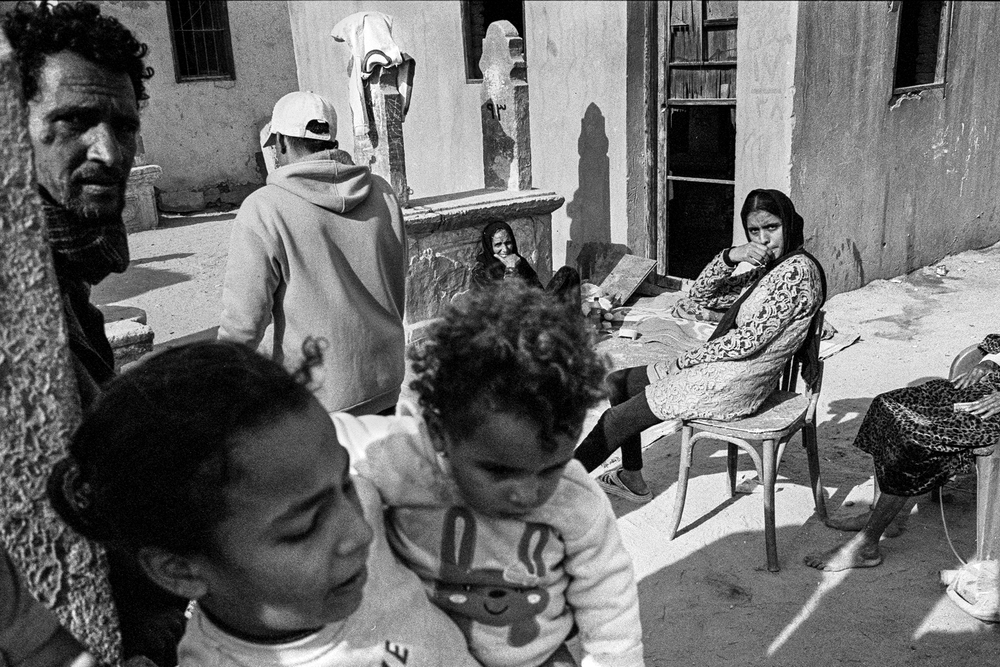
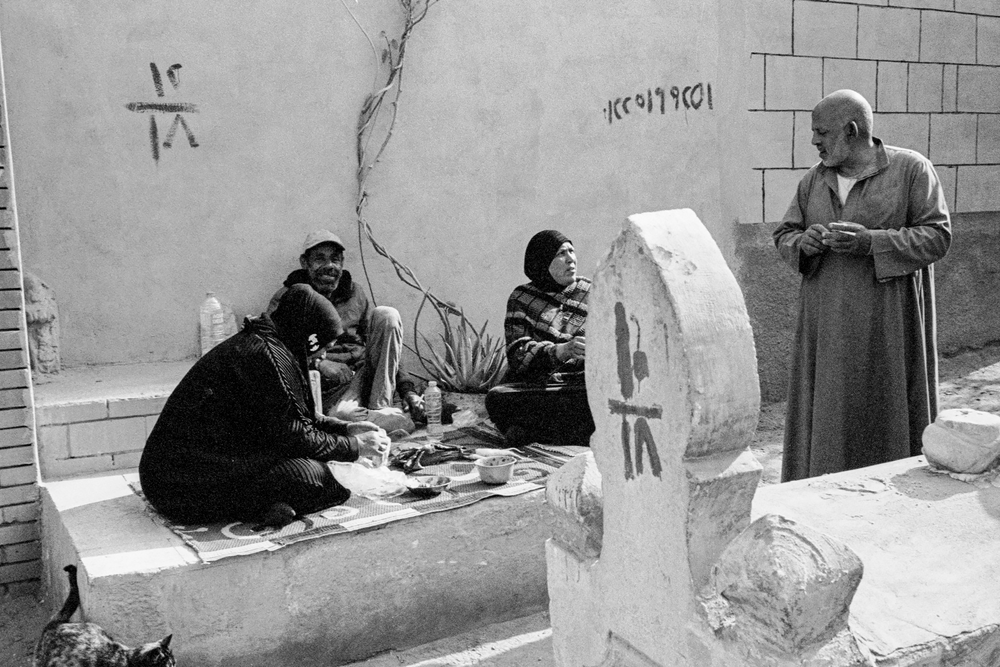
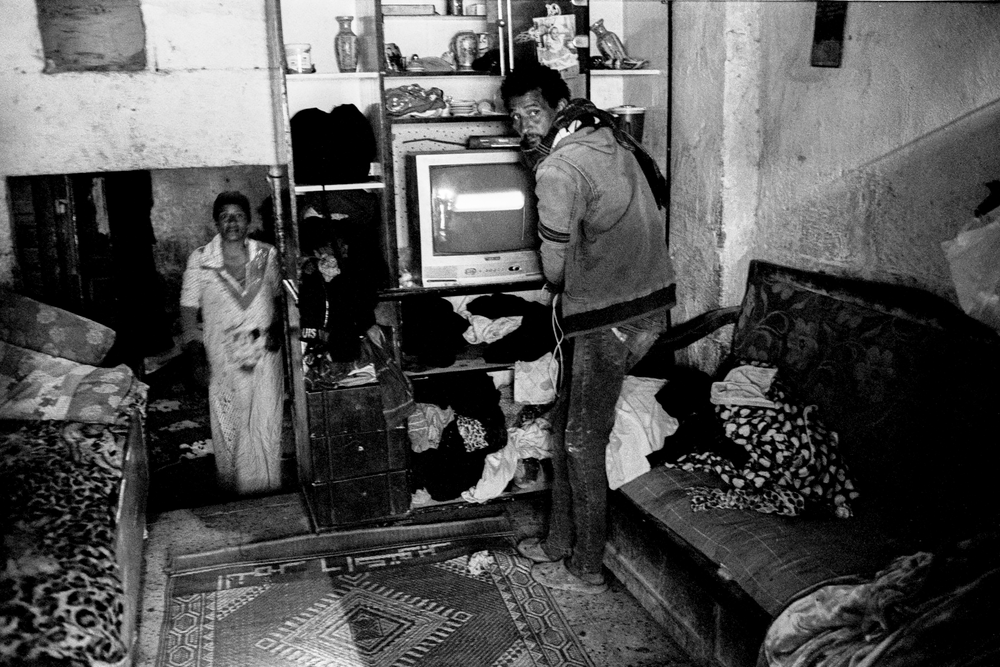
Amid Egypt's housing crisis and with the population of the capital now estimated at 20 million, thousands of people have no choice but to make the Necropolis their home. Northern Cemetery, Cairo
The City of the Dead, also known as the Cairo Necropolis or Qarafa stands of two Islamic-era cemeteries that dates back hundreds of years.
Throughout their history, these necropolises have been home to various living inhabitants, not just the deceased. These included workers with professions related to the cemeteries, such as gravediggers and tomb custodians, religious scholars studying in complexes built by sultans and wealthy patrons, and the residents of small urban settlements and villages nearby. The population fluctuated over time depending on the circumstances of different eras. Starting in the late 19th century and escalating in the 20th century, Cairo’s rapid urbanization and housing shortage led to a significant rise in the number of people living within the necropolis areas. It is estimated that between 500,000 and one million people now reside in these vast cemeteries.
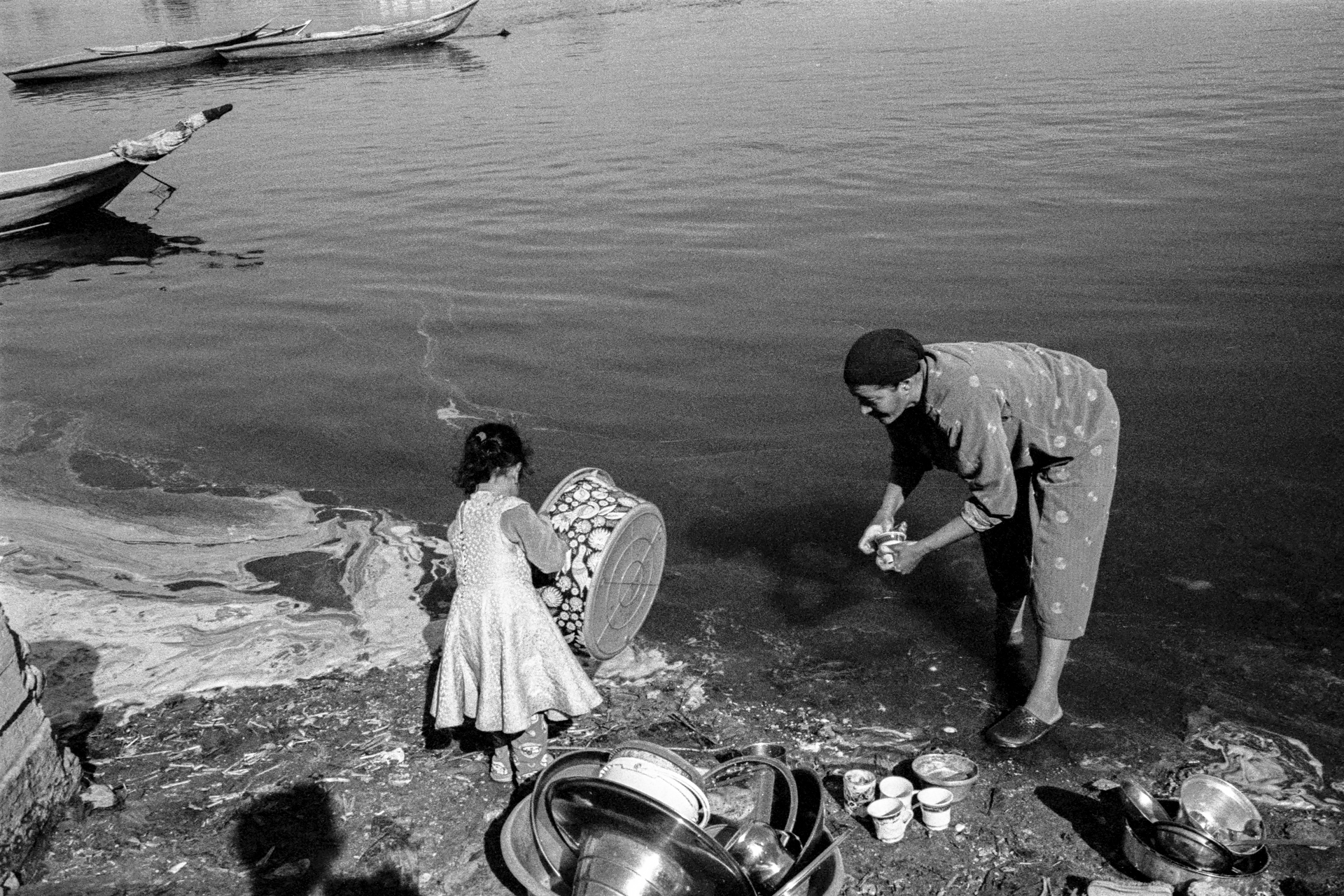
A woman and her daughter wash the dishes in the Nile near Al Ikhsas, Giza Governorate
The Nile River, winding its way from southern Egypt to the Mediterranean, has long been the country's lifeline. It is, however, becoming a source of death and disease.
Pollution is transforming the Nile, which supplies Egypt with nearly all its water, into a hazard. Each year, approximately 4.5 million tons of pollutants, including untreated or partially treated industrial waste, agricultural runoff, and sewage, are dumped into the river. Nearly half of Egypt’s population consumes water that is either contaminated or unsuitable for human use, according to a recent report by the Egyptian Organisation for Human Rights.
The Nile serves countless purposes for Egyptians. In addition to providing drinking water and irrigating farmland, it is used for bathing, washing clothes, cleaning dishes, disposing of waste, and even discarding dead animals. In some areas of the Nile Delta, canals have effectively become rubbish dumps, where villagers from nearby communities throw their unwanted items.
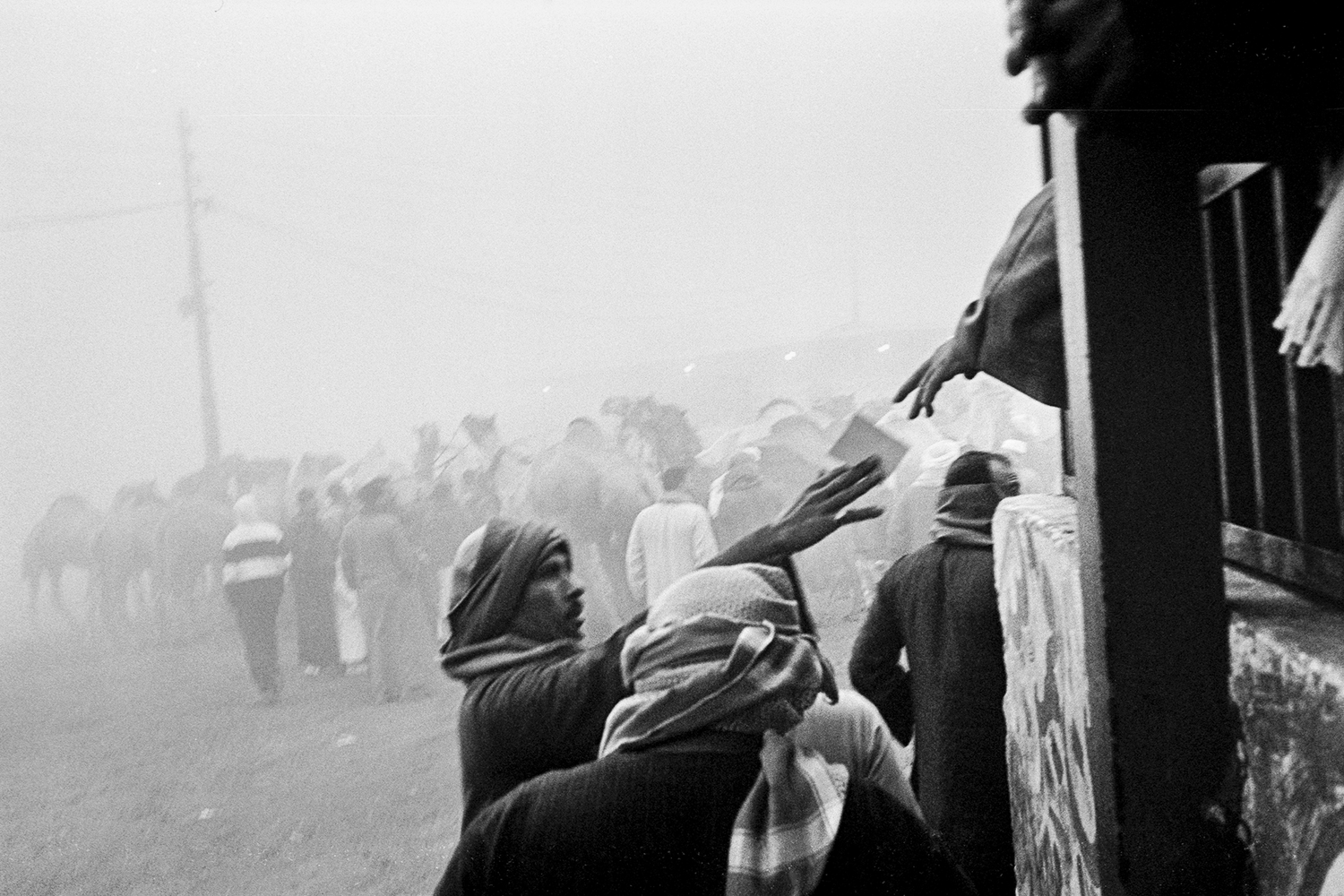
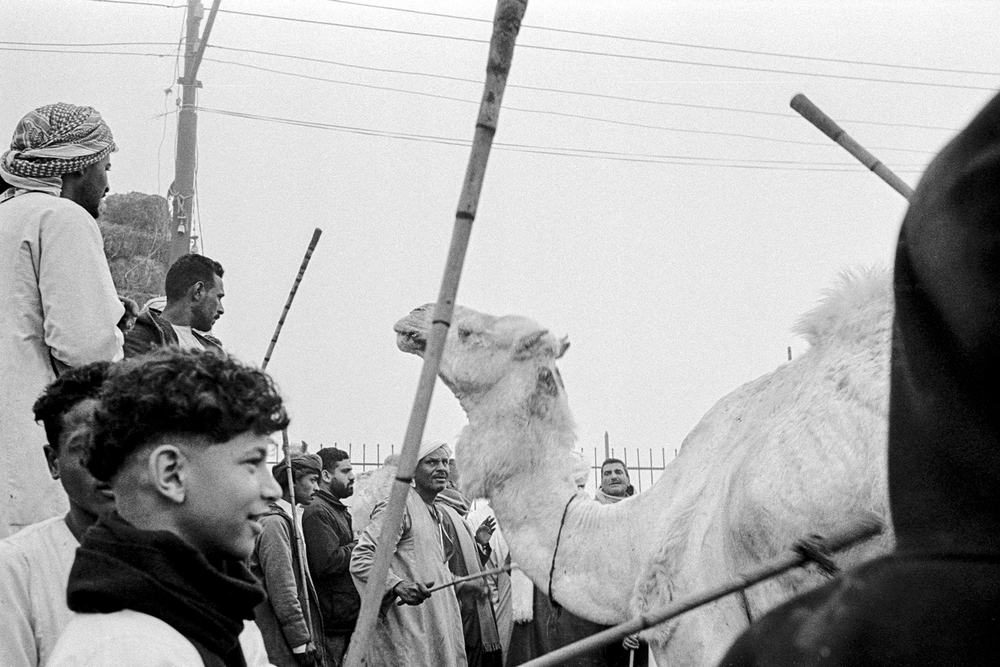
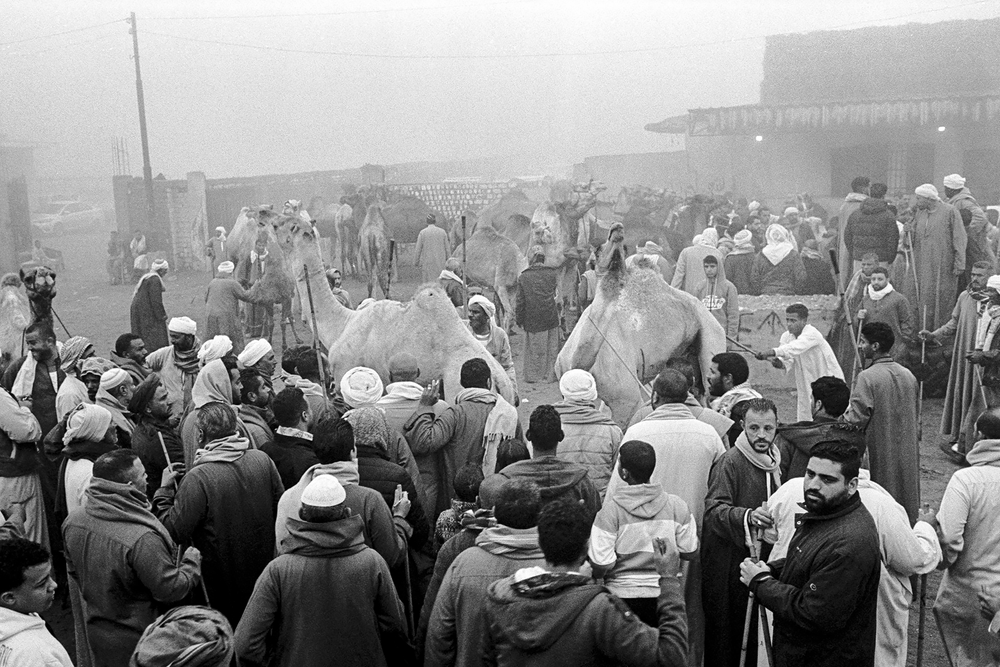
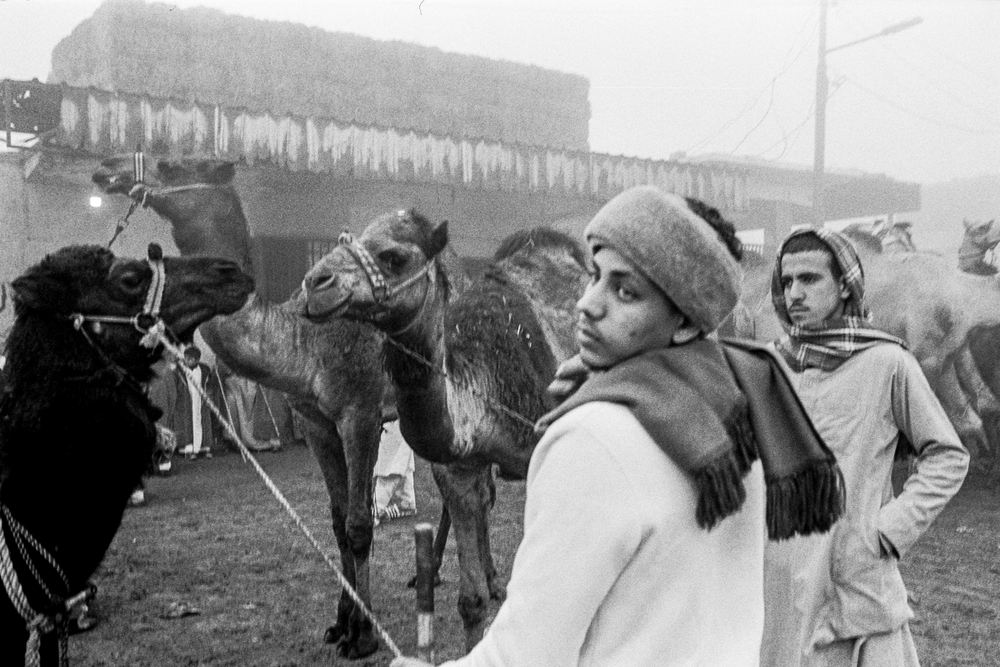
The camel market in Birqash, also known as the Souq al-Gamaal, is one of the largest and most renowned camel markets in the country and the region. Located approximately 35 kilometers northwest of Cairo, it is a bustling marketplace that attracts traders, buyers, and visitors from across Egypt and neighboring countries. Birqash, Giza Governorate
Camel trading in Birqash has a long history that dates back centuries. Camels sold at the market are often brought from countries such as Sudan, Somalia, and Ethiopia, continuing a trade network that has existed since ancient times. Historically, camels were indispensable for trade caravans and transportation in the arid deserts, linking Egypt to the rest of Africa and the Middle East.
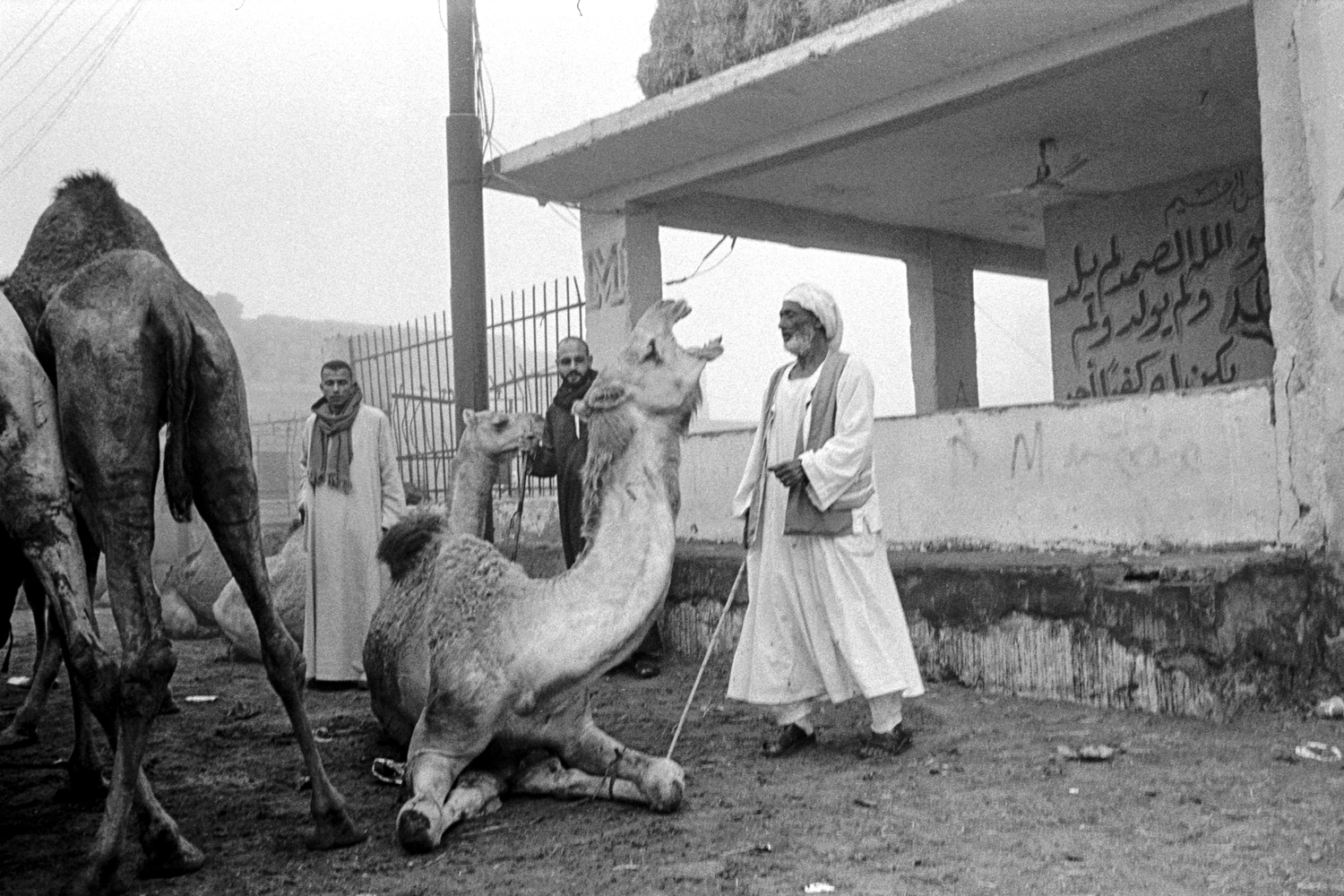
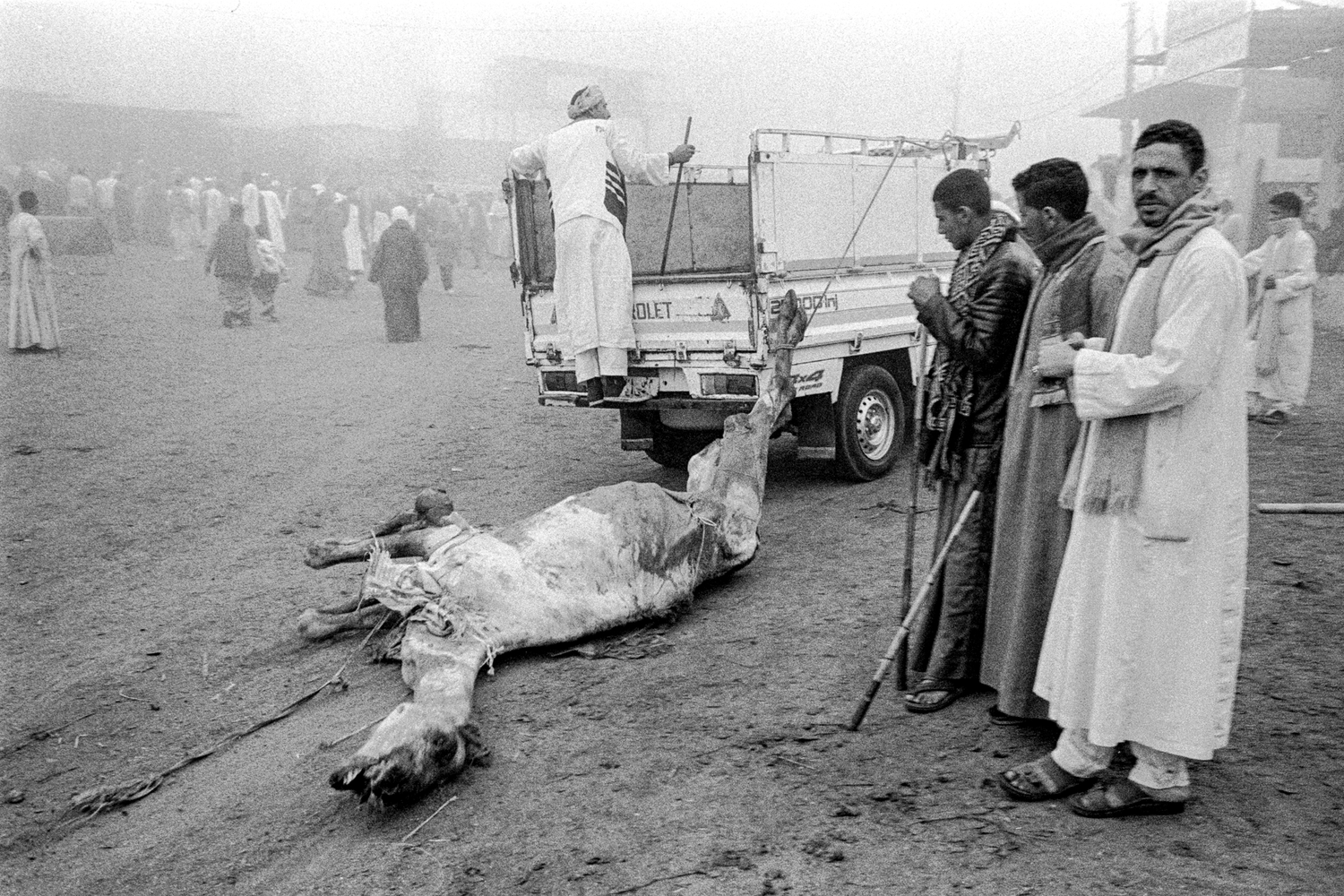
The conditions in which camels are transported, handled, and kept at the market are often harsh, sometimes even fatal. Birqash, Giza Governorate
The market is more than just a place of business; it is a cultural institution that represents the deep-rooted traditions of camel herding and trading. For many traders, camels are not only a source of livelihood but also symbols of heritage and resilience. The lively atmosphere of the market, filled with the sounds of bargaining, traders inspecting camels, and herders showcasing their animals, offers a glimpse into a way of life that has remained largely unchanged for generations.
Although the market's historical and cultural significance is evident, it has faced criticism over animal welfare issues. Many camels endure long journeys in cramped trucks without adequate food or water, arriving at the market visibly stressed and fatigued. Once at the market, they are frequently tied or hobbled in ways that can cause discomfort or injury.
Efforts to improve animal welfare at the market have been limited, though awareness is slowly growing. Advocates emphasize the importance of implementing humane treatment practices and ensuring that traders and herders are educated on animal welfare standards.
Camels sold at Birqash are used for various purposes, reflecting their versatility and value. Some are purchased for their meat, which is considered a delicacy in certain parts of Egypt. Others are used for transportation, particularly in rural or desert areas where camels remain the most reliable means of travel. Additionally, camels are sought after for agricultural work, such as plowing and carrying heavy loads. In more tourist-oriented regions of Egypt, camels are used for desert safaris and rides near iconic landmarks like the pyramids, offering visitors an authentic experience of traditional Egyptian culture.